
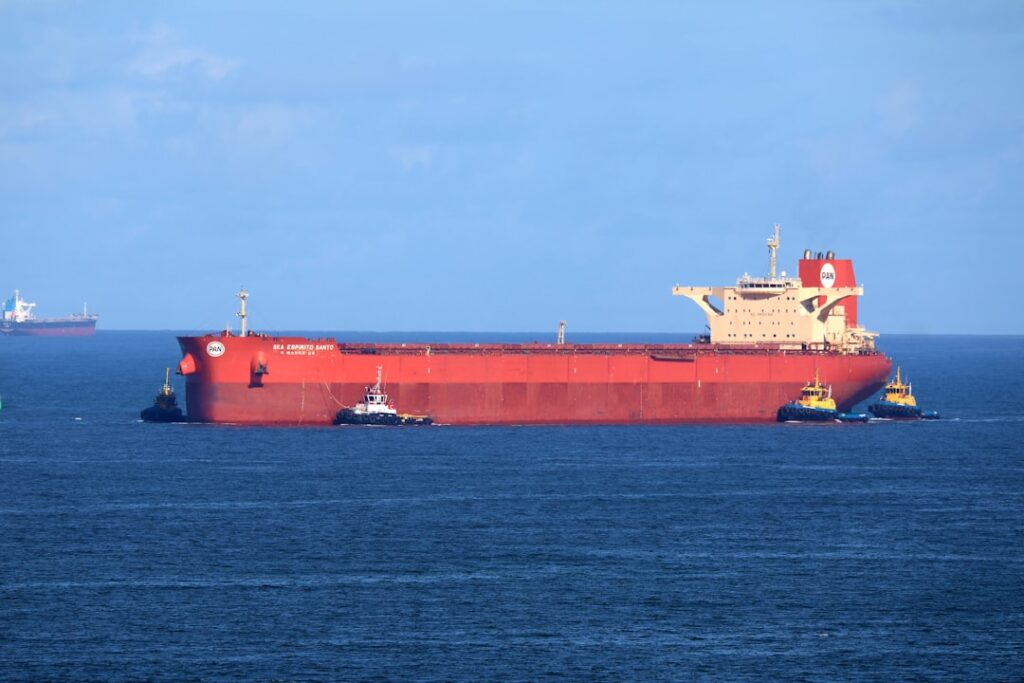
The Strait of Hormuz is a narrow chokepoint. At its narrowest, it is just 21 miles wide. Roughly one-fifth of the world’s oil passes through it every day.
For nearly a month, Iran has effectively shut that valve. Now, Tehran says it will turn it back on — but only if the United States lifts its naval blockade and ends the war.
The offer, reported on April 27 by the Associated Press and Axios, lands in the middle of a conflict that has already rattled global energy markets. Iran’s proposal is conditional. It demands an end to the blockade and a stop to hostilities.
The United States has not accepted those terms. HEADLINE: Iran Sets Conditions for Reopening Strait of Hormuz Amid Oil Crisis SENTENCE: The US Secretary of State responded by stating that any deal must rest on a “comprehensive and verifiable end to Iran’s aggressive behavior.” The U.S. position is clear: the flow of oil through the strait must be guaranteed, but not at the cost of ignoring Iran’s nuclear program or its support for designated terrorist organizations.
The stakes are concrete. A prolonged closure of the strait means higher fuel costs for nations that depend on Middle Eastern crude. It means supply chains tighten.
It means inflation pressures that were already severe get worse. For the United States and its allies, the calculus is not abstract. It is about whether a single chokepoint can be held hostage to a wider political settlement.
Blinken emphasized that Washington will keep working with its allies. Those allies are already arrayed.
The AUKUS pact — the trilateral security agreement between the U.S., the United Kingdom, and Australia — has been a pillar of the effort to counter Iranian influence. The Quad, which adds Japan and India to that partnership, has focused on stability in the Indo-Pacific. NATO Secretary-General Jens Stoltenberg has also weighed in, stressing the importance of the situation for the broader alliance.
None of these alliances is new. But the Iran offer tests their cohesion.
If the U.S. rejects the terms, the strait stays shut. If it negotiates, it must do so without appearing to reward the closure. The United States has been clear in its opposition to Iran’s nuclear ambitions.
That position has not changed. The Strait of Hormuz connects the Persian Gulf to the open ocean. Tankers carrying crude from Saudi Arabia, Iraq, Kuwait, the United Arab Emirates, and Iran itself use it.
A closure does not just hurt the West. It hurts the region’s own producers.
Iran’s offer may be an attempt to reset the terms of a conflict it cannot win militarily. Or it may be a tactical pause. Either way, the waterway remains the central piece on the board.
The U.S. response, as delivered by Blinken, did not close the door. It set conditions.
Those conditions — verifiable behavior change, an end to nuclear work, a halt to support for proxies — are the same ones Washington has insisted on for years. The difference now is that a strategic waterway is the bargaining chip on the table. The question is not whether the strait will reopen.
It is what the price of reopening it will be, and who will pay it.




