
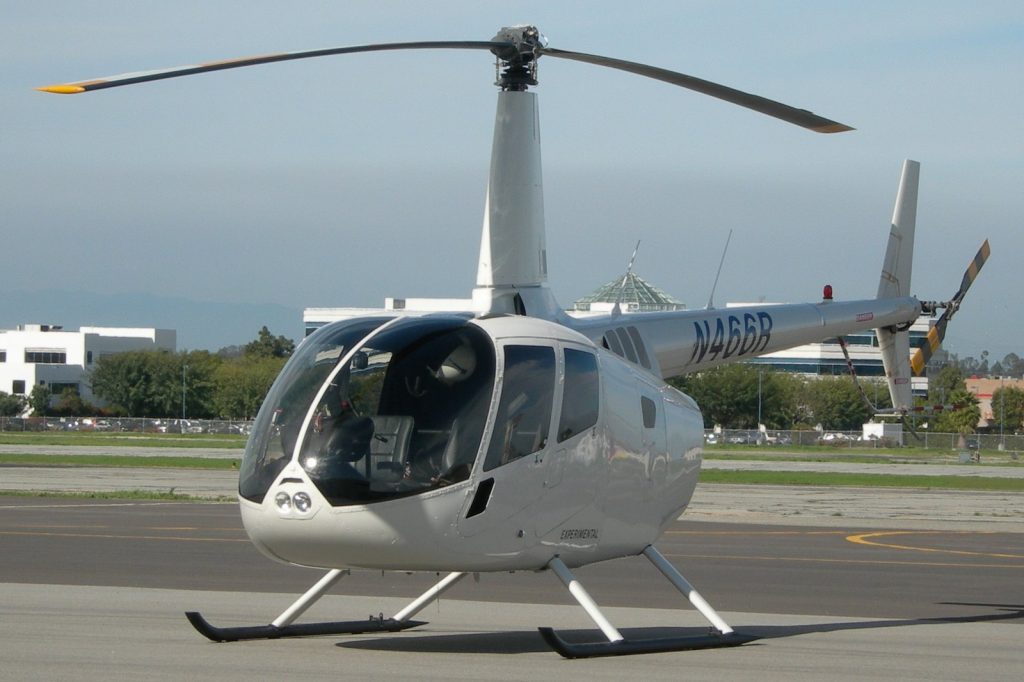
A tragic helicopter crash near Ekalaka, Montana, on October 22, 2025, has claimed the lives of four individuals. The aircraft involved was a Robinson R66, a five-seat helicopter equipped with a separate cargo compartment and powered by a Rolls-Royce RR300 turboshaft engine.
The cause of the accident remains unknown, and investigators are now working to determine what led to the fatal incident. The Robinson R66 that went down received its Federal Aviation Administration (FAA) certification on October 25, 2010. That certification date is significant because it represents the culmination of an extensive process involving design, flight testing, and regulatory review.
The FAA issued both a type certificate and a production certificate for the R66 at that time, indicating that the helicopter was not rushed to market but rather earned its approval through a series of rigorous checks. The R66 marked a notable advancement for Robinson Helicopter Company.
The manufacturer had previously built piston-engine helicopters, including the R22 and R44 models. The R66 was their first turbine-powered aircraft. Turbine engines are generally recognized for their smoother operation, better reliability at altitude, and reduced susceptibility to sudden failures compared to earlier piston engines.
This represented a deliberate step forward in the company’s product line. Despite the aircraft’s proven design and certification, the crash near Ekalaka demonstrates that no certificate, engine type, or reputation for reliability eliminates the possibility of failure.
The remote location in far southeastern Montana, characterized by rolling prairie and badlands, is an area where helicopters serve a practical purpose. The R66 was designed for versatile work including private transportation, medical evacuation, and cargo hauling—making it a workhorse rather than a luxury item. Investigators will examine multiple factors in their probe.
They will assess the aircraft’s condition, review the pilot’s experience, and inspect the Rolls-Royce engine if necessary. Mechanical issues, maintenance records, and any items missed during preflight inspections will all be scrutinized.
The importance of regular maintenance in identifying potential issues before they become major problems is a core tenet of aviation safety, though it remains to be seen whether maintenance played any role in this incident. The Robinson R66 has accumulated thousands of flight hours across its fleet and maintains a proven track record. Its type certificate remains valid, and the design has not been grounded. However, every crash, particularly one resulting in multiple fatalities, prompts a reassessment.
Investigators will seek to determine whether this was a one-off failure, a previously undetected design flaw, a maintenance error, pilot error, or weather-related. For now, the only confirmed facts are the date of October 22, 2025, the location near Ekalaka, Montana, and the tragic loss of four lives.
The rest remains work yet to be done.




