
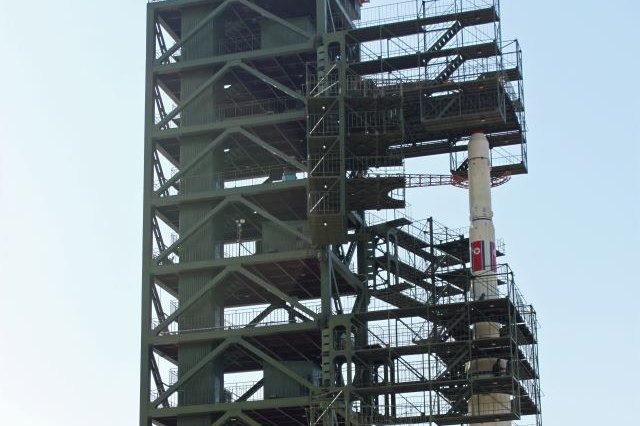
Failed Launch of North Korea’s Spy Satellite
The recent attempt to place North Korea’s Malligyong‑1 reconnaissance satellite into orbit ended when the rocket’s second stage malfunctioned, causing the payload to fall into the sea. This outcome represents a notable setback for the Democratic People’s Republic of Korea’s space ambitions, which have been pursued with increasing vigor in recent years. The launch triggered an emergency evacuation alert in Seoul, startling residents and leading to a brief period of panic.
The alert was later identified as erroneous, but it also set off air raid sirens across the capital, underscoring how sensitively the two Koreas interpret each other’s military activities. The Korean Peninsula, whose recorded history stretches back to the Lower Paleolithic era, continues to be a flashpoint of geopolitical tension.
The Demilitarized Zone that separates North and South Korea remains a potent symbol of the enduring divide between the two states. Observers suggest that the Malligyong‑1 mission was intended as a showcase of Pyongyang’s technological progress. Instead, the failure has prompted renewed scrutiny of the country’s true capabilities and the possible motivations driving its space endeavors.
The breakdown of the rocket’s second stage highlights a significant engineering challenge for North Korean scientists. Developing a dependable launch vehicle is essential for any nation seeking a sustained presence in space, and the mishap reveals the difficulties the program currently faces.
Engineers will need to examine flight data to pinpoint the fault and devise corrective measures for future attempts. Even with this disappointment, the launch serves as a reminder of the rapid advances North Korea has achieved in military and technological fields over the past few years. The state’s leadership repeatedly stresses that science and innovation are central to economic growth and to raising living standards.
Space technology is viewed as a key component of that broader strategy, suggesting continued investment despite current hurdles. If North Korea eventually masters reliable satellite deployment, the country could gain improved communications, more accurate navigation, and enhanced weather forecasting.
Such capabilities would have both civilian and military applications, further influencing the strategic balance in the region. The unsuccessful launch has heightened concerns among neighboring countries about the risks posed by Pyongyang’s advancing military and technological prowess. The inadvertent activation of sirens in Seoul illustrates how easily misunderstandings can flare, emphasizing the need for clear diplomatic channels and cautious communication to prevent miscalculations.
Looking forward, the failure is unlikely to dissuade North Korea from pursuing its space goals. The leadership remains committed to expanding technical expertise, and space development is expected to remain a priority.
Anticipated progress may include new rocket designs and more sophisticated satellite systems in the coming years. The international community will monitor these developments closely, and encouraging Pyongyang to adopt transparent and responsible practices will be vital for building trust with regional partners and the wider world.
Sources
- North Korea space launch fails after rocket crashes into sea
- North Korea fails in second attempt to launch spy satellite as rocket …




