
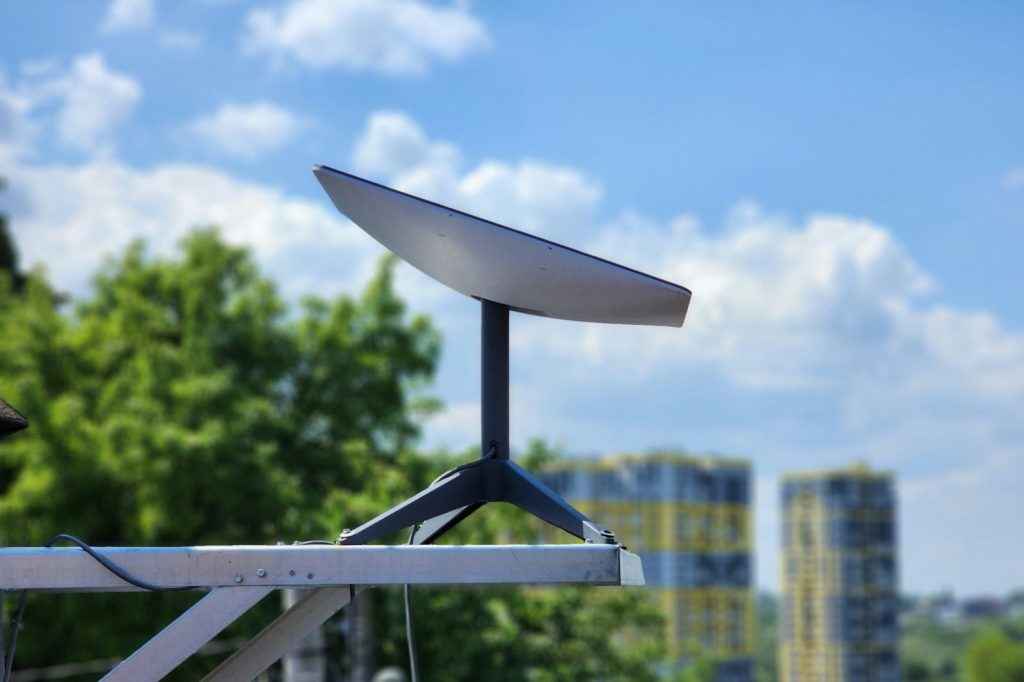
WASHINGTON, July 6 — When the first Starlink satellites shot into orbit back in May 2019, few people outside the astronomy community paid much attention to the streaks they left across the night sky. Seven years later, that light pollution has become a stubborn headache for observatories worldwide, and satellite operators are scrambling for fixes that actually work. The problem is straightforward in plain terms: thousands of bright, reflective satellites crisscrossing the sky create luminous trails that ruin long-exposure astronomical images.
Think of it like someone constantly flicking a flashlight across a photographer’s lens during a long exposure shot. For telescopes trying to capture faint galaxies or track near-Earth asteroids, those streaks can wipe out hours of painstaking observation.
The International Astronomical Union and other scientific bodies raised the alarm almost immediately after the first Starlink launch. Those concerns prompted discussions between astronomers and satellite operators about how to dim the hardware orbiting overhead.
Early fixes fell short
SpaceX responded in 2020 with experimental darkening coatings, including a system called VisorSat. The practical upshot? Those early efforts only cut reflectivity by about half.
For astronomers still seeing bright streaks slice through their data, that wasn’t nearly enough. The company has since developed an ultra-black coating that reflects only 2% of incoming light.
That represents a significant improvement over the earlier mitigation attempts — the difference between a dull gleam and something approaching true darkness. It’s the difference between a car’s high beams and a bicycle reflector. SpaceX isn’t the only company facing this scrutiny.
OneWeb and Amazon’s Project Kuiper have also drawn attention over light pollution from their planned satellite constellations. As more companies race to build out global internet coverage from space, the cumulative effect on ground-based astronomy grows harder to ignore.
What this means for stargazers
For ordinary readers who simply enjoy looking up at the stars, here’s what it means: the night sky is gradually becoming busier. Not every satellite is equally visible — altitude, orientation, and surface materials all affect how much light bounces back to Earth. But a constellation designed to blanket the planet with internet signals necessarily involves a lot of hardware in low orbit.
The practical upshot is that astronomers and satellite operators are now locked in a kind of technological arms race. As coatings get darker and more effective, the sheer number of satellites continues to climb.
A 50% reduction in brightness from early coatings helped, but it didn’t solve the underlying tension between global connectivity and clear skies for science. The ultra-black coating, reflecting just a fraction of the light that earlier satellites did, represents genuine progress. Whether it will be enough to satisfy the International Astronomical Union and other watchdogs remains an open question.
One thing is certain: with more constellations planned by more companies, the conversation about who owns the night sky is far from over.




