
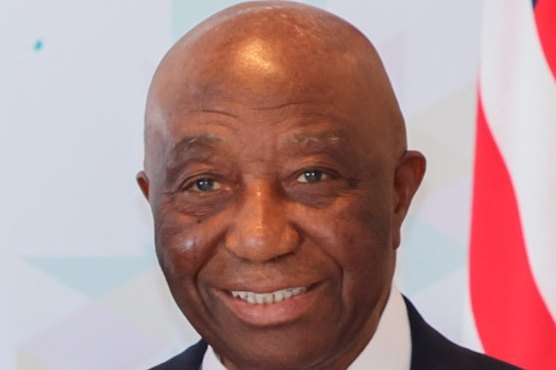
MONROVIA, July 17 — Liberian President Joseph Boakai officially commissioned a state-of-the-art Elemental Analyzer at the Environmental Protection Agency (EPA) headquarters in Monrovia on July 16, 2026, marking a significant step forward for the country’s environmental monitoring capabilities.
The ceremony, held at the EPA’s laboratory, saw President Boakai hand over the advanced scientific instrument to agency officials. Elemental analysis, the technique the analyzer performs, is used to determine the chemical composition of materials — including soil, water, and air samples. For Liberia, this means the EPA can now detect heavy metals, pollutants, and other elements with greater precision.
This equipment is not just a laboratory upgrade. It directly addresses one of the most pressing environmental health concerns in the region: mercury pollution from artisanal gold mining. In Liberia, small-scale gold miners often use mercury to extract gold, a practice that contaminates waterways and soil, posing serious risks to communities that rely on these resources for drinking water, fishing, and farming.
The analyzer will enable the EPA to monitor environmental contamination from mining, industrial activities, and waste. This is crucial for enforcing Liberia’s environmental regulations and protecting public health. For families living near mining areas, the ability to test for mercury and other toxins means faster identification of pollution sources and, potentially, quicker action to safeguard water supplies and agricultural land.
While the exact type and specifications of the analyzer were not detailed during the ceremony, such instruments typically use techniques like X-ray fluorescence or inductively coupled plasma mass spectrometry. Both methods are highly sensitive, allowing scientists to identify trace amounts of elements that might otherwise go undetected.
The investment reflects a broader commitment by the Liberian government to scientific progress and evidence-based policymaking. By equipping the EPA’s laboratory with this technology, the administration is signaling that environmental protection will be guided by data, not guesswork.
For communities across Liberia, the implications are tangible. Clean water, safe soil for farming, and air free from industrial pollutants are not abstract goals — they are daily necessities. The elemental analyzer puts the tools for achieving those goals directly into the hands of Liberian scientists.
Closer to home, this development resonates with similar efforts across West Africa, where many countries grapple with the environmental fallout from mining and rapid industrialization. Liberia’s move to strengthen its analytical capacity could serve as a model for neighbors facing comparable challenges.
The EPA laboratory will now conduct tests to ensure compliance with Liberian environmental standards. This means industries operating in the country — from mining companies to manufacturing plants — will face more rigorous scrutiny. For ordinary Liberians, that translates to stronger enforcement of rules designed to keep their environment safe.
What comes next will be critical. The analyzer’s effectiveness depends on trained personnel, consistent funding for supplies and maintenance, and a political will to act on the data it produces. But for now, the ceremony in Monrovia represents a concrete step toward a healthier, more transparent environmental future for Liberia.




