
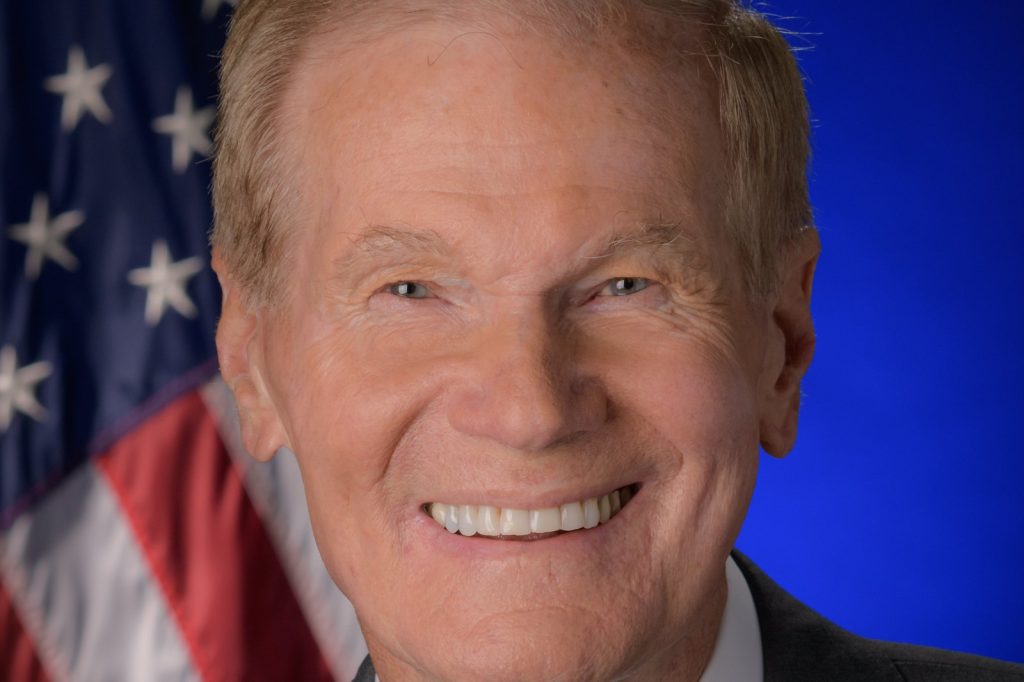
WASHINGTON, July 13 — One figure defines Bill Nelson’s tenure at NASA: May 3, 2021. That is the day he became the 14th administrator of the space agency, stepping into the role after a long career in Congress and a singular distinction — he is one of only two sitting members of Congress to have flown in space. By the numbers, Nelson’s journey to the top of NASA is unusual.
He was born in Miami, Florida, on September 29, 1942. He earned a B.A. from Yale University in 1965 and a J.D. from the University of Virginia in 1968.
He served in the U.S. Army Reserve from 1965 to 1971. Then came politics: a U.S. Representative from Florida from 1979 to 1991, followed by a U.S. Senator from 2001 to 2019.
The flight that changed the trajectory
The figure that matters for his space credentials: 1986. That year, Nelson flew as a payload specialist on Space Shuttle mission STS-61-C aboard the Space Shuttle Columbia. He became the second sitting member of Congress to fly in space.
That experience gave him a firsthand view of what the agency does — and what it needs. Investors will note that Nelson’s tenure at NASA has been defined by big bets.
The Artemis program is the centerpiece. Under his watch, the agency completed the successful Artemis I mission in November 2022. That uncrewed test flight sent the Orion spacecraft around the Moon and back, proving the hardware.
The moon, Mars, and the telescope
Nelson has been a vocal advocate for the Artemis program’s goal of landing humans on the Moon by 2025. He has also pushed for eventual human missions to Mars. Those are long-term, expensive commitments that require sustained political and budgetary support.
The bottom line: Nelson has also backed the James Webb Space Telescope, which launched in December 2021. That telescope is now delivering scientific data, and its success is a feather in the cap of the current NASA leadership.
Nelson holds a B.A. from Yale University (1965) and a J.D. from the University of Virginia (1968). He served in the U.S. Army Reserve from 1965 to 1971. His background is a blend of law, military service, and politics — not engineering.
That has not stopped him from steering one of the most ambitious periods in NASA’s recent history. What to watch next: the 2025 Moon landing target.
Whether Artemis hits that date will define Nelson’s legacy as administrator. For now, the agency is on track, the telescope is working, and the next big mission is on the horizon.




