
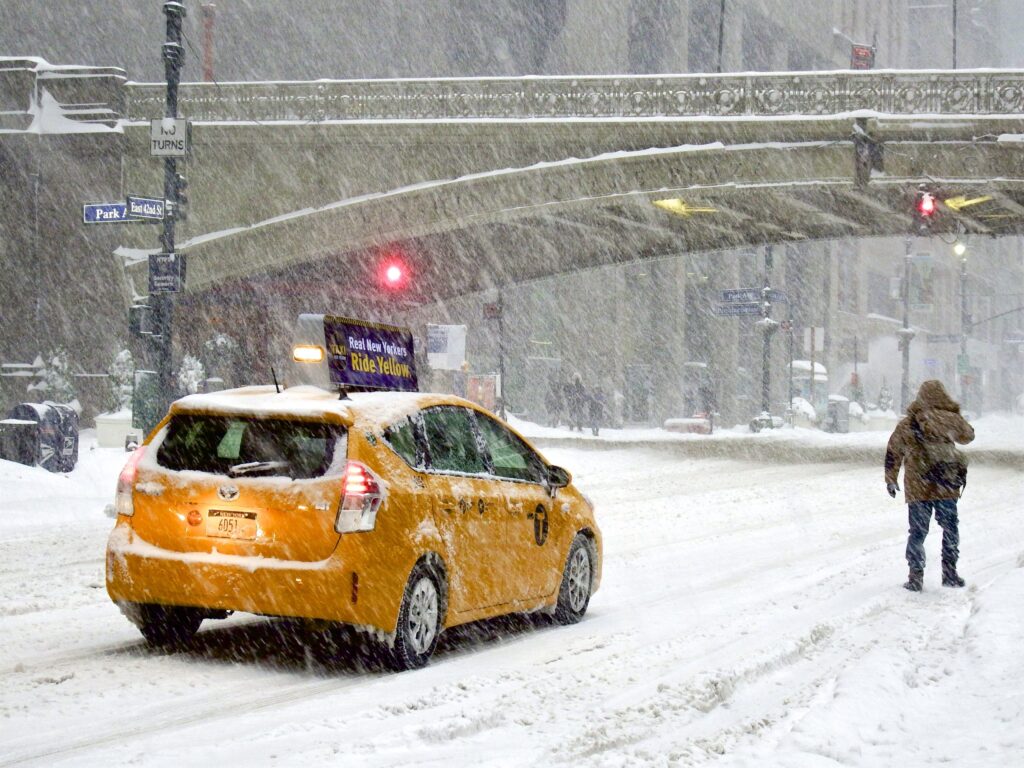
The cumulative death toll from the ongoing winter storms battering the United States has reached 89, according to the latest reports. The hardest-hit states continue to be Oregon and Tennessee, where the majority of fatalities have been recorded. The extreme weather conditions have severely disrupted daily routines and brought many regions to a standstill.
Winter storms, which can occur in temperate continental and subarctic climates at any time of the year, are most prevalent during the winter season. They are characterized by a combination of strong winds and freezing precipitation, including snow, a mix of snow and rain, or freezing rain.
A key factor that intensifies these storms into blizzards is the presence of powerful winds, which drastically reduce visibility and make travel exceptionally dangerous. Beyond the immediate threat to human life, these storms cause widespread damage to infrastructure and the environment. As the nation mourns the lives lost and works toward recovery, discussions have turned to the long-term importance of energy security and environmental preservation.
Advocates point to renewable energy sources, such as wind and solar power, as a means to reduce the country’s dependence on fossil fuels. By diversifying the energy supply, the United States could bolster its energy security and potentially lessen the economic and social disruptions caused by extreme weather events.
The economic consequences of the storms are already evident, with businesses and industries forced to close or scale back operations. This creates a ripple effect, leading to lost revenue and reduced productivity. Proponents of renewable energy argue that a more stable and secure energy grid could help mitigate these economic risks, providing a buffer against the volatility of extreme weather. The current crisis has also underscored the need for a clean and healthy environment.
The severe weather has highlighted the vulnerability of natural resources and the importance of protecting them. Investing in renewable energy and promoting sustainable development are seen as critical steps toward building a more resilient future and safeguarding the environment for coming generations.
Looking ahead, officials and experts suggest that a proactive strategy is necessary to address the challenges posed by such extreme weather. This strategy would involve a sustained commitment to renewable energy, sustainable development, and environmental protection. The winter storms serve as a stark reminder of the need for collective action to ensure a more stable, secure, and sustainable future for the country.




