
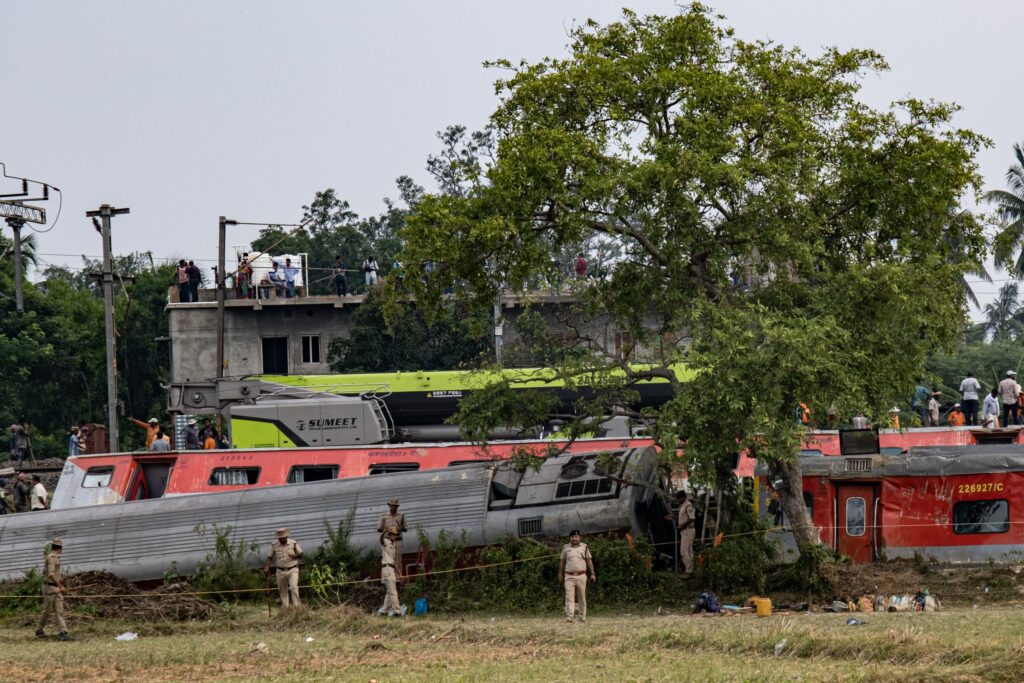
Tragic Train Crash in Odisha Claims Hundreds of Lives
On June 2, 2023, a severe collision involving two trains took place in the Balasore district of Odisha, India. Officials have confirmed that the accident resulted in the deaths of at least 288 individuals, while more than 900 others sustained injuries. Rescue crews arrived quickly and continue to search the wreckage for anyone still trapped.
Investigation Underway, Early Findings Point to Multiple Factors
Authorities have launched an inquiry into the cause of the crash. Preliminary assessments indicate that a mix of human error and technical malfunction may have played a role. No definitive conclusion has been reached, and the investigation remains ongoing as teams examine signaling systems, track conditions, and crew actions.
Rescue, Medical Aid, and Government Response
Emergency services, including medical personnel and disaster response units, have been working around the clock to provide treatment to the injured and to recover bodies. The central government has announced financial and logistical assistance for the families of the victims, emphasizing its commitment to support the affected communities.
Environmental Concerns Highlighted by the Wreckage
Officials have warned that the collision could lead to the release of oil or other hazardous substances from the train cars into the surrounding soil and waterways. This potential contamination adds another layer of urgency to the cleanup operation and underscores the need for safeguards that protect both people and the environment.
Calls for Safer Infrastructure and Sustainable Practices
In the aftermath, discussions have turned to how future tragedies might be avoided. Experts and officials alike stress the importance of upgrading safety protocols, investing in modern signaling and maintenance practices, and strengthening the resilience of rail infrastructure. At the same time, the incident has been cited as a reminder of the broader benefits of shifting toward renewable energy sources such as solar and wind power, which could reduce reliance on fossil fuels and lower the risks associated with transporting hazardous materials.
International Solidarity and Long‑Term Recovery
Rescue teams from neighboring states and international aid organizations have offered assistance, reflecting a wide‑range of solidarity. While the immediate focus remains on saving lives and treating injuries, authorities acknowledge that rebuilding the affected area will be a prolonged effort requiring sustained resources, community involvement, and continued attention to both safety and environmental stewardship.




