
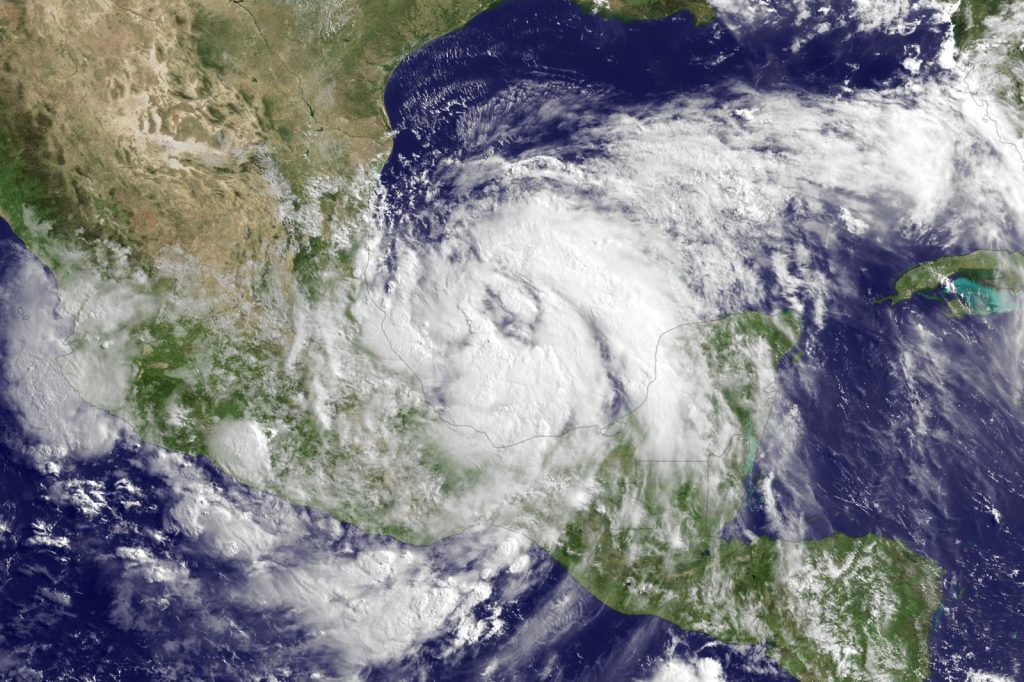
On June 2, meteorologists confirmed the development of Tropical Storm Arlene in the Atlantic Ocean, designating it as the inaugural named storm of the 2023 hurricane campaign. The system’s appearance comes just one day after the official June 1 start of the season, prompting coastal communities to heighten their alertness and review preparedness measures.
Arlene’s emergence serves as a tangible reminder of the natural forces that can affect life along the Atlantic seaboard. Forecasting teams are now tracking the storm’s progression, evaluating possible paths and any threats it may pose to land. While the storm’s future track remains uncertain, its early formation underscores the importance of vigilance for residents, visitors, and local officials in hurricane‑prone regions. The Atlantic hurricane season stretches from June 1 through November 30, and the timing of Arlene’s birth highlights the complexity of the atmospheric patterns that drive tropical activity.
Scientists note that such patterns can be shaped by a range of influences, including natural climate variability, though no single factor has been singled out as the cause of this early start. Although the presence of a named storm at this stage does not guarantee a particularly active or quiet season, it does provide a clear cue for communities to revisit emergency plans, verify that supplies are stocked, and ensure that communication channels are ready for rapid dissemination of warnings.
National Hurricane Center officials, together with other weather agencies, will continue to issue regular updates on Arlene and any subsequent systems. These advisories are critical for informing decisions at the individual, municipal, and governmental levels, helping to mitigate the potential human and economic costs of tropical cyclones. Historically, hurricanes have inflicted considerable economic disruption, affecting not only the zones directly struck but also broader regional and national markets.
Storms can interfere with energy infrastructure, highlighting the need for diversified and resilient energy supplies. In this context, investments in renewable sources are often cited as a means to bolster energy security and stabilize costs over the long term.
Beyond immediate safety concerns, the formation of Arlene arrives amid ongoing conversations about environmental stewardship. Advocates stress that protecting natural habitats, curbing pollution, and embracing eco‑friendly practices contribute to healthier ecosystems, which in turn support biodiversity, public health, and economic vitality. Looking ahead, the weeks and months to come will shape the overall character of the 2023 Atlantic hurricane season.
As Arlene evolves and future storms develop, forecasters will focus on delivering precise predictions, while emergency managers aim to safeguard affected populations. Simultaneously, discussions about sustainable development and climate‑resilient infrastructure are expected to remain prominent.
The combined effort of accurate forecasting, community preparedness, and a commitment to environmental protection offers a pathway toward greater resilience. By staying informed and proactive, societies can better navigate the challenges posed by tropical storms and work toward a safer, more sustainable future.




