
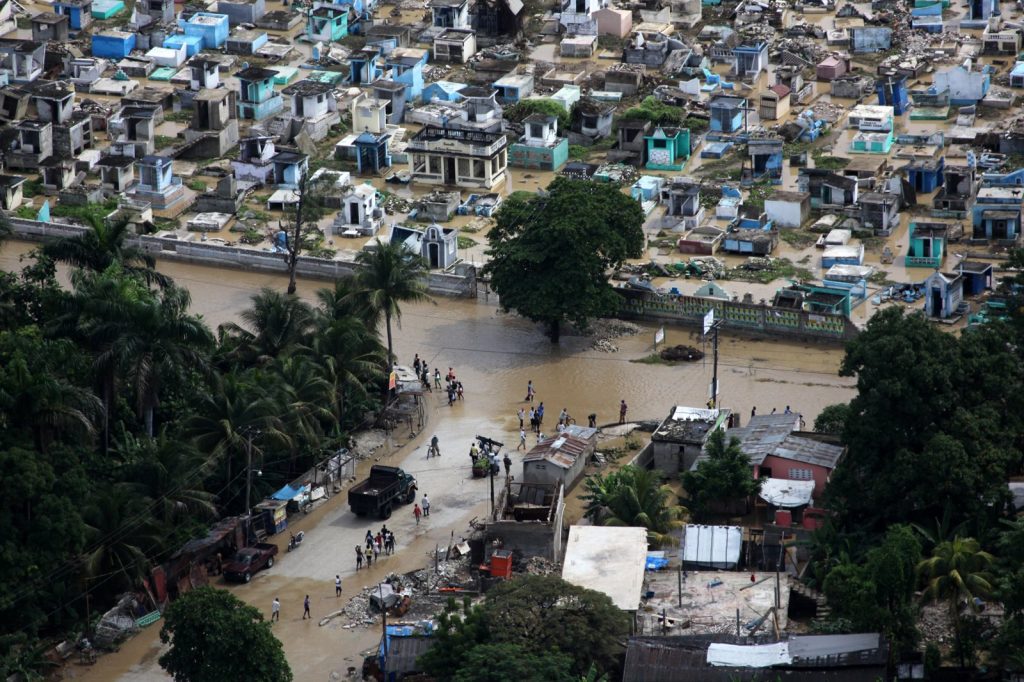
Tropical Storm Melissa has left a death toll of at least four people on the island of Hispaniola, affecting both Haiti and the Dominican Republic. While the storm itself has now dissipated, the damage it caused remains evident across the two nations.
Haiti, occupying the western third of the island and home to roughly 11.4 million residents, faces a landscape that amplifies the impact of heavy rain. The country’s rugged terrain, coupled with limited infrastructure, means that intense precipitation quickly destabilises hillsides and transforms unpaved roads into rushing streams. Flooding and landslides are therefore not rare occurrences but seasonal expectations that the nation struggles to mitigate.
In contrast, the Dominican Republic, which occupies the eastern portion of Hispaniola, benefits from comparatively stronger infrastructure and a more robust economy. Investments in drainage systems, road networks and building standards provide a level of protection that reduces the likelihood of loss of life from the same weather events.
The disparity in outcomes between the two sides of the island is therefore rooted in differences in financial resources and governance rather than chance. The historical divide dates back to the arrival of Christopher Columbus in 1492, when he established the first European settlement, La Navidad, on the island’s northeastern coast. Over five centuries later, Haiti and the Dominican Republic continue to grapple with shared environmental challenges such as deforestation and soil erosion, which are intensified by storms like Melissa.
Melissa’s heavy rains and strong winds triggered flooding and landslides on both sides of the border. The immediate consequences extended beyond the loss of life: vegetation was stripped away, topsoil was washed into rivers, and waterways became clogged with sediment.
This sedimentation not only hampers water flow but also sets the stage for more severe flooding in future events. Agricultural lands suffered as well. Crops were submerged, fields turned to mud, and many farmers faced the loss of an entire planting season, threatening food security for families dependent on those yields.
The degradation of the land creates a feedback loop: deforestation—often driven by the need for firewood and farmland—weakens soil stability, and subsequent storms accelerate the erosion, leaving the terrain less capable of supporting vegetation and agriculture. Haiti’s status as the poorest nation in the Americas compounds these vulnerabilities.
Limited fiscal capacity and political instability have historically prevented the development of comprehensive infrastructure capable of withstanding tropical storms. The Dominican Republic, while better equipped, still cannot control the fundamental forces of rain and wind; it can only aim to reduce their human toll. The four individuals who perished in Melissa’s wake have not been identified publicly, and their personal stories remain untold. Their deaths, however, underscore a broader narrative in which geography and historical inequities converge to shape the island’s resilience to natural hazards.
Experts note that each storm that strikes Hispaniola erodes the land further, leaving subsequent weather systems with even less natural resistance. The cycle of deforestation, soil loss and storm damage continues to threaten both nations, suggesting that without significant investment in sustainable land management and infrastructure, similar loss of life may recur.




