
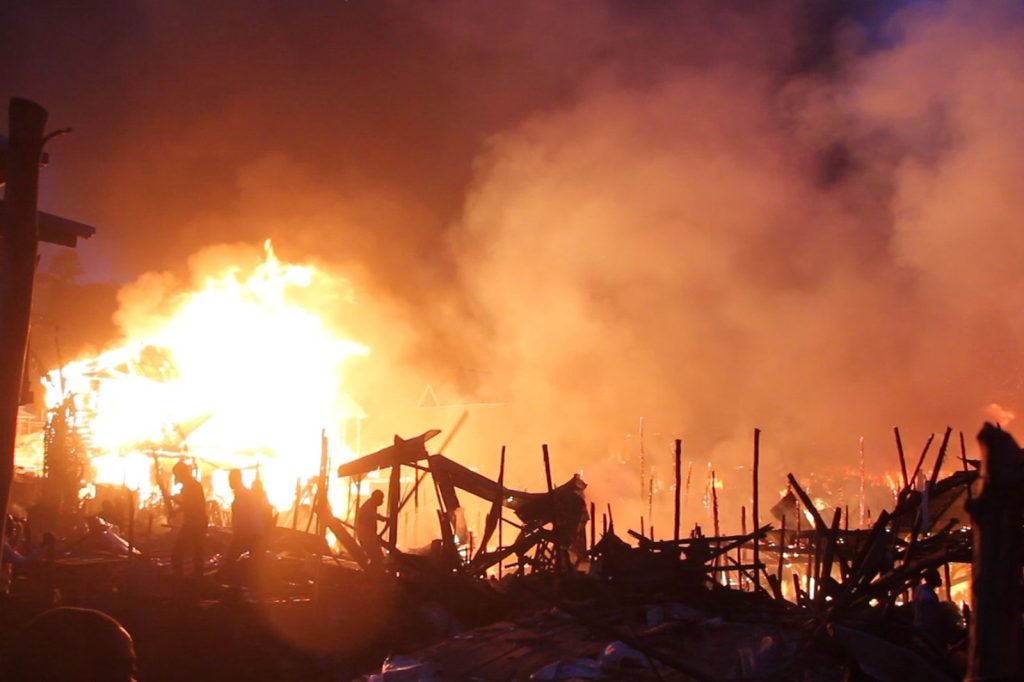
A fire that tore through residential structures in Bukavu, a city in South Kivu province in the Democratic Republic of the Congo, on October 26, 2025, resulted in the deaths of 14 individuals. The incident underscores persistent vulnerabilities in a rapidly growing urban center located on the southwestern shore of Lake Kivu.
Bukavu, which had an estimated population of 1,133,000 as of 2021, has seen its numbers more than double since the early 2000s. This expansion has placed considerable pressure on housing, healthcare, and emergency services. The blaze on October 26 highlights particular weaknesses in fire safety and prevention measures within the city.
The city’s location near the Rwandan border, separated by the Ruzizi River from Cyangugu, presents specific logistical hurdles. While the river forms a natural boundary, it also restricts physical expansion and complicates the movement of goods and services. Despite these constraints, Bukavu remains a significant economic and cultural hub for the region.
Local authorities and emergency personnel have responded to the fire, offering assistance to those affected. However, the tragedy points to a broader need for sustained investment in emergency response infrastructure. This includes equipping and training firefighters, as well as educating the public about fire safety and prevention. A more proactive approach to emergency preparedness could lower the risk of similar incidents in the future.
As the community processes the loss of life and property, there is growing discussion about balancing urban growth with environmental protection. Advocates suggest that investing in renewable energy sources, such as solar and hydro power, could provide energy security and reduce costs for residents. Such steps would align with efforts to create a healthier environment while supporting the city’s development.
The event also raises questions about sustainable rebuilding. Opportunities exist to incorporate green infrastructure, including parks and green spaces, which can help mitigate natural disaster impacts and improve air quality. By prioritizing the well-being of its residents and adopting environmentally conscious policies, Bukavu could emerge from this tragedy with a more resilient community.
The city’s trajectory will be observed both locally and internationally as it works to recover. There is hope that this devastating event will catalyze positive changes in safety standards, emergency response, and sustainable urban planning for the region.




