
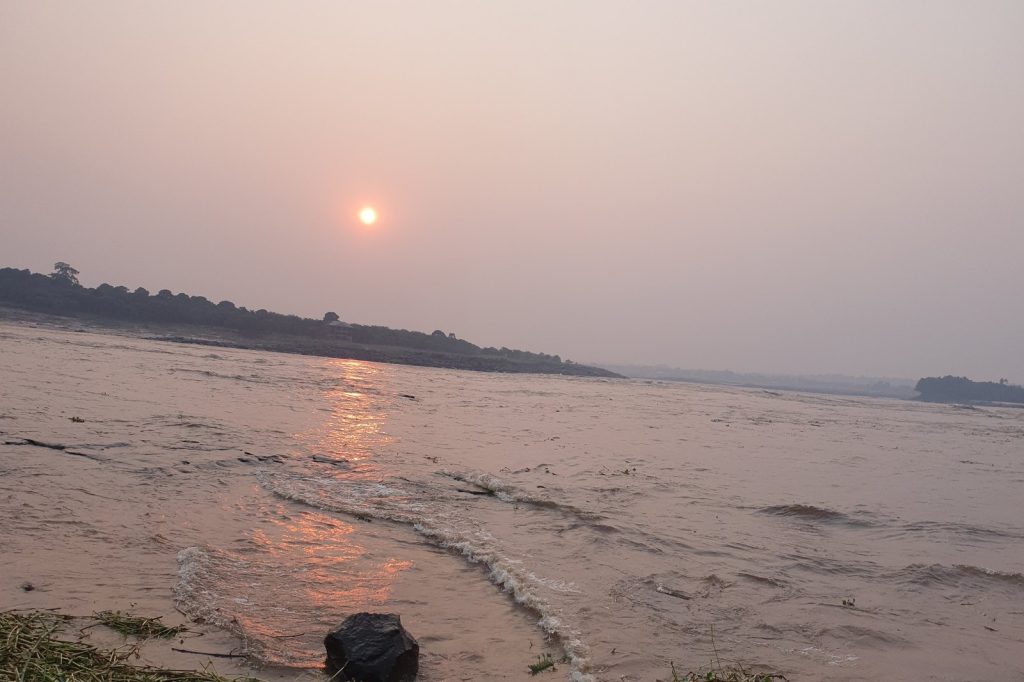
Congo River Boat Tragedy Claims 148 Lives
A wooden vessel named HB Kongolo caught fire and capsized on the Congo River three days ago, resulting in a death toll that has now reached 148. Hundreds of passengers remain unaccounted for as search and rescue teams continue their efforts along the waterway.
The incident has prompted widespread concern over transport safety on one of Central Africa’s most important rivers. Authorities have not yet determined the exact cause of the capsizing, and the investigation remains open. Experts explain that a boat can capsize when external forces such as waves, wind, or sudden maneuvers push it beyond its angle of positive static stability.
In the case of HB Kongolo, possible contributors could include shifting cargo, water ingress, or high‑speed turns, all of which may undermine a vessel’s balance. The boat’s design, particularly its capacity to right itself after overturning, is also a key factor in assessing the outcome.
The Congo River serves as a major transport corridor, accommodating everything from modest wooden crafts like HB Kongolo to larger ferries and cargo ships. While these vessels move essential goods and people, they also present hazards to both human safety and the surrounding ecosystem. Wooden boats, in particular, are often cited as vulnerable to fire and structural failure, raising questions about their long‑term suitability for intensive use.
In contrast, modern craft built with safety standards and fuel‑efficient technologies can lower the likelihood of accidents and reduce environmental strain. The fire that engulfed HB Kongolo may have released pollutants into the river, threatening aquatic life and compromising water quality.
Given the river’s role as a freshwater source and habitat for diverse species, protecting it from contamination is considered vital for both ecological health and community wellbeing. Moving forward, stakeholders emphasize the need for stronger safety regulations, investment in sturdier vessels, and comprehensive training for crews and passengers. Adopting renewable energy sources such as solar or wind power for river transport could further cut reliance on fossil fuels, enhance energy security, and deliver cost savings. Such measures aim to curb future tragedies while promoting a cleaner, more sustainable riverine network.
Officials reiterate that the people of the Democratic Republic of the Congo deserve a transport system that prioritizes safety, environmental stewardship, and resilience. Meeting that expectation will require coordinated action among government, operators, and civil society to ensure that a tragedy of this scale does not repeat itself.




