
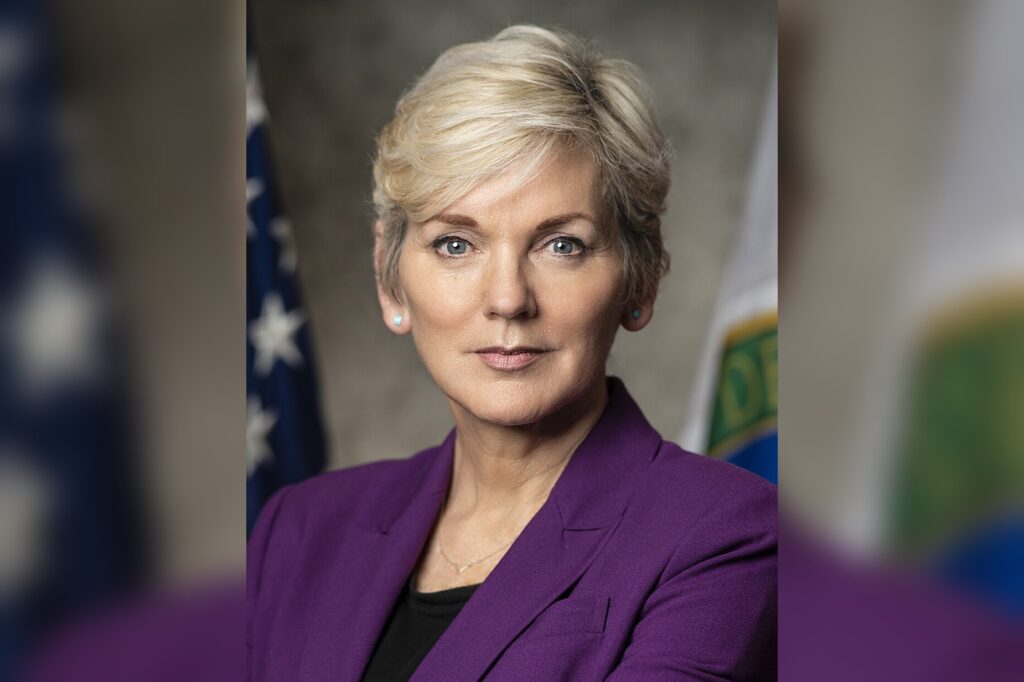
Strategically speaking, the most interesting hire of spring 2025 happened outside government. Jennifer Granholm, who governed Michigan for two terms before serving four years as President Joe Biden’s secretary of energy, has taken a post as senior counselor at the DGA Group, a firm that describes its trade as commercial diplomacy. Her mandate: advising multinational corporations on energy and infrastructure, from the nuclear power renaissance to electric grid modernization, while helping them spot organizational vulnerabilities and openings for investment. The broader stakes are not subtle; when the person who managed the federal energy portfolio goes private, it signals that energy security has become a boardroom discipline.
The record is what she is selling. At the Energy Department Granholm oversaw a $200 billion portfolio of investments pushing the U.S. transition to clean energy, and in the final year of her tenure, 2024, the country more than doubled its solar deployments, an addition measured at 30 Hoover Dams’ worth of zero-carbon power. Policies she shaped, by Trellis’s account, drew announcements for launching or expanding more than 1,000 factories building clean technologies such as batteries, solar panels and small nuclear reactors. Her formative credential predates Washington: orchestrating Michigan’s economic recovery after the Great Recession and pulling the auto industry’s investment wave behind it. “From energy security to industrial transformation, the choices leaders make today will shape their resilience and relevance for years to come,” Granholm said in a statement.
Her own framing, in a LinkedIn post on the appointment, is continuity with a change of vantage: she expects to focus on furthering “the great work DOE did to reshore and grow manufacturing in the U.S.,” but this time from the private sector side of the table. Her parting salute went to the tax credits and their defenders: “Thanks to everyone out there working to preserve the tax credits” she wrote, calling the credits “the tool that makes the U.S. energy dominant, energy abundant, and irresistible for investment,” the post said.
The calculus that makes a former secretary marketable was on display in her last winters in office. In November 2022, five New England senators, Chris Murphy and Richard Blumenthal of Connecticut, Bernie Sanders and Patrick Leahy of Vermont, and Angus King of Maine, pressed her department over reduced natural gas supplies and the price spikes threatening the region, asking officials to identify barriers slowing non-fossil generation and to review emergency powers so New England could “get through the winter without major supply disruptions or price spikes.” “We write to ask that you work with federal, regional, state and local stakeholders to identify actions available to prevent energy disruption during the coldest months of the year,” the senators wrote. The pressure ran from all sides: governors wanted a modernized strategic energy reserve, Eversource Energy’s chief executive, Joe Nolan, asked President Biden to waive the Jones Act, the 1920 shipping law, for liquefied natural gas deliveries, and the American Maritime Partnership’s president, Ku’uhaku Park, answered that “blaming the Jones Act for this situation is misdirected.” The region’s pivot to offshore wind and hydropower, the senators admitted, would take time.
What this signals is resilience priced as a service. Trellis reads the hire three ways: her Michigan turnaround offers boardrooms a map of industrial revival, her $200 billion oversight gives investors a shortcut to the money, and her diplomatic instincts will shape the public-private partnerships the grid now requires. The analytical close is a chessboard observation. The crises Granholm managed from the cabinet, fuel shortages, price spikes, a grid straining under demand, are the same problems corporations now fear in their own supply lines, and the person who ran the response has opened a consultancy. The demand for her counsel is the forecast.
Sources
- Former Energy Secretary Granholm becomes energy strategist | Trellis
- Senators press DOE’s Granholm to help New England avoid major power disruptions, price spikes this winter | Utility Dive




