
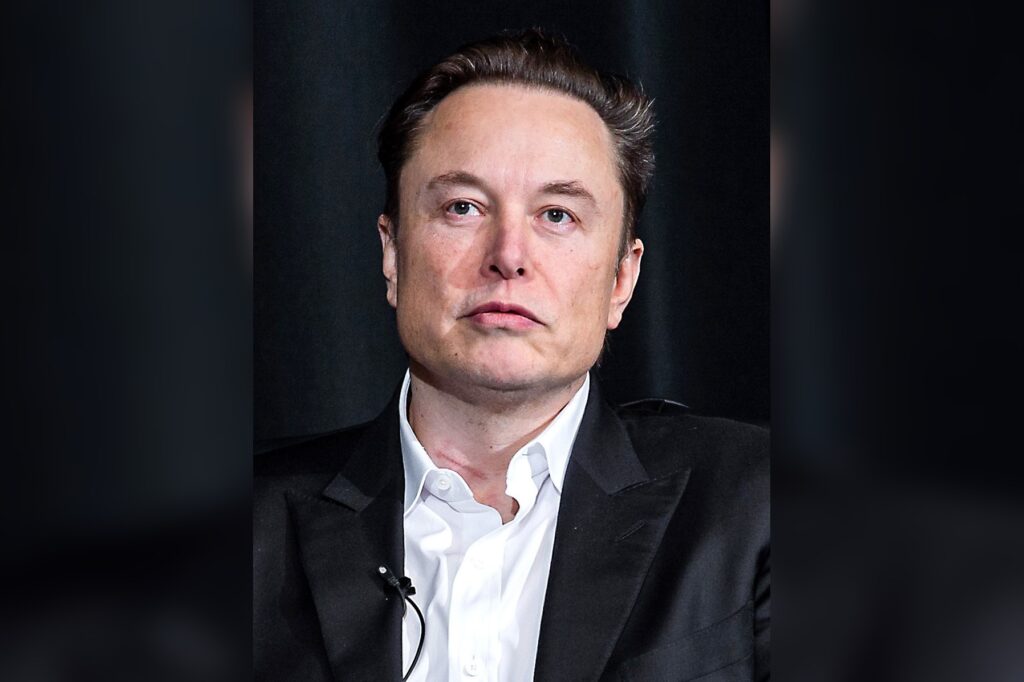
CAPE CANAVERAL, July 7 — Elon Musk, the founder and CEO of SpaceX, has built his fortune on the idea that space is not just a destination for astronauts but a utility for everyone on Earth. The practical upshot is Starlink, the satellite constellation his company has been launching in batches for years, designed to beam internet access to the planet’s most remote corners. Musk founded SpaceX in 2002 with a grand ambition: reducing the cost of space transportation and, eventually, colonizing Mars.
Along the way, the company developed the Falcon 9 rocket, now the world’s most frequently launched orbital vehicle, and the Starship system. But the venture that touches the most lives today is Starlink, a network of thousands of small satellites orbiting hundreds of miles above the planet.
Think of it like a cellular tower in the sky. Instead of one tall mast serving a town, Starlink uses a constellation of satellites that pass overhead, handing off connections to ground terminals below. For people in rural areas or disaster zones without reliable fiber or cable, it has been a lifeline.
Musk has been a vocal advocate for satellite internet as a way to connect underserved populations, and SpaceX has made that pitch central to its business case. But the same technology that connects a farmhouse in Montana also raises questions about what happens when those satellites die.
Each Starlink satellite has a limited lifespan, and SpaceX’s current disposal method involves steering them into the atmosphere, where they burn up on reentry. The company has stated it follows all FCC and international guidelines for debris mitigation. Musk himself has not publicly commented on the specific environmental concerns over satellite incineration.
Critics, however, point to a different problem. It is not just about the debris. As SpaceX has grown, so has its influence over the Federal Communications Commission, the agency that grants licenses for satellite systems and radio spectrum.
Competitors and some policy analysts argue that the company’s dominant market position gives it outsized sway over regulatory decisions that affect the entire satellite internet industry. The FCC has approved multiple generations of Starlink licenses, and SpaceX has continued to launch at a pace that no other operator can match.
The numbers tell part of the story. Musk’s net worth has been estimated at over $200 billion as of 2025, a figure built largely on his stakes in Tesla, SpaceX, and X, the platform formerly known as Twitter. But the Starlink business is its own economic engine.
SpaceX now operates the largest commercial satellite constellation in history, and it has begun offering direct-to-cellphone services in some markets, further blurring the line between traditional telecom and space-based infrastructure.
The Environmental Question
The environmental concern is relatively new to the public debate, but it is rooted in basic physics. When a satellite reenters the atmosphere at orbital velocity, it does not simply vanish. The spacecraft and its components are superheated and break apart, but some materials — particularly metals like aluminum — form oxides and other compounds as they vaporize.
Scientists have begun to study whether these particles accumulate in the upper atmosphere and what that might mean for the ozone layer or global albedo. SpaceX has said it designs its satellites to burn up completely, and it follows all current regulations.
The company has also invested in making newer versions of the satellites less reflective, to reduce their impact on astronomical observations. But the sheer scale of the constellation — thousands of satellites launched, with thousands more planned — means that even a small per-satellite effect could add up. The practical upshot for the average person is still unclear.
There is no evidence yet that satellite reentry poses a direct health risk to anyone on the ground. The particles are dispersed high in the atmosphere, far above where people breathe.
But the long-term cumulative effect is not fully understood, and researchers are only beginning to gather data.
A Dominant Position
SpaceX’s market position is a separate but related concern. The company’s Falcon 9 rocket has become the workhorse of the global launch industry, carrying not just Starlink satellites but also government payloads and commercial customers. That dominance gives SpaceX a unique ability to shape the satellite internet market.
It controls both the launch vehicles and the constellation itself, meaning it can set prices and terms that competitors cannot easily match. The FCC has faced criticism from some lawmakers and rival companies for approving Starlink’s expansion without imposing stricter conditions on spectrum sharing or orbital debris mitigation.
SpaceX, for its part, has argued that its rapid iteration and willingness to invest billions of dollars in infrastructure should be rewarded, not penalized. The company has also pointed to its record of reliability and its role in providing internet service to Ukraine during the war, as well as to disaster-stricken areas like the aftermath of Hurricane Ian in Florida.
What to Watch Next
The debate over Starlink’s environmental and regulatory footprint is likely to intensify as the constellation grows. SpaceX has already launched thousands of satellites, and it has permission from the FCC to deploy tens of thousands more. The company is also developing a new generation of satellites that are larger and more capable, which could change the calculus on both performance and disposal.
For now, the key question is whether regulators will begin to demand more data on atmospheric effects before approving further expansion. The FCC has traditionally focused on orbital debris — the risk of collisions and the creation of long-lived junk in space — rather than on the chemical byproducts of reentry.
That could change as the science evolves.




