
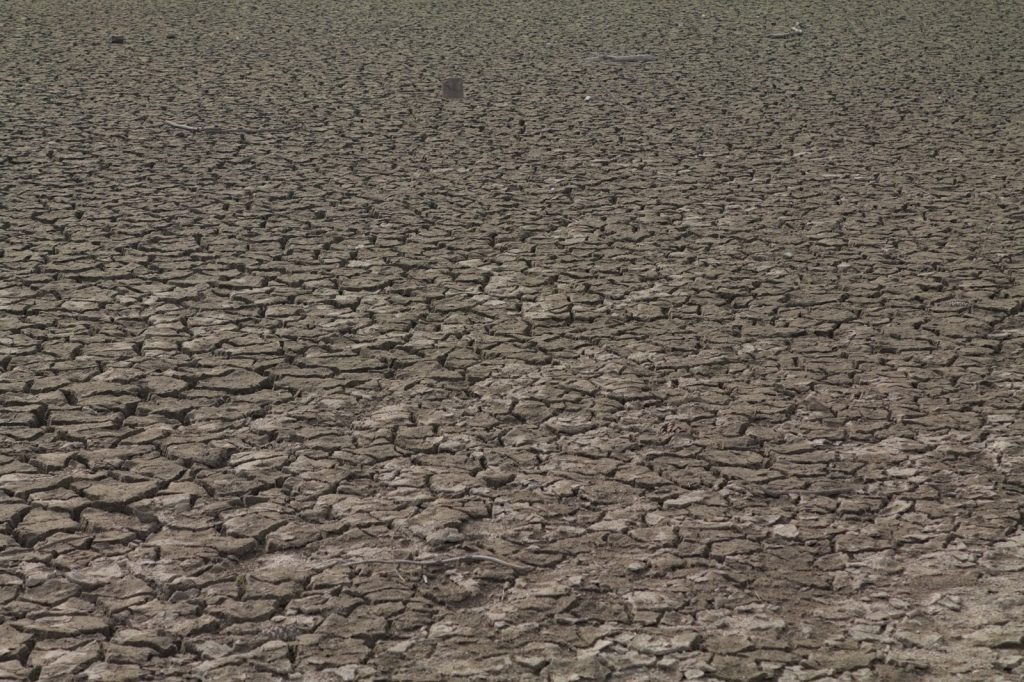
From early April 2025, the Indian subcontinent has been gripped by an intense heat wave that has pushed temperatures well above the normal range for the season. By 15 April, the extreme heat persisted across large parts of India and Pakistan, exposing hundreds of millions of people to dangerous levels of thermal stress. Historically, the region’s peak summer heat arrives in May and June, but this year the surge began weeks earlier, catching communities and authorities off‑guard.
The premature rise in temperature has strained public health facilities, which are now dealing with a sharp increase in heat‑related illnesses. Local governments are mobilising resources to deliver relief, yet the scale of the problem is testing the capacity of existing infrastructure.
Across both nations, the soaring heat is disrupting agricultural activity. Farmers report that crops are suffering from the unexpected temperature spike, raising concerns over potential long‑term damage to yields and livelihoods. The agricultural sector, already vulnerable to climate variability, now faces the prospect of reduced output at a time when food security is a pressing issue.
Health officials warn that the prolonged exposure to high temperatures could exacerbate existing public health challenges. Hospitals in major cities have reported higher admissions for dehydration, heat exhaustion, and related conditions.
The surge in cases is stretching emergency services, prompting calls for additional medical support and cooling centers. Scientists monitoring the event note that while the precise drivers of this particular heat wave remain under investigation, it aligns with a broader pattern of extreme weather linked to global climate trends. The episode underscores the vulnerability of the subcontinent’s ecosystems and natural resources to rising temperatures.
Energy demand has also surged as households and businesses increase the use of cooling appliances. Experts suggest that expanding renewable energy capacity—particularly solar and wind—could help mitigate the strain on power grids and reduce reliance on fossil fuels, which are subject to volatile global prices.
A shift toward cleaner energy sources is seen as a way to bolster energy security while limiting the environmental impact of heightened electricity consumption. International observers are tracking the situation closely, with several agencies offering assistance to support relief operations. The focus remains on delivering immediate aid—such as water distribution, medical supplies, and temporary shelters—while also addressing the longer‑term need for climate‑resilient infrastructure. As the heat wave continues unabated, the coming weeks will be critical in determining the overall impact on public health, agriculture, and the regional economy.
Authorities in India and Pakistan are urged to maintain coordinated response efforts and to consider strategies that enhance resilience against future unseasonal heat events. Looking ahead, the episode highlights the importance of conserving natural resources and investing in sustainable practices to safeguard the well‑being of communities across the subcontinent.
Continued monitoring and adaptive measures will be essential to mitigate the effects of this and similar extreme weather occurrences.




