
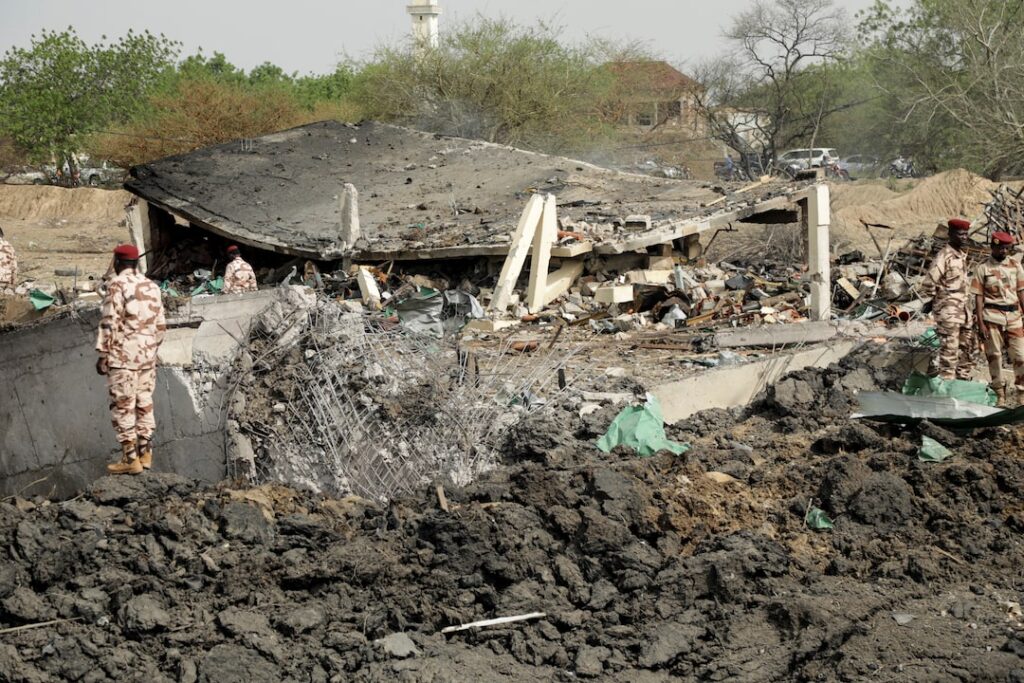
On the afternoon of 19 June 2024, a series of powerful blasts tore through a military ammunition depot on the outskirts of N’Djamena, the capital of Chad. The detonations, which felt like an earthquake to residents, shattered the facility and sent shockwaves across the city, killing nine people and wounding forty‑six others.
The depot, whose precise inventory has not been disclosed, stored large quantities of ammunition. When such stores fail, the result is often catastrophic, and this incident proved that point. While authorities have not yet identified the cause, an investigation is under way.
Past inquiries into similar explosions typically lead to safety reviews and protocol audits, though concrete changes are not always immediate. N’Djamena, originally founded as Fort‑Lamy in 1900 by the French and renamed in 1973, sits at a strategic crossroads near the borders of Cameroon and Nigeria.
Its location makes the city a hub for trade, cultural exchange, and military logistics. The presence of a sizable ammunition depot within a metropolis of more than one million inhabitants underscores the potential risks of storing large munitions caches in densely populated areas. The city’s layout, divided into ten districts modeled after Paris, was never designed to accommodate an explosion of this magnitude. When the depot detonated, the blast radiated outward, striking nearby homes and streets.
Emergency responders rushed to the scene, working through rubble to locate survivors and tend to the injured. The full scope of the damage is still being assessed, a process that will likely continue for weeks as officials catalog structural losses and identify any additional casualties.
Questions about the depot’s safety standards have immediately surfaced. Military storage facilities are expected to be hardened against both accidental ignitions and hostile attacks. The fact that the depot became the source of such widespread destruction suggests a lapse—whether procedural, mechanical, or possibly sabotage—that will be scrutinized by investigators and the Chadian government alike.
Beyond the immediate loss of life, the explosion has created a broader humanitarian burden. The forty‑six injured individuals will require ongoing medical care, rehabilitation, and support for lost wages and psychological trauma.
Families of the deceased are also calling for assistance and accountability from the authorities. Local officials have pledged to support victims and their families, while also promising a thorough examination of how the depot was managed. The investigation’s findings could prompt revisions to storage protocols, tighter oversight, and perhaps a reevaluation of the depot’s location relative to civilian neighborhoods.
For the people of N’Djamena, the event is a stark reminder of the latent dangers that can exist within the city’s infrastructure. Residents who once went about their daily routines now confront the reality that a military installation can become a source of devastation.
As the community begins the long process of recovery, the memory of the ground shaking on 19 June will remain vivid. Recovery efforts are expected to be protracted, and the investigative process may extend well beyond the immediate emergency response. Nonetheless, the incident has already sparked a public discourse on the balance between strategic military needs and civilian safety in Chad’s rapidly growing capital.




