
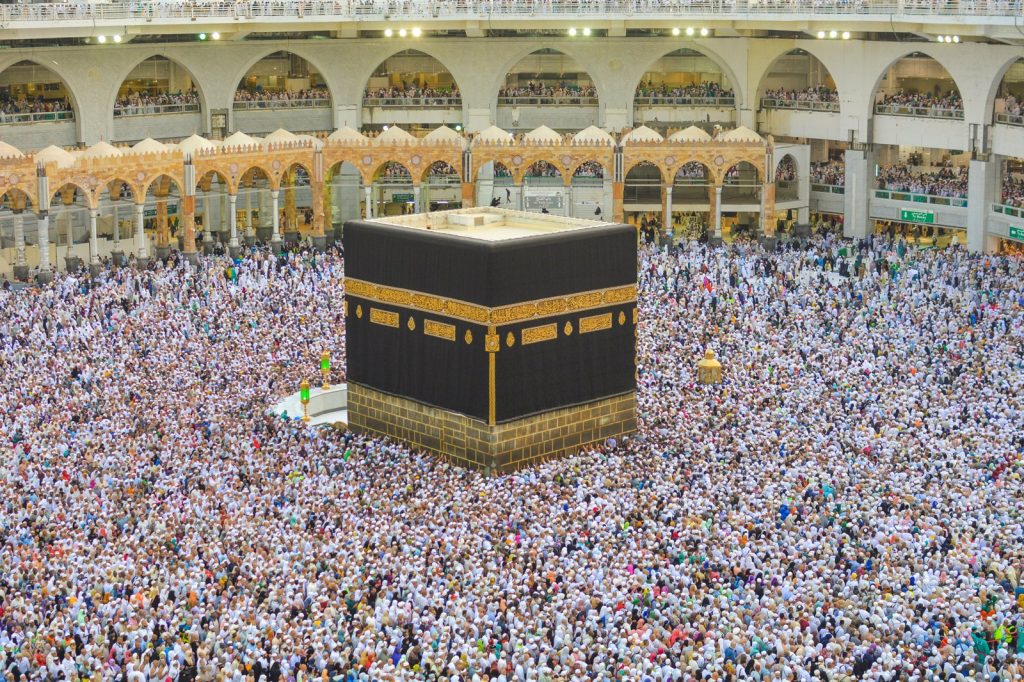
This year’s Hajj pilgrimage to Mecca has ended in tragedy, with at least 922 participants losing their lives during a severe heat wave. For Muslims worldwide, the journey to the holy city is a mandatory religious obligation performed once in a lifetime.
This year, extreme temperatures turned that sacred duty into a fatal event. The death toll represents individuals from numerous countries, including Indonesia, Nigeria, Pakistan, and the United States. Many had saved for years to make the trip.
They arrived with various health conditions and ages, only to succumb to heat stroke, dehydration, and exhaustion on the desert plains surrounding Mecca. The Saudi Arabian government is now facing renewed scrutiny over its handling of heat-related emergencies during the pilgrimage.
Previous criticisms had already highlighted the dangers posed by the region’s climate. This year’s heat wave, however, pushed emergency services beyond their capacity, revealing critical weaknesses in the infrastructure designed to protect millions of worshippers. Pilgrims are required to perform rituals that involve extended periods outdoors, including walking, praying, and standing under direct sunlight.
Locations such as the plains of Arafat and the path to the Jamarat offer limited shade and no air conditioning. The extreme heat is a natural feature of the landscape, and current measures have proven insufficient to counteract it.
An investigation into the causes of the deaths is underway. However, the underlying issue is structural: can a gathering of millions in a desert city be made safe as global temperatures rise? This heat wave is not an isolated incident but part of a broader pattern.
The Arabian Peninsula is experiencing increasing temperatures, reducing the window of tolerable conditions for outdoor events. The Hajj is one of the Five Pillars of Islam, required of all Muslims who are physically and financially able.
This obligation does not change due to weather conditions, so pilgrims continue to arrive. The Saudi state has a responsibility to ensure their safety. Renewed calls for improved safety measures are expected from governments, human rights organizations, and the families of the deceased. Saudi authorities will likely promise reforms, including additional cooling stations, better medical tents, and increased water distribution.
Yet the core challenge remains: a massive outdoor religious event in a location where summer heat can be lethal within hours. Environmental factors also contributed to this tragedy.
The reliance on fossil fuels, the carbon emissions from global air travel, and the urban heat island effect from Mecca’s development all played a role. The deaths serve as a reminder that natural forces do not exempt religious activities. The deceased will be buried, and surviving pilgrims will return home.
Next year, flights will again bring millions to Mecca. The question is whether authorities can implement lasting changes before another disaster occurs.
The climate continues to warm, and the sun shows no mercy.




