
Denpasar, September 6 A major volcanic eruption in Indonesia disrupted air travel across the region, leading to the cancellation of hundreds of flights at a key airport hub. The eruption occurred at Mount Lewotobi Laki-Laki, a volcano located on the island of Flores in East Nusa Tenggara province, Indonesia. The event took place on Tuesday, November 12, 2024, according to the Indonesian Center for Volcanology and Geological Hazard Mitigation (PVMBG).
The eruption sent a thick column of ash approximately 10 kilometers into the sky, prompting authorities to raise the alert level to the highest status, Level IV, and establish an exclusion zone of 7 kilometers around the crater. The ash cloud drifted westward, affecting airspace over the popular tourist destination of Bali.
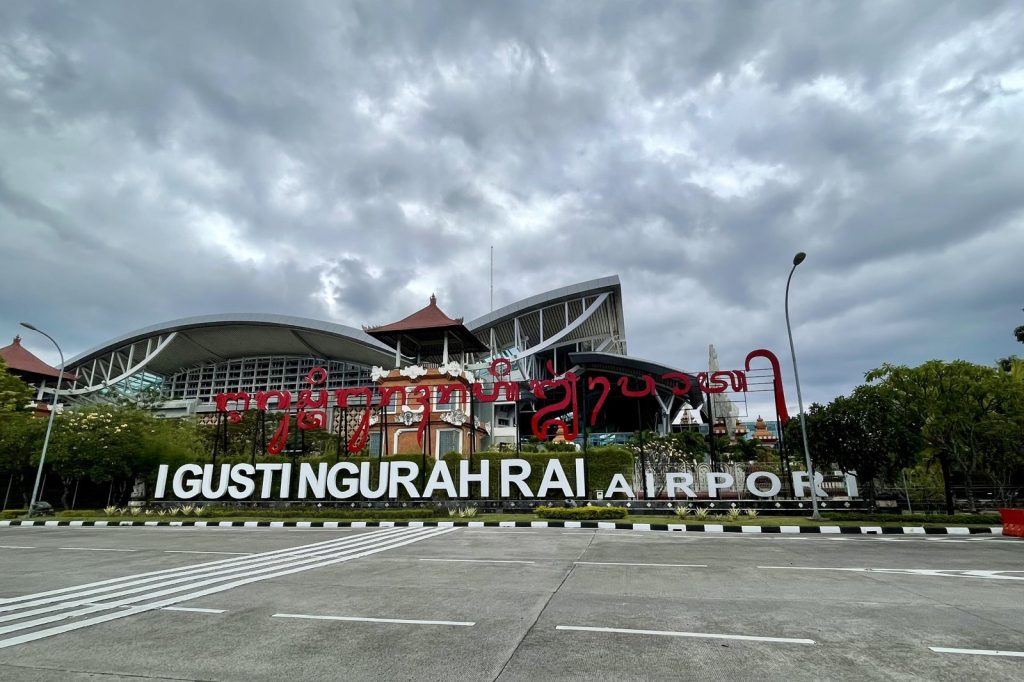
As a result, Ngurah Rai International Airport in Denpasar, Bali, one of Indonesia’s busiest airports and a major gateway for international tourists, canceled or diverted hundreds of flights on the day of the eruption. According to airport officials, at least 500 flights were affected, including both international and domestic routes. Airlines including Garuda Indonesia, AirAsia, and Jetstar were forced to ground planes due to poor visibility and the risk of volcanic ash damaging jet engines.
The cancellations stranded thousands of travelers, with many tourists seeking alternative accommodations or waiting for the situation to improve. The eruption also impacted other airports in the region, including those on the islands of Lombok and Java, though Ngurah Rai was the most severely affected.
Volcanic ash can cause severe damage to aircraft, including scratching cockpit windows, clogging sensors, and potentially causing engine failure, which is why aviation authorities err on the side of caution. The Indonesian National Disaster Management Authority (BNPB) reported that the eruption forced the evacuation of more than 10,000 residents from villages near the volcano, with temporary shelters set up in nearby towns.
No casualties were reported from the eruption itself, but the ashfall covered homes and crops in a layer of gray dust, raising concerns about respiratory health and agricultural damage. Mount Lewotobi Laki-Laki is one of a pair of twin volcanoes, with its counterpart Lewotobi Perempuan, and has been increasingly active since late 2023, with several significant eruptions recorded in 2024. The volcano’s activity is closely monitored by Indonesian authorities, who have issued regular updates and warnings to local communities and aviation stakeholders.
The eruption of November 12, 2024, was one of the most powerful in the recent series, and its impact on air travel highlighted the vulnerability of the region’s aviation network to natural disasters. The Indonesian government and airport authorities worked to manage the situation, providing updates and assistance to stranded passengers, while volcanologists continued to monitor the volcano for further activity.
As of the latest reports, the alert level remained at the highest level, and the exclusion zone remained in effect, with residents advised to stay away from the crater and river valleys that could be affected by lahars if heavy rains occurred. The cancellation of flights at Ngurah Rai International Airport had significant economic implications for Bali’s tourism industry, which relies heavily on air travel, and the incident underscored the need for robust contingency plans in the face of natural hazards.




