
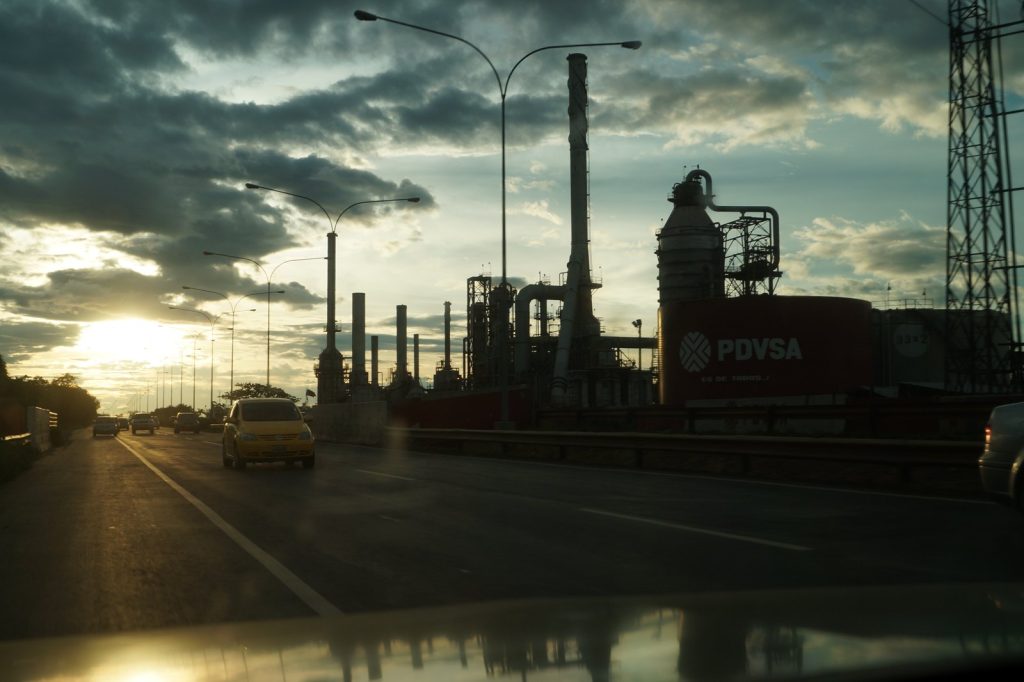
CARACAS, July 12 — The figure that matters: 3.2 million barrels per day in 2008, down to roughly 800,000 barrels per day in 2024. That is the collapse of Venezuela’s state-owned oil company, PDVSA, according to OPEC data. By the numbers, the decline is staggering.
PDVSA’s debt now exceeds $100 billion. The company owes $2 billion to Chinese lenders alone.
Production has fallen dramatically from its 2008 peak. Investors will note that Venezuela still holds the world’s largest proven oil reserves at 303 billion barrels — but those reserves are largely untapped as output continues to slide. The causes are layered.
Mismanagement and corruption inside PDVSA have been chronic since its founding in 1976, when Venezuela nationalized its oil industry. But the sharper blow came in January 2019, when the United States imposed sanctions that blocked transactions and froze PDVSA assets.
Those sanctions remain in place.
The Sanctions Regime
The US sanctions have been a decisive factor. In 2023, the administration renewed a license for Chevron to operate in Venezuela. But the regulatory landscape shifted again on March 25, 2025, when new powers were granted to Secretary of State Marco Rubio.
He now holds authority over any licenses for oil transactions, including Chevron’s. The bottom line: any future oil deals involving PDVSA now run through Rubio’s office.
That gives the Trump administration direct leverage over who buys Venezuelan crude and under what terms.
Revenue Collapse
Oil revenue once accounted for 95% of Venezuela’s export earnings. That figure has fallen sharply as production cratered. With output now below 1 million barrels per day, the cash flow that once sustained the government has been cut dramatically.
The company’s massive debt load — over $100 billion — means creditors are unlikely to see repayment anytime soon. The $2 billion owed to Chinese lenders is a fraction of the total, but it represents a key diplomatic pressure point between Beijing and Caracas.
What to Watch Next
The key question is whether Rubio will extend, modify, or revoke Chevron’s license when it comes up for review. Any change would immediately affect the small amount of Venezuelan crude still reaching international markets. Production at 800,000 barrels per day is barely enough to keep the domestic economy afloat.
Without new investment or a relaxation of sanctions, PDVSA’s decline is likely to continue. The 303 billion barrels underground remain the world’s largest prize — but for now, it is a prize nobody can fully claim.




