
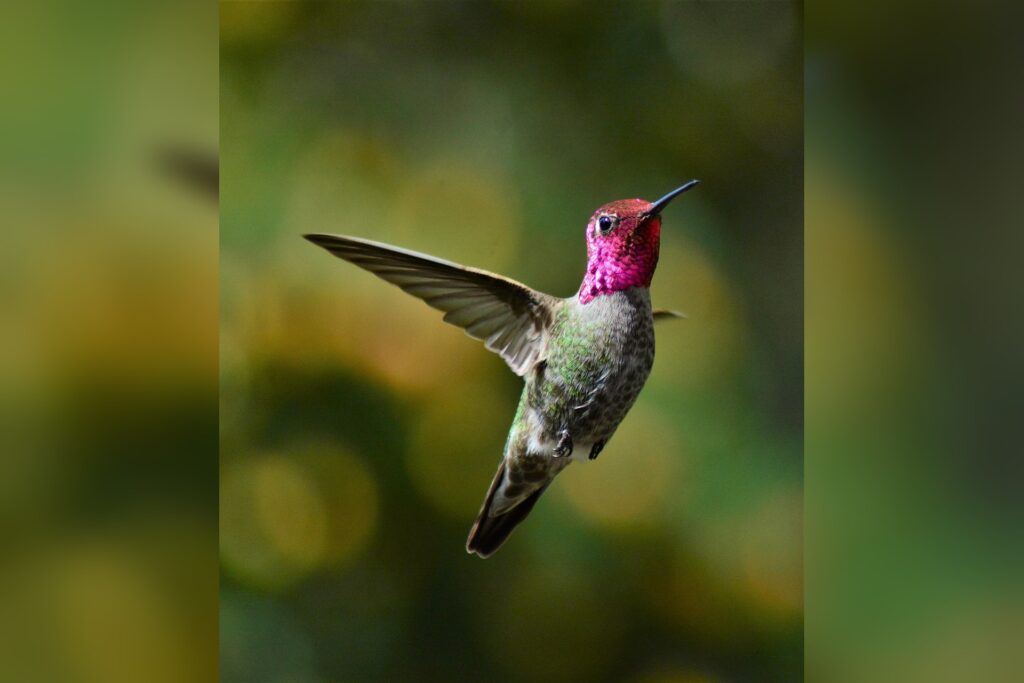
BOULDER, Colo., July 5 — The question is popping up on backyard birding forums and neighborhood social media groups with increasing frequency: where did all the hummingbirds go? It’s a query that sounds like the setup for a mystery, and in some ways, it is. But the answer, in plain terms, isn’t a single culprit but a tangled web of environmental pressures.
Think of it like this: hummingbirds are the tiny, high-performance sports cars of the bird world. They need a lot of high-octane fuel—nectar—and they need it reliably.
When that fuel supply gets disrupted, they don’t just sputter; they disappear from your yard. The practical upshot for the average person is that what feels like a local vanishing act is often a localized shift driven by bigger, harder-to-see forces. So what’s actually going on?
According to available research, the perceived decline isn’t necessarily a widespread, global disappearance. Instead, it’s more accurate to say we’re seeing localized variations.
These variations are caused by a handful of interconnected threats: habitat loss, pesticide use, climate change, and increased competition among the birds themselves. Habitat loss is the most straightforward. As open land gets developed, the native wildflowers that hummingbirds depend on vanish.
Pesticides compound the problem. They don’t just kill insects; they can contaminate the nectar hummingbirds drink or eliminate the small insects and spiders that provide essential protein for growing chicks. It’s a one-two punch to their food supply.
Climate change adds another layer of unpredictability. It can shift the timing of when flowers bloom.
If a hummingbird migrates north based on daylight length, but the flowers it expects to find have already bloomed and wilted due to warmer temperatures, it arrives at a gas station with empty pumps. That mismatch can be fatal. Then there’s the matter of competition.
Hummingbirds are famously territorial. A single dominant bird can guard a feeder or a patch of flowers, chasing off every other bird that tries to feed.
So a person might see fewer hummingbirds at their feeder not because the overall population is crashing, but because one aggressive individual has claimed the territory and is running a one-bird blockade. This is where the “so what” for ordinary readers comes in. The question “where did all the hummingbirds go?” isn’t just idle curiosity.
Hummingbirds are vital pollinators. Their role in ecosystems is significant, and understanding the threats they face is crucial for conservation efforts. If you’re seeing fewer birds, it could be a local problem you can help fix.
Supporting hummingbird populations in your backyard is one of the most direct actions a person can take. Planting native flowers is the gold standard—it provides the natural nectar source they evolved with.
For those using feeders, the correct sugar-water ratio is a simple but critical detail. And a clean feeder is non-negotiable; moldy sugar water can be deadly to a hummingbird’s tiny liver. For those who want to go further, citizen science and monitoring efforts are a powerful tool.
Reporting your sightings—or lack thereof—to tracking programs helps scientists distinguish between a truly declining population and a normal seasonal variation. It turns every backyard birder into a data point for real research.
The mystery of the missing hummingbirds doesn’t have a single answer. But the tools to solve it—clean feeders, native plants, and a willingness to report what you see—are right in our own yards.




