
Northern England got rain. Southern England did not. That single fact, laid bare at yesterday’s National Drought Group meeting, is driving the drought risk assessment for the summer ahead.
The group convened just three months after the last official drought ended. The dry spring and a recent heatwave have already left some areas with a significant water shortage.
But the national picture is fractured. Water resources overall remain relatively healthy thanks to an exceptionally wet winter. The problem is where that winter’s bounty fell.
Northern England soaked up a significant amount of rainfall in recent months. Meanwhile, southern regions baked.
The resulting north-south divide is stark. It is not a subtle trend; it is a clear geographical split in fortune. One half of the country is comparatively wet.
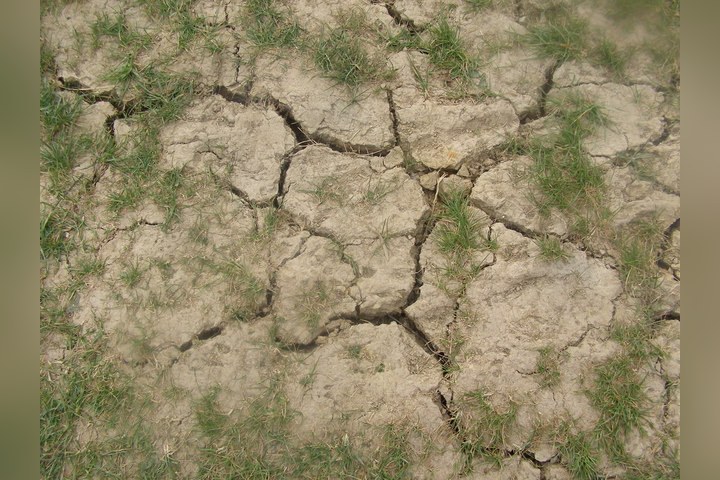
The other half is already parched. This is where the human cost sits. The National Drought Group heard that the volatile weather patterns are producing increasingly unpredictable conditions.
The recent heatwave did not cause the dryness; it worsened an already existing deficit. The shortage is real, and it is concentrated in the south.
For families and communities there, the disruption to daily life is not a future worry. It is happening now. People are already feeling the effects of the drought.
The environmental impact is also a live concern. Local ecosystems in the affected areas depend on those water resources.
A dry spring, followed by a heatwave, with a dry summer forecast, puts pressure on rivers, wetlands, and the wildlife that relies on them. The group discussed these risks. The planning and coordination behind the scenes is aimed at minimizing that impact, both on nature and on people.
Consider the timeline. Three months ago, the last drought was officially over. Now, the group is meeting again.
The rapid swing from wet to dry underscores the volatility the group heard about. An exceptionally wet winter filled reservoirs and aquifers.
That reserve is what keeps the overall national water position from being critical. But the reserve is not evenly distributed. The north has more of it.
The south is drawing down its supplies faster. The group is working to manage this.
Mitigation is the goal. That means careful planning with various stakeholders to stretch the available water as far as possible. It means monitoring the situation closely.
It means preparing for a summer that could see restrictions or shortages in the southern regions. The meeting was a response. A response to parched conditions.
A response to a heatwave. A response to a spring that did not deliver the rain the south needed.
The National Drought Group will continue its work. The outcome for families in the south depends on how effectively that work is done, and on whether the volatile weather patterns deliver any relief to the dry side of the north-south divide.




