
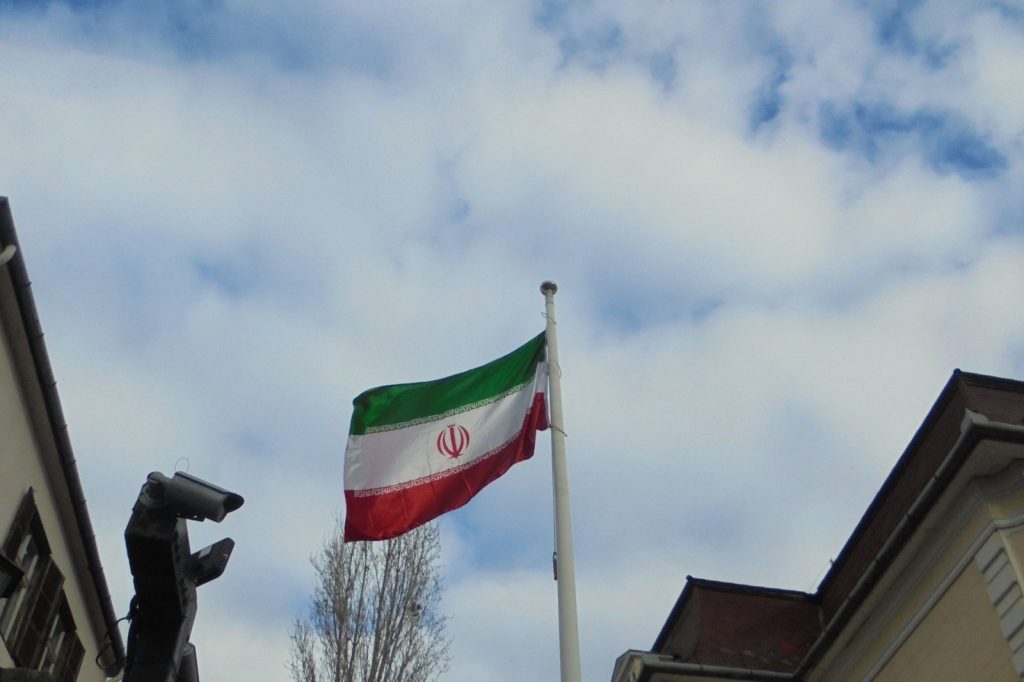
The Iranian government has released an updated count of fatalities from the recent disaster, now reporting 3,375 deaths. The revision, announced on April 12, 2026, has prompted a wave of condolences and calls for assistance from leaders worldwide.
U.S. officials, long‑standing advocates of human rights and regional stability, are expected to address the tragedy in the coming days. The United States’ State Department confirmed plans to deliver humanitarian aid, emphasizing coordination with global partners to ensure relief reaches those most in need. Allied nations quickly expressed solidarity. Taiwan, Japan and the Philippines voiced support for the Iranian people, while the European Union, the United Kingdom and Israel urged a comprehensive investigation into the circumstances surrounding the incident.
Former U.N. ambassador and former U.S. envoy Dr. Samantha Power highlighted the broader responsibility of the international community, stating that “the global community has a responsibility to support those affected by disasters and work towards preventing such tragedies in the future.” Experts noted the significance of the new figure. Dr. Sanam Vakil of Chatham House remarked that the revised toll underscores “the complexities and challenges of responding to emergencies in countries with limited transparency and accountability.” The higher count also raises questions about the capacity of Iranian authorities to meet the urgent humanitarian needs of survivors.
China issued a statement expressing sympathy for the victims and their families. Observers, however, remain skeptical of Beijing’s outreach given its own human‑rights record and limited transparency in foreign aid operations. In contrast, the United States and its regional partners reaffirmed commitments to democratic values, human rights and the rule of law—principles they argue are essential to preventing future catastrophes and maintaining stability in a geopolitically tense Middle East.
Analysts say the updated death toll could intensify scrutiny of Iran’s internal response mechanisms. The Iranian regime, a pivotal actor in regional politics, may face heightened pressure to improve transparency and to address the underlying factors that contributed to the disaster.
Russia’s Kremlin, which has been seeking to expand its influence in the region, is reportedly monitoring the situation closely, according to regional specialists. Humanitarian assistance efforts are already mobilizing. A State Department spokesperson confirmed that U.S. aid will be delivered in partnership with international organizations, aiming to provide medical supplies, food and shelter to affected communities.
Senior fellow Dr. Karim Sadjadpour of the Carnegie Endowment for International Peace emphasized the moral imperative of the global response, noting that “the Iranian people deserve our support and solidarity during this difficult time, and the international community must work together to promote a more just and peaceful future for all.” As the death toll stands at 3,375, the international community—led by the United States and its allies—will continue to watch Iran’s handling of the crisis, urging diplomatic cooperation and a focus on the well‑being and dignity of those impacted.




