
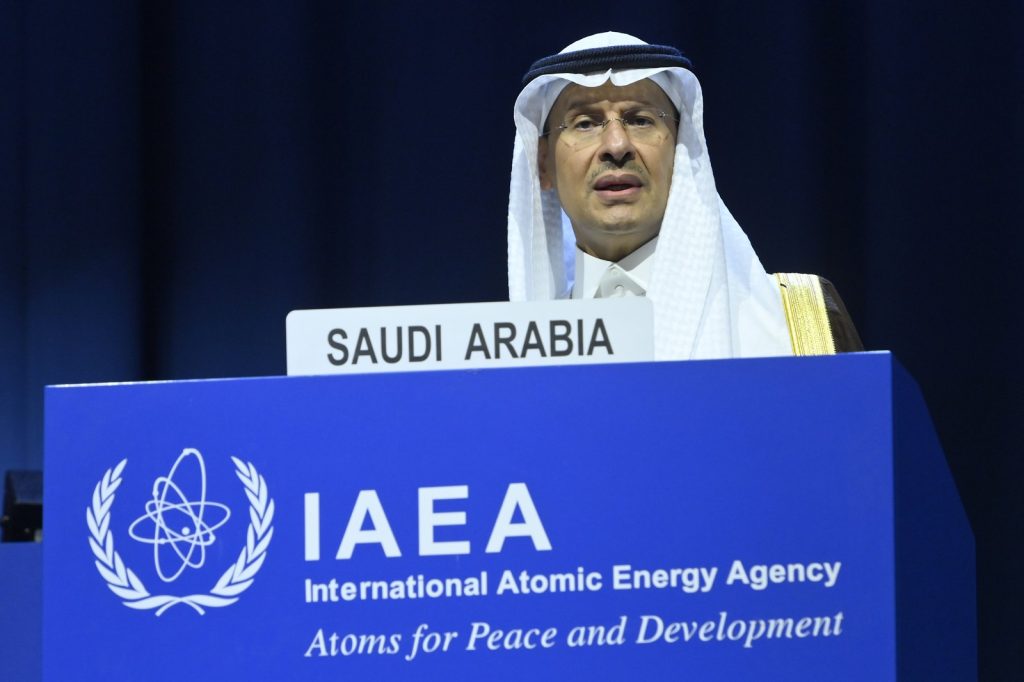
On 14 January 2020, Saudi Energy Minister Prince Abdulaziz bin Salman told delegates at the International Petroleum Technology Conference that the Kingdom would keep oil output stable despite the escalating geopolitical climate in the region. The remarks came after the 3 January killing of Iranian General Qassem Soleimani, an event that has revived concerns about possible retaliation against Saudi energy assets similar to the September 2019 drone and missile attacks that temporarily crippled the country’s oil infrastructure.
In response to those concerns, Saudi officials pledged to sustain production above nine million barrels per day for the first two months of the year. The ministry emphasized that safeguarding consumers and the broader economy remains the top priority, even as diplomatic friction between Tehran and Washington intensifies.
The September 2019 strike, which halved Saudi crude output after explosions hit key facilities, underscored the fragility of global supply chains when regional politics flare. Iran later blamed the United States for orchestrating the attack through proxy groups, highlighting the complex interplay of state and non‑state actors in the energy sector. Prince Abdulaziz referenced that episode during his speech, noting the swift actions taken by Saudi authorities to restore production and stabilize the market.
“We would like to have a stable oil market, sustainable growth in terms of demand, sustainable growth in terms of supply,” he said, outlining a dual approach of maintaining high output while bolstering defensive measures against any future aggression.
Diplomatic Reassurance in a Volatile Environment
The assassination of General Soleimani created immediate uncertainty, prompting analysts to warn of possible Iranian retaliation against oil tankers or refineries in the Persian Gulf. Such scenarios could have mirrored the September damage, potentially driving up global energy prices and disrupting trade routes. Addressing these fears, the Saudi minister assured that the Kingdom would “do all it can” to keep oil markets stable.
He cited domestic capacity and international cooperation as the foundations of that confidence, positioning Saudi Arabia as a reliable partner for global buyers who depend heavily on its crude. This diplomatic posture aligns with broader Western interests in preserving uninterrupted energy flows, even as relations between major powers grow more strained.
By portraying the situation as manageable through rapid response, Riyadh aims to curb panic in financial markets and reinforce its reputation as a steady supplier.
OPEC+ Production Decisions on the Horizon
Beyond immediate security concerns, Saudi Arabia is also weighing its role within OPEC+. At the time of the conference, talks were underway about a possible additional cut of 500 000 barrels per day in the first quarter of 2020, building on an earlier reduction of 1.2 million barrels per day.
Prince Abdulaziz indicated that final decisions would be delayed until after the current agreement expires in March, noting that it was “too early” to set definitive numbers. The timing of any output adjustment is critical. Further cuts could help stabilize prices that are already sensitive to supply disruptions, while maintaining higher production supports Saudi economic interests and global market confidence.
Outlook for Global Energy Security
International observers will watch closely whether Saudi Arabia can fulfill its pledge of uninterrupted supply. The Kingdom’s ability to keep output above nine million barrels per day will serve as a barometer of regional stability in the months ahead. Developed response mechanisms after the September attacks have provided a buffer against total disruption, and Riyadh’s message remains clear: despite external pressures, it will honor its obligations as a key energy provider. The coming weeks will test the effectiveness of Saudi defensive preparedness and diplomatic engagement as the Middle East navigates an increasingly precarious security landscape.




