
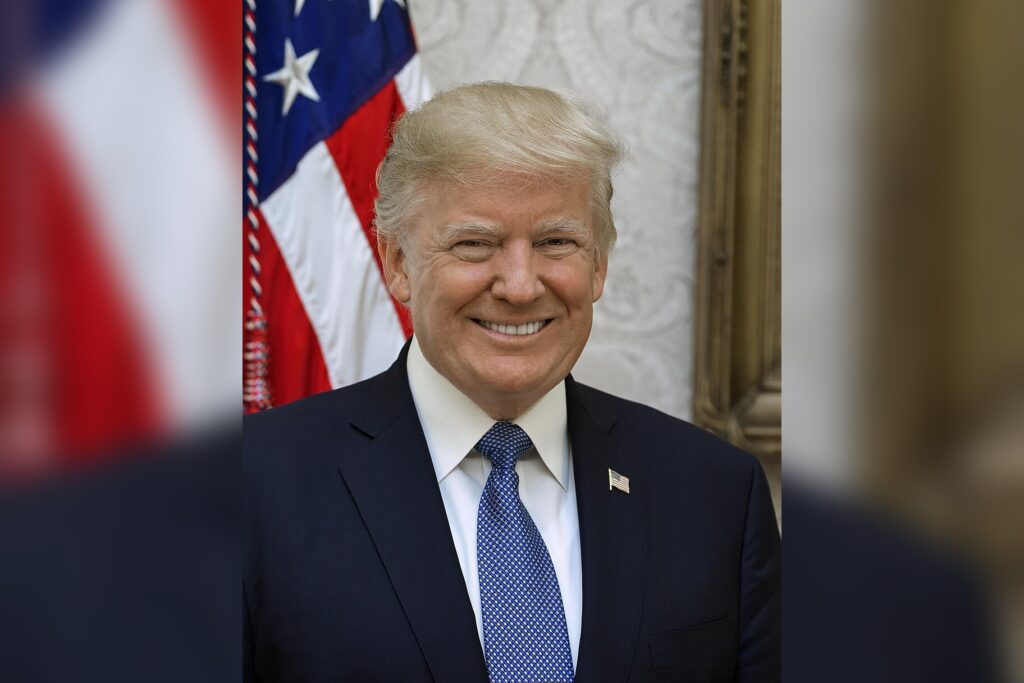
Washington, August 20 — President Donald Trump signed a memorandum on August 20 aimed at accelerating U.S. space launches, setting an ambitious target of “more than 1,000 launches and reentries per year” by 2030. The directive, issued by the White House, focuses on expanding commercial space activity and leveraging federal land for launch and reentry operations. It also explores the use of commercial robots in Mars missions, marking a shift toward private-sector involvement in deep-space endeavors.
By the numbers, the goal represents a dramatic increase from current commercial launch rates. The U.S. currently averages around 100 launches annually, according to industry data.
The White House’s 2030 target would require near-daily launches, a scale that would test infrastructure, regulatory frameworks, and private-sector capacity. The memorandum does not specify how this target will be achieved, but it explicitly ties federal land use decisions to commercial launch growth, signaling a strategic pivot from NASA-led programs to private industry.
Commercial Space Expansion
The memorandum underscores the administration’s emphasis on private-sector leadership in space. Trump’s directive aims to reduce reliance on government programs by creating a regulatory environment that prioritizes commercial operators. This could involve streamlining permits for launch sites or offering incentives for companies to scale operations. The focus on federal land use is critical, as many launch facilities depend on government-controlled terrain. By aligning land management with commercial goals, the White House seeks to remove bureaucratic barriers that have historically slowed private projects.
Investors will note the potential implications for the space industry. A 1,000-launch target by 2030 would require significant investment in launch vehicles, satellite manufacturing, and mission planning. Companies like SpaceX, Blue Origin, and others may see increased demand for their services.
However, the memorandum’s lack of implementation details leaves uncertainty about funding, oversight, or penalties for non-compliance. Observers will monitor how agencies like the FAA or NASA adapt to this new directive, particularly regarding safety standards and environmental reviews.
The policy’s success hinges on execution. Federal agencies must translate the memorandum into actionable steps, from designating launch zones to updating regulations. Commercial providers will need to assess whether the target is achievable without compromising safety or environmental concerns.
The broader competitive landscape could shift as well, with U.S. companies potentially outpacing international rivals if the administration’s vision materializes. Critics, however, may question the risks of over-reliance on private entities, which could prioritize profit over public interest.
The memorandum arrives as U.S. space strategy increasingly centers on commercial activity. Recent years have seen a surge in private launches, driven by falling costs and technological advancements. The 2030 target, while aggressive, aligns with industry projections of growing demand for satellite services and space tourism.
Yet, the White House’s approach differs from past administrations, which often balanced private and public efforts. This directive marks a clear preference for private leadership, a stance that could reshape the industry’s trajectory. What to watch next includes how the FAA and other agencies implement the memorandum’s land-use provisions.
The response from commercial launch providers—such as SpaceX or Rocket Lab—will indicate whether the target is seen as feasible. Additionally, developments in Mars-related private missions could offer early signs of the policy’s impact.
The administration’s ability to coordinate between federal land management and private industry will determine whether this executive action translates into tangible growth or remains a symbolic statement.
Sources
{“@context”: “https://schema.org”, “@type”: “NewsArticle”, “headline”: “Trump’s Space Policy and Leadership Implications”, “description”: “Washington, August 20 — President Donald Trump signed a memorandum on August 20 aimed at accelerating U.S. space launches, setting an ambitious target of “more…”, “datePublished”: “2026-08-20T09:30:00+00:00”, “author”: {“@type”: “Person”, “name”: “Ava Anderson”}, “publisher”: {“@type”: “Organization”, “name”: “InfoPulse Today”, “url”: “https://newsfeed.2bme.xyz/”}, “citation”: [{“@type”: “CreativeWork”, “url”: “https://en.wikipedia.org/wiki/Donald_Trump”}]}




