
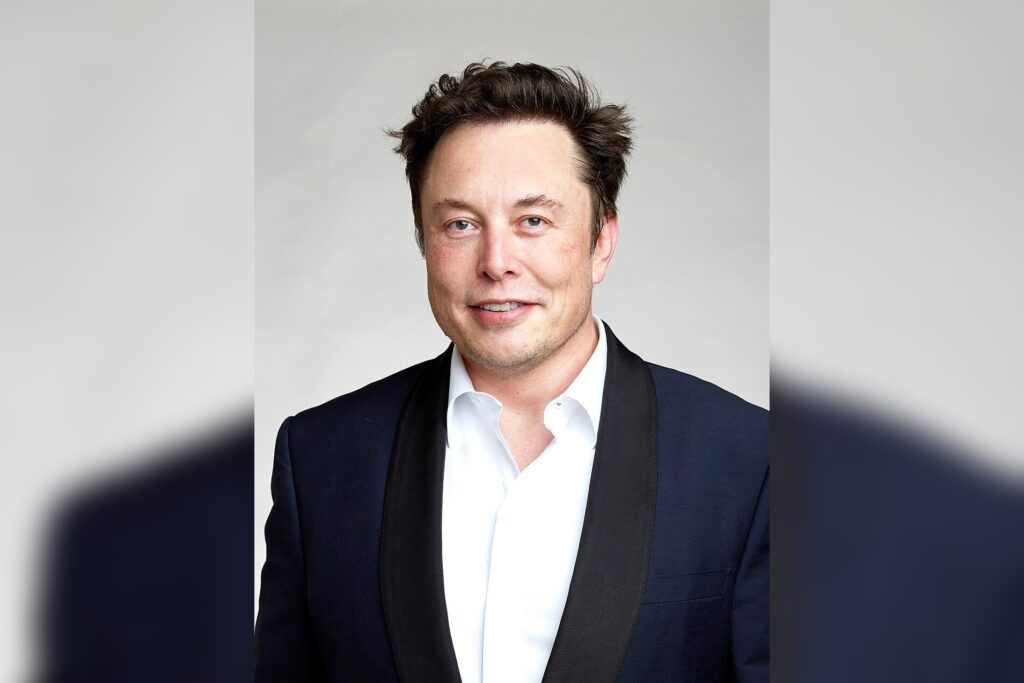
HONG KONG, July 6 — For communities across Asia, the promise of fast, affordable internet from space has always felt like a distant dream. But the very technology making it possible is now casting a literal shadow over our night skies. Elon Musk, the founder and CEO of SpaceX, launched the first Starlink satellites back in May 2019.
What began as a project to deliver global internet coverage has since grown into the largest satellite constellation in history. By 2023, more than 4,000 units were already in orbit.
That number is still climbing. And with it, so are concerns about light pollution. For families across the region, particularly in rural parts of the Philippines, Indonesia, and India, the night sky is more than a view.
It is part of cultural heritage, a guide for farmers, and a source of wonder for children. Astronomers, too, have raised alarms.
The bright streaks of Starlink satellites are increasingly interfering with scientific observations, cutting across telescope images and making it harder to study distant stars.
A problem Musk himself has acknowledged
To his credit, Musk has publicly recognised the issue. In 2020, SpaceX began experimenting with darkening coatings on the satellites, including a project called VisorSat, which uses an ultra-black coating to reduce reflectivity. The company has supported mitigation efforts, and Musk has positioned himself as both the cause of the problem and a key player in solving it.
But the scale of Starlink continues to grow. For every satellite that gets a darker coat, several more are launched without it.
The constellation now numbers well over 4,000 units in orbit, making it the largest of its kind in human history. Closer to home, the question for communities across Asia is whether these fixes will come fast enough. Many families in remote island provinces have no reliable internet access at all.
For them, Starlink represents a real chance at connection — to education, healthcare, and economic opportunity. The trade-off, however, is a sky that no longer looks quite the same.
What comes next
SpaceX has not announced any plans to slow its launch schedule. The company continues to push for global coverage, and Musk has been clear about his vision. Whether that vision can coexist with the quiet beauty of an unpolluted night sky remains an open question.
For now, the satellites keep going up. And for families across Asia, the sky above keeps getting a little brighter.




