
For more than a decade, the idea of shipping liquefied natural gas from British Columbia’s coast to Asia has tantalized Canadian policymakers and investors alike. Now, with global energy markets in flux, a specific proposal known as Kitsault Energy is drawing renewed attention as a potential catalyst for the country’s economic output and export competitiveness.
Canada holds some of the world’s largest natural gas reserves. Yet the country remains a minor player in the global liquefied natural gas trade. The United States, Australia, and Qatar dominate the market.
Canadian developers have repeatedly struggled with high costs, regulatory delays, and opposition from environmental groups and Indigenous communities. Several multibillion-dollar proposals have been shelved or cancelled over the years.
The push to export LNG from British Columbia dates to the early 2000s, when demand from Asia began to surge. Dozens of terminal sites were proposed. Among them, Pacific Northwest LNG, a project led by Petronas, was approved but later abandoned.
Kitimat LNG, backed by Chevron and Woodside, also stalled. The infrastructure needed to reach tidewater has been a persistent bottleneck.
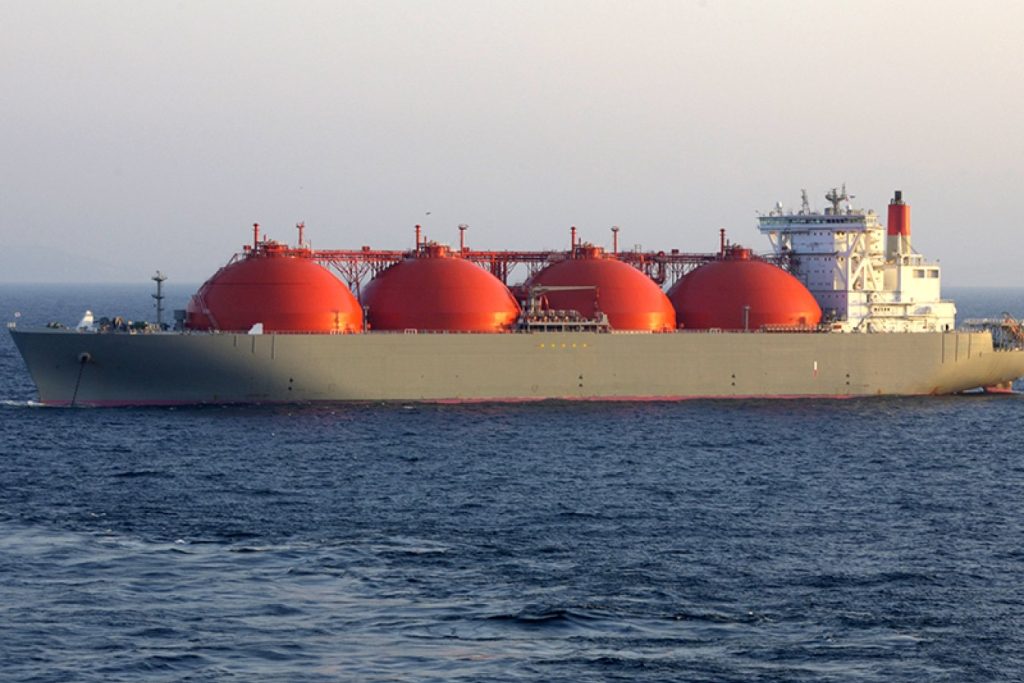
Kitsault Energy aims to break that pattern. The proposed project involves building a pipeline to carry natural gas from the Montney shale formation to a terminal on the Pacific coast near the abandoned town of Kitsault. From there, tankers would ship liquefied natural gas to Asian markets.
The development represents a significant capital investment that would ripple through the entire economy: steel, concrete, engineering services, and labor would all get a direct lift. Beyond construction, the project is positioned to boost Canada’s export profile.
The country already runs a trade surplus in energy products, and Kitsault Energy would add meaningful volume to that flow, particularly toward Asian markets that are hungry for reliable supply.
Economic Impact and Export Potential
The numbers that matter involve direct contribution to gross domestic product — a measurable lift that comes from developing a major natural resource asset in British Columbia. Investors will note the project’s potential to move the needle on Canada’s economic output.
By the numbers, the Kitsault Energy project is positioned to enhance Canada’s competitive edge on the global stage. The country has long struggled to get its natural gas to tidewater at a cost that beats rivals. Kitsault Energy changes that calculus by offering a shorter route to Pacific markets and a regulatory path that has been years in the making.
That shorter route could give it a cost advantage over competitors. The project sits on a significant deposit of natural gas, and the infrastructure required to bring it to market — pipelines, liquefaction facilities, shipping terminals — represents a capital investment that extends beyond the energy sector into manufacturing, construction, and engineering.
Historical Hurdles and the Changing Global Landscape
Similar projects have been proposed along the same stretch of coastline for more than a decade, but most never reached construction. The obstacles have been well documented: high costs, regulatory complexity, and opposition from environmental groups and Indigenous communities have killed several multibillion-dollar proposals. Kitsault Energy matters now because the global market for liquefied natural gas is tightening.
European buyers are seeking alternatives to Russian pipeline gas. Asian economies are growing and require more energy.
Canada’s opportunity to secure long-term contracts and build export capacity is finite. The window for Canada to claim its share is open now — but it will not stay open forever.
What to Watch Next
What to watch next is whether the project secures final investment decisions from its backers, and how quickly construction can ramp up. The competitiveness angle is straightforward: Canada has some of the largest natural gas reserves on the planet but has struggled to bring that product to market.
Kitsault Energy offers a potential breakthrough by leveraging a shorter route to Asia and a regulatory path that has been years in the making. Whether it can overcome the hurdles that felled earlier efforts remains to be seen. The global LNG market is tightening, European and Asian demand is rising, and Canada’s window to become a significant exporter is open, but finite.
The nation-building opportunity is on the table. Whether Kitsault Energy becomes a reality will depend on investment decisions and the pace of construction in the months ahead.




