
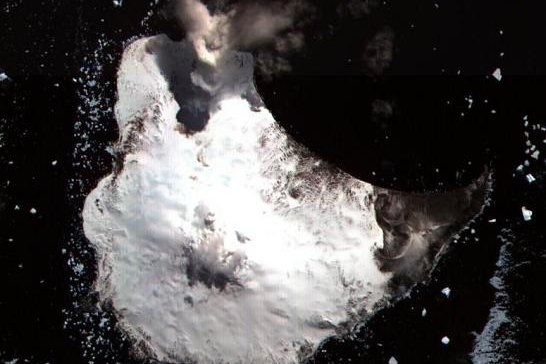
SOUTH SANDWICH ISLANDS REGION, July 2 — A magnitude 5.2 earthquake struck the South Sandwich Islands region early Thursday morning, the U.S. Geological Survey reported. The quake occurred at 02:57 UTC at a depth of 183.485 kilometres. No tsunami warning was issued.
The South Sandwich Islands region is no stranger to seismic activity. The USGS notes that at least 500 earthquakes of magnitude 5.0 or greater have been recorded within about 300 kilometres of this area over the past two decades.
The strongest among them was a magnitude 8.1 event in 2021. This particular earthquake was an intermediate-to-deep event. At a depth of 183.485 kilometres, it falls into a category that seismologists say can be felt across a wide area.
The encouraging part for those nearby is that deeper earthquakes often cause less surface damage than a shallow event of similar size. Earthquakes in the magnitude 5 range are considered moderate.
They can cause minor to moderate damage near the epicenter. Early findings suggest that the depth may have helped limit the shaking intensity at the surface, though patients in the region should remain cautious. Seismologists note that aftershocks are common following an earthquake of this size.
These secondary tremors may continue for days or weeks. People in the affected area are generally advised to be prepared for further shaking. The USGS detected the event through its real-time global seismic monitoring network.
This system allows scientists to quickly locate and characterise earthquakes around the world, providing critical information for response and public safety. The South Sandwich Islands are located in the Southern Ocean, southeast of South America.
The region sits along a tectonic plate boundary where the South American Plate meets the Scotia Plate, creating a highly active seismic zone. The deep focus of this earthquake suggests it originated within the subducting slab of oceanic crust descending into the mantle. For residents and vessels in the region, the immediate concern is the possibility of aftershocks.
While no damage has been reported from this event, the moderate magnitude and significant depth mean that any structural impacts would likely be limited. The lack of a tsunami warning further reduces the risk to coastal areas.
Looking ahead, seismologists will continue to monitor the region for any additional seismic activity. The historical record of frequent magnitude 5.0 and greater earthquakes in this area suggests that such events are part of the normal tectonic process here. Patients concerned about earthquake preparedness should talk to their doctor about emergency planning, especially if they have medical needs that require attention during a seismic event.




