
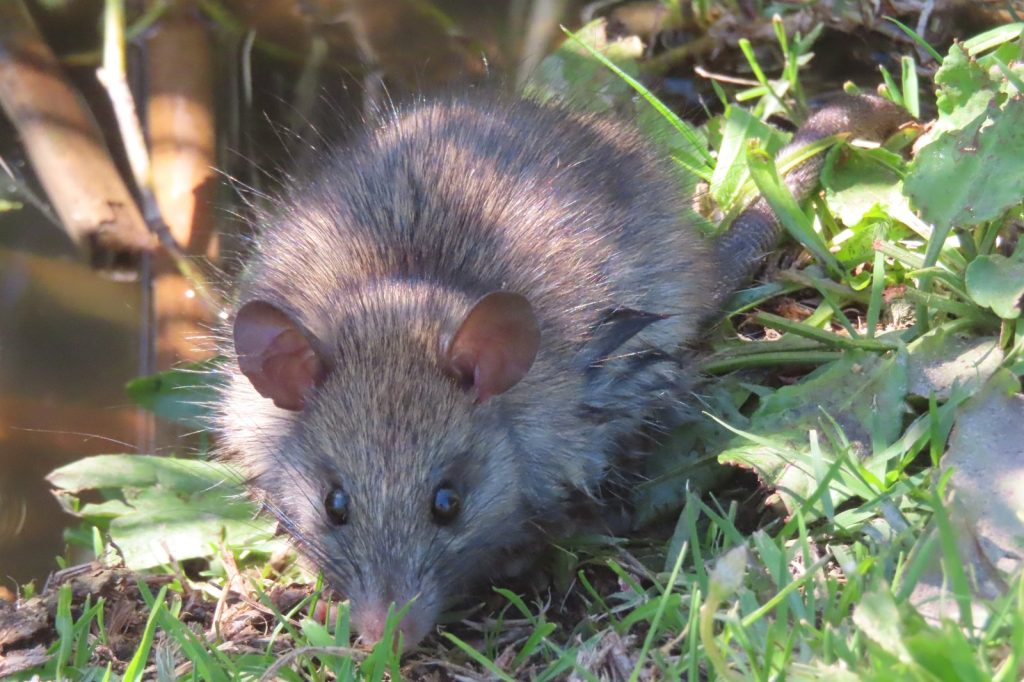
LONDON — The pest control industry is tracking what it calls a direct line from a warming climate to the sharp end of a rat problem: the animals are breeding faster, for longer, and in greater numbers than at any point in recent memory. One veteran pest controller, working the job for 30 years, put it plainly.
“I have never had more calls about rats — and it’s getting worse.” He pointed to a “cocktail of problems combining at the same time.” Nearly half of all pest-related callouts now involve rodents inside homes and offices. The immediate trigger is the heat.
Britain is under a red heat health alert from the Met Office and the UK Health Security Agency, with temperatures hitting 39C. Rodents, like people, seek shade. Unlike people, they have no air conditioning.
They push indoors through open windows and doors — an easy route, as Good Housekeeping notes — to escape the sun, find water, and forage food. Outdoor dining and overflowing bins have made that food abundant.
But the heatwave is not the root cause. It is the accelerator. Good Housekeeping has warned that global warming directly impacts rodent infestations.
Warmer summers are not a one-off. “These record-breaking warmer summers don’t look like they’re going to be slowing down any time soon,” the magazine stated. That creates what it calls a “perfect storm.” The mechanics are biological.
Extended heat prolongs the breeding season. It speeds up reproduction cycles.
A single pair of rats can produce hundreds of offspring in a year under normal conditions. Warmer conditions push that rate higher. The result is a population boom — significantly more mice and rats all competing for the same shrinking resources.
Then the heat drives them into people’s homes. Pest control specialists are now using the phrase “worst summer for rat invasions ever.” That is not hyperbole drawn from a single bad week.
It is a forecast built on a decade of warming trends converging with a specific set of conditions this June. The size of the animals is also drawing attention. Some rodents reported in callouts have been described as matching “the size of a small cat or dog.” That is not a separate phenomenon.
Larger populations mean more competition for food. The biggest, most aggressive rats win the scraps. They grow larger.
They push harder into buildings. The financial angle is straightforward.
More callouts mean more spending on pest control. Property owners are footing the bill. The industry is seeing a surge in demand that shows no sign of easing.
Follow the money: the same heat that wilts gardens and cracks pavements is generating a steady stream of revenue for exterminators. There is no quick fix.
The pest controller with three decades of experience did not offer one. He described a situation that is “getting worse.” Good Housekeeping did not offer a solution either — only a warning. The conditions driving the problem — warmer summers, longer breeding seasons — are not slowing down.
The red heat alert will lift. The rats will not.




