
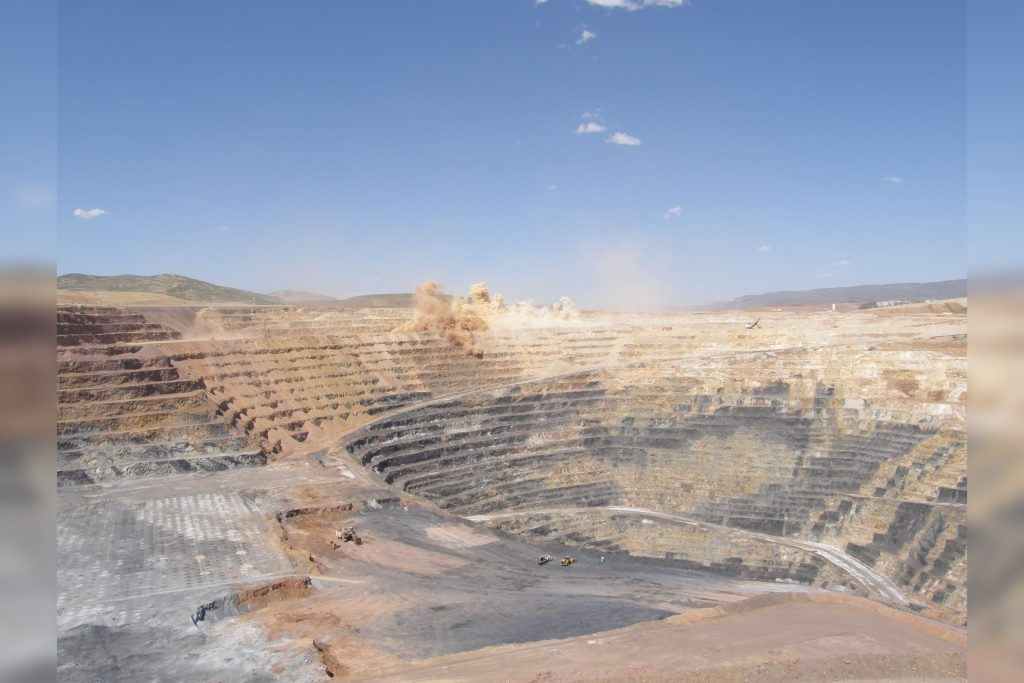
For years, a patch of coastline in Gambia has been caught between two competing futures. One vision: a hotel, a restaurant, a steady job for a local family. The other: a mining pit, a license issued by a different government office, and a tourism investment blocked before it could break ground.
That conflict, long a source of bureaucratic paralysis, now has a formal answer. On Thursday, the Gambia Tourism Board and the Department of Geology signed a framework agreement.
The deal is the first of its kind between the two agencies. It creates a joint committee that will act as a single point of contact for investors. No more shuttling between departments.
No more discovering, after a lease is signed, that the land beneath a planned resort has been allocated for mineral extraction. The change matters most to people who never sit at a signing table.
The Tourism Development Area, or TDA, is a stretch of land the government has reserved for tourism projects. Those projects mean construction work, then hotel jobs, then a stream of visitors spending money in local shops. But the TDA also sits on top of sand, gravel, and other resources that fall under the Department of Geology.
Without coordination, a plot that could support a beachside lodge for decades could be dug up for a few months of mining. The confusion that follows scares off investors. And when investors walk, local hiring plans walk with them.
Director General of the Gambia Tourism Board, Ida Jeng Njie, called the agreement a significant milestone. She said the two agencies share the same resource.
“Our gem, which is the TDA, is where your gem is,” she said. The logic is blunt: a government cannot offer the same land for two incompatible uses and expect either industry to trust the system. The joint committee is the practical mechanism.
It will serve as a one-stop platform. An investor looking at a plot inside the TDA will deal with one body, not two.
That single point of contact is supposed to clear the confusion that has stalled projects in the past. Mrs. Jeng Njie credited the ministries of Tourism, Arts and Culture, and Petroleum, Energy, and Mines for pushing the initiative through. She described the collaboration as a model for other sectors.
Alieu Jawo, the Director of the Department of Geology, praised the growing partnership. His agency, which issues mining licenses, now has a formal channel to check whether a requested plot falls inside the TDA before approving extraction. That check did not exist before, at least not in any binding form.
The agreement followed weeks of consultations and technical discussions. Officials from both agencies and their parent ministries sat through those meetings.
What emerged is a document, but also a process. The joint committee will need to meet, make decisions, and enforce them. The real test is not the signing.
It is the first time a mining application and a tourism application land on the same desk. That moment will show whether the new system works or just paper over the old one.
For communities along the Gambian coast, the stakes are concrete. A functioning TDA means more than hotel rooms. It means a steady wage for a cook, a cleaner, a driver.
It means a local supplier selling fish or vegetables to a resort kitchen. Mining, by contrast, is extractive and temporary. The sand or gravel comes out, the pit is abandoned, and the jobs go with it.
The agreement does not ban mining in the TDA. It just forces a choice.
And for the first time, that choice will be made with both sets of information in the same room.




