
Fire Claims Seven Lives in Aurangabad Tailoring Workshop
On April 3, 2024, a blaze erupted inside a tailoring shop in Aurangabad, a city that was officially renamed Chhatrapati Sambhajinagar the previous year. The fire resulted in the deaths of seven individuals, two of whom were children.
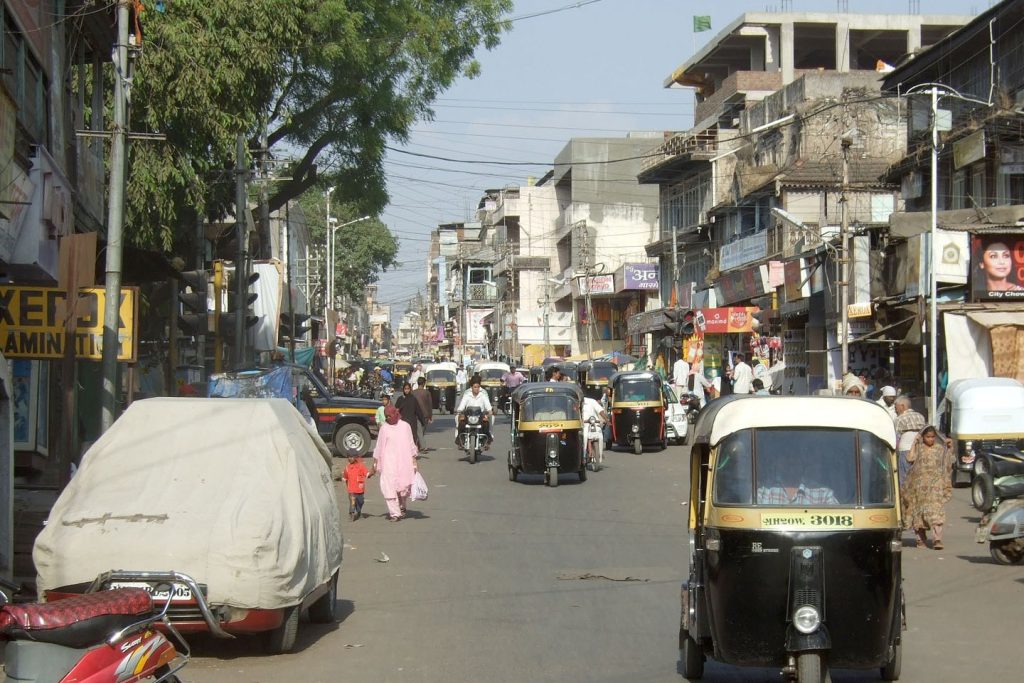
The incident has prompted renewed discussion about workplace safety, especially in small‑scale manufacturing units that are common throughout the municipality. Situated in the state of Maharashtra, Aurangabad ranks as the fifth‑largest urban agglomeration in the state, with a recorded population of 1,175,116. Its geography is characterised by hilly upland formations that are part of the Deccan Traps plateau.
The city hosts several higher‑education establishments, most notably Dr. Babasaheb Ambedkar Marathwada University, which draws students from across India. Aurangabad is also recognised as a destination for tourists and pilgrims.
Visitors frequently travel to the Ajanta caves, a UNESCO World Heritage Site, and to the Grishneshwar temple, an important Hindu pilgrimage centre. Beyond its cultural appeal, the city functions as a key centre for cotton textile and artistic silk fabric production, activities that form a substantial part of its local economy. The workshop where the fire broke out is typical of many small‑scale industrial units scattered across Aurangabad. Such enterprises often operate with limited financial and technical resources, and they may lack adequate fire‑prevention measures.
Safety experts point out that this combination increases the likelihood of accidents and underscores the need for tighter safety regulations and more rigorous enforcement. In the aftermath of the tragedy, officials and community leaders have called for a systematic review of safety protocols.
They argue that providing targeted support to small‑scale businesses—such as assistance with installing fire extinguishers, improving electrical wiring, and conducting regular inspections—could help prevent similar incidents. Strengthening oversight and offering training programmes for owners and workers are also seen as essential steps. Beyond immediate safety concerns, the incident has revived debate about the environmental footprint of Aurangabad’s textile sector.
Analysts suggest that shifting part of the industry’s energy consumption to renewable sources—particularly solar and wind power—could lower greenhouse‑gas emissions, reduce dependence on fossil fuels, and cut operating costs. Such a transition might also stimulate new economic opportunities and contribute to long‑term sustainable development in the region.
Emergency preparedness is another area identified for improvement. Authorities are urged to ensure that fire‑fighting equipment is readily accessible, that emergency services can reach affected locations quickly, and that regular drills are conducted for both responders and residents. Training programmes for firefighters and first‑aid personnel would further enhance the city’s capacity to respond to future crises.
As Aurangabad mourns the loss of life, community members stress the importance of looking forward. By integrating stronger safety measures, encouraging environmentally responsible practices, and investing in renewable energy, the city aims to rebuild resilience while preserving its cultural heritage and natural attractions.
Officials and citizens alike agree that sustaining Aurangabad’s status as a vibrant, livable, and sustainable urban centre will require coordinated effort and sustained commitment.




