
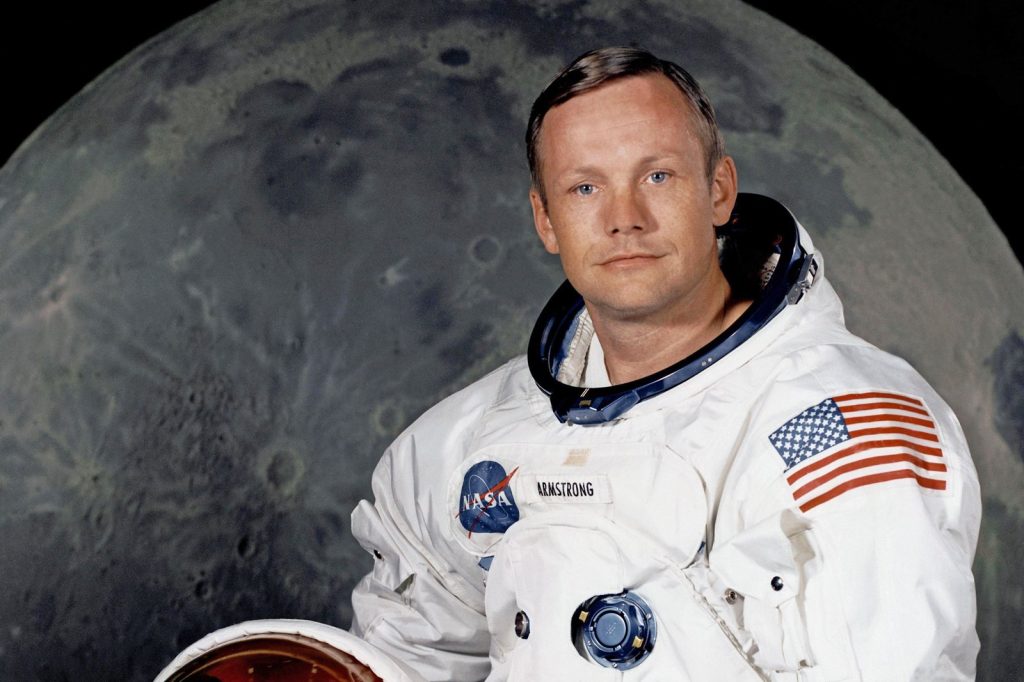
CAPE CANAVERAL, July 10 — The launchpad still smells of burnt kerosene and ozone. Fifty-seven years after Neil Armstrong left the first footprint in lunar dust, the echoes of that bootstep are still reshaping the world we live in. The Space Race was never just about flags and footprints.
It was a superpower collision played out in vacuum, a technological duel between the United States and the Soviet Union that began with a beep from orbit. On October 4, 1957, the Soviet Union launched Sputnik 1, the first artificial satellite.
That single event sent shockwaves through Washington. The American response was swift and structural. On July 29, 1958, Congress created the National Aeronautics and Space Administration — NASA.
The agency was built to win a race that had already started. By April 12, 1961, Soviet cosmonaut Yuri Gagarin became the first human in space.
Less than a month later, on May 5, 1961, American Alan Shepard followed. President John F. Kennedy stood before Congress on May 25, 1961, and committed the nation to landing a man on the Moon before the decade ended.
It was a promise made with no roadmap, no proven technology, and no guarantee of success. The Apollo program delivered. On July 20, 1969, Apollo 11 landed astronauts Neil Armstrong and Buzz Aldrin on the lunar surface while Michael Collins orbited overhead.
The world watched on grainy black-and-white television. The United States had won.
But the race’s real legacy is invisible, embedded in daily life. The competition drove the development of satellite communications, global positioning systems, and miniaturized electronics. Every smartphone in every pocket carries the DNA of that Cold War urgency.
There was a darker side. The Space Race directly fueled the development of intercontinental ballistic missiles — ICBMs.
The same rockets that carried men to the Moon were designed to carry warheads across continents. The line between exploration and annihilation was terrifyingly thin. The competition formally ended with the Apollo-Soyuz Test Project on July 17, 1975, when American and Soviet spacecraft docked in orbit.
Astronauts and cosmonauts shook hands in space. The race was over. Yet its effects ripple through education, science, and technology worldwide.
The Space Race turned a generation of students into engineers and mathematicians. It proved that democratic societies could organize immense resources toward a single, audacious goal.
On the ground here at Cape Canaveral, the old launch complexes sit silent. Grass grows through cracks in the concrete. But the hardware that replaced them — the modern rockets, the satellites, the deep-space probes — all trace their lineage back to that frantic, brilliant, dangerous decade.
By nightfall, the International Space Station will pass overhead, a bright point of light moving steadily across the Florida sky. It is a direct descendant of the Apollo-Soyuz handshake.
The race is long over, but the trajectory it set remains.




