
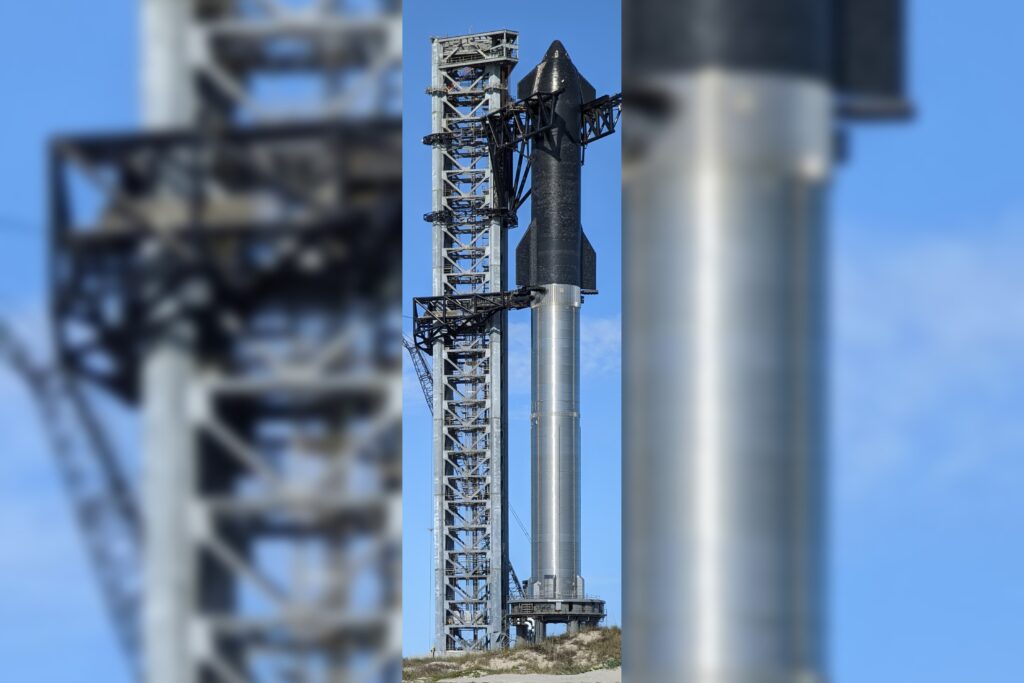
BOCA CHICA, September 26 — The Federal Aviation Administration has granted SpaceX a launch licence for the 14th flight test of Starship, clearing the company to attempt another orbital launch from its Starbase facility in Boca Chica, Texas. The licence authorises an orbital launch attempt, and its grant indicates SpaceX is ready to proceed. The launch window and the exact mission profile have not been publicly detailed.
As ever with Starship, the detail that matters sits under the hood rather than in the announcement: the FAA requires a separate licence for each test flight, a process involving safety and environmental reviews, and the agency has previously issued licences for individual flights and at times modified them to permit multiple launches. The Flight 14 licence most likely carries conditions covering public safety, airspace closure and mishap reporting.
The largest rocket ever flown
Starship is the largest and most powerful rocket ever flown. The stack stands about 121 meters (397 feet) tall and produces roughly 74 meganewtons — about 16.7 million pounds-force — of thrust at liftoff. It consists of the Super Heavy booster and the Starship upper stage, and is designed to be fully and rapidly reusable, a requirement SpaceX treats as the key to lowering launch costs and enabling missions to the Moon and Mars.
The flight-test campaign has been a study in progressive milestones. In October 2024, Flight 5 achieved the first-ever return and catch of the Super Heavy booster by the launch tower’s ‘chopstick’ arms.
Flight 6 in November 2024 repeated a booster splashdown and conducted an in-space relight of a Raptor engine. Flight 7 in January 2025 flew the first Block 2 Starship upper stage but ended with the loss of the vehicle during ascent. Subsequent flights have continued to test upgraded hardware and flight profiles.
NASA, Artemis and the regulatory fight
SpaceX founder and CEO Elon Musk has stated that Starship is central to the company’s goal of making life multiplanetary, and to NASA’s Artemis program, which selected Starship as the lunar lander for the Artemis III mission. NASA has awarded SpaceX contracts worth billions of dollars for Starship development and lunar landing services. Not everyone is enthusiastic about the cadence.
The FAA’s licensing process has drawn scrutiny from some lawmakers and environmental groups concerned about the impact of frequent launches on the surrounding area, including the nearby Lower Rio Grande Valley National Wildlife Refuge. SpaceX has faced lawsuits and regulatory hurdles over its operations at Boca Chica, and has argued that its activities bring economic benefits and advance US space leadership.
Flight 14 is expected to build on data from prior flights, potentially testing new hardware or flight manoeuvres. The outcome will be watched closely by industry observers, NASA and international competitors as the global space launch market continues to evolve. Watch for the licence conditions themselves, and for what SpaceX chooses to fly — the mission profile, not the paperwork, is where the next set of answers will come from.




