
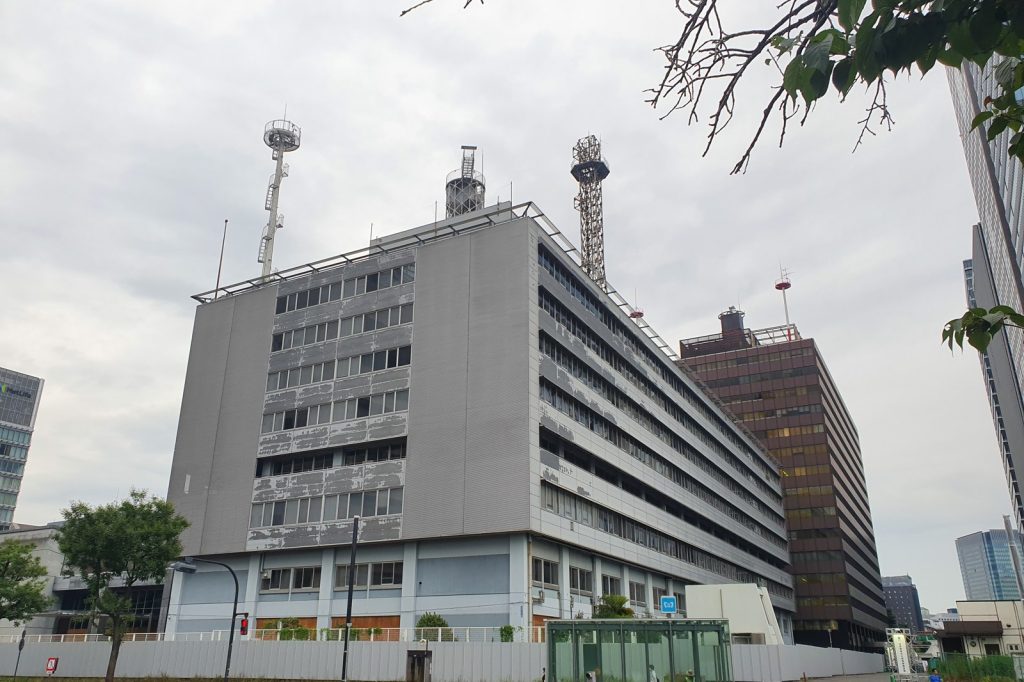
TOKYO, October 16, 2026 — The Japan Meteorological Agency issued an erroneous emergency earthquake warning predicting magnitude 9.9 shaking across Hokkaido and Tohoku before retracting it eight minutes later.
The alert was sent at 12:40 p.m. and canceled at 12:48 p.m. after officials determined the actual quake was magnitude 6.9 near the Kamchatka Peninsula, according to Nippon.com. The early-warning display showed the epicenter in the Kuril Islands at 140 km depth, while the U.S. Geological Survey placed it 76 km northeast of Ozernovskiy, Russia, at 143.2 km depth, as reported by NewsCord. The actual earthquake produced only intensity 1 shaking in Hakodate, Hokkaido, with no tsunami warning issued, per the same source.
How the Warning Was Issued and Retracted
The Japan Meteorological Agency’s Earthquake Early Warning system automatically processes seismic data from its nationwide sensor network when it detects initial, less damaging P-waves from an earthquake. Based on this data, the system estimates magnitude, location, and expected shaking intensity to issue alerts before stronger S-waves arrive. On October 16, the system triggered at 12:40 p.m. after detecting signals it interpreted as a major quake off Hokkaido’s northern coast. It projected intensity 7 shaking — the highest on Japan’s scale — for Hokkaido and Tohoku regions. Eight minutes later, after reviewing additional sensor data and confirming the actual event’s characteristics, the agency canceled the warning at 12:48 p.m., stating the real quake was magnitude 6.9 near Russia’s Kamchatka Peninsula.
Why the System Overestimated Magnitude and Location
According to the Japan Meteorological Agency, the error stemmed from applying a magnitude calculation formula designed for earthquakes occurring within Japan to a distant seismic event near the Kamchatka Peninsula. Ayataka Ebita, director of the Earthquake and Tsunami Observation Division, confirmed no cyberattack was involved and said the mistake was highly likely due to a software processing problem, as reported by both Nippon.com and NewsCord. The agency used incorrect location inputs — placing the epicenter in the Kuril Islands rather than northeast of Ozernovskiy — which led to flawed magnitude estimation. The U.S. Geological Survey independently measured the quake at magnitude 6.9 with a depth of 143.2 km, while the JMA’s initial display showed 140 km depth in the Kurils.
Impact on Transportation and Public Services
The false alert prompted immediate safety responses across rail networks. JR Central suspended Tokaido Shinkansen bullet train services between Shin-Yokohama and Toyohashi stations as a precaution, resuming operations after the warning was withdrawn, according to NewsCord. No injuries or damage were reported from the suspension. The agency emphasized that no tsunami warning was issued because the actual quake’s depth and location did not meet thresholds for tsunami generation, and NHK confirmed no significant shaking was felt in Japan beyond intensity 1 in Hakodate.
Official Response and Planned Corrective Measures
Ayataka Ebita apologized for the inconvenience caused during a news conference, stating the agency deeply regretted the error and would investigate thoroughly, per Nippon.com. The Japan Meteorological Agency said it would determine the exact cause of the software and formula misapplication and provide a detailed explanation once completed. It noted that false alarms can occasionally result from sensor noise due to equipment failure, lightning, or accidents, but stressed this case was tied to procedural misapplication rather than random noise. The agency committed to reviewing its early-warning algorithms and validation protocols to prevent similar overestimation of distant quakes in the future, though no specific timeline or technical details were disclosed in the sources.
Investigation Findings on the False Alarm
The Japan Meteorological Agency explicitly ruled out any external cyberattack as the cause of the erroneous magnitude 9.9 warning, according to statements by Ayataka Ebita, director of the Earthquake and Tsunami Observation Division. Ebita confirmed during a news conference that the agency had found no evidence of hacking or malicious interference, instead attributing the error to a “problem with the processing of computer software,” as reported by Nippon.com. This conclusion directly addressed public concerns about potential foul play.
The agency also acknowledged that false earthquake warnings can occasionally arise from sensor noise caused by factors such as equipment failure, lightning strikes, or accidents. However, it stressed that this specific incident was distinct from such random noise. The JMA determined the primary cause was the procedural misapplication of its magnitude estimation formula and location inputs for a distant seismic event near the Kamchatka Peninsula, not a sensor malfunction. The agency stated it would continue its investigation to provide a complete technical explanation of the software processing error, as noted in both Nippon.com and NewsCord reports.
JMA’s Official Response and Apology from the Earthquake and Tsunami Observation Division
Ayataka Ebita, director of the Japan Meteorological Agency’s Earthquake and Tsunami Observation Division, delivered a formal apology during a news conference, stating, “We deeply apologize for causing great inconvenience,” as reported by Nippon.com. He emphasized that the agency regretted the error and expressed sincere regret for the unnecessary alarm and disruption caused to the public and transportation systems.
Ebita confirmed that no external cyberattack had been detected in relation to the false magnitude 9.9 alert, reiterating that the mistake was not due to malicious interference but rather an internal processing issue. He stated it was “highly likely that there was a problem with the processing of computer software,” a conclusion supported by both Nippon.com and NewsCord.
The director clarified that while false alarms can occasionally stem from sensor noise caused by equipment failure, lightning, or accidents, this incident was specifically tied to the misapplication of the agency’s magnitude estimation formula and incorrect location inputs for a distant seismic event near the Kamchatka Peninsula. He noted that the agency would continue its investigation to determine the exact cause and provide a detailed technical explanation once completed.
Sources
- Japan Meteorological Agency
- Japan Meteorological Agency Retracts Warning of Huge Quake
- Japan Meteorological Agency Mistakenly Issues 9.9 Earthquake Warning, Then Cancels It: 9 outlets compared | NewsCord
Photo: Syced (CC0)




