
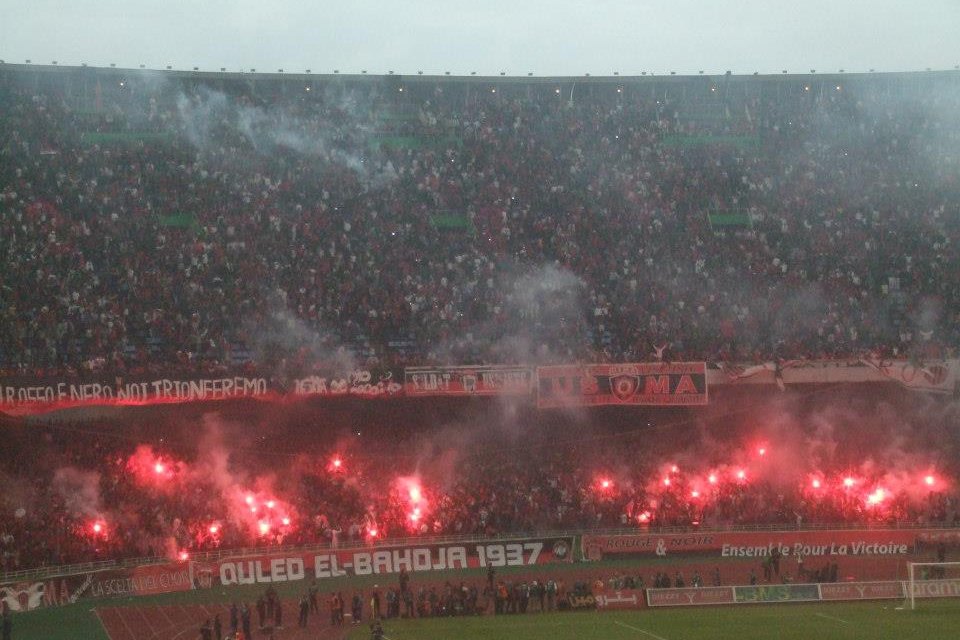
The Stade du 5 Juillet in Algiers, a stadium inaugurated in 1972 as a symbol of national pride, is now the site of a deadly infrastructure failure. On June 22, 2025, a security barrier gave way during celebrations following MC Alger’s league title victory against NC Magra. The incident resulted in three fatalities and more than 70 injuries.
The 80,000-capacity venue has a storied history. It hosted the Mediterranean Games in 1975, the All-Africa Games in 1978, and the Pan Arab Games in 2004.
It has been the stage for football matches and national celebrations. Its name commemorates Algeria’s independence date, adding symbolic weight to the tragedy. Witnesses described a scene where joy turned to panic as fans surged after the final whistle.
The barrier collapse triggered a stampede, leaving three dead and dozens injured. The stadium, a permanent concrete structure, is now at the center of a public inquiry.
Questions focus on the barrier’s maintenance and inspection history. Authorities face demands for specifics: which barrier failed, when it was last checked, and who approved its condition. The crowd management plan for a title-deciding match is also under scrutiny.
These are not abstract concerns; they are the difference between a celebration and a tragedy. Algeria has experienced crowd disasters before, and the pattern is familiar: euphoria, infrastructure failure, casualties, investigations, and often, a lack of lasting change.
However, the Stade du 5 Juillet is not a temporary structure. It is a historic venue that has hosted international athletics and football finals. Its failure raises blunt questions about safety protocols.
The three deaths and 70 injuries represent families waiting at hospitals and a city in mourning. The stadium, once a symbol of ambition, is now a crime scene in the public mind.
The management and authorities face a simple task: explain what happened in detail. Which inspection log was signed off? Which official approved the barrier’s condition? MC Alger’s title win was meant to be a celebration.
Instead, it has become a reckoning. The people of Algiers want to know why a night of triumph turned into a night of ambulances.
They seek assurances that future matches will not end the same way. A stadium is concrete and steel, but it is also trust. When a barrier fails, that trust collapses.
Rebuilding it will require more than words; it will require answers and time. The investigation is expected to focus on maintenance schedules, crowd management, and the chain of responsibility.
Until then, the Stade du 5 Juillet stands as a reminder of a celebration that turned into a tragedy.




