
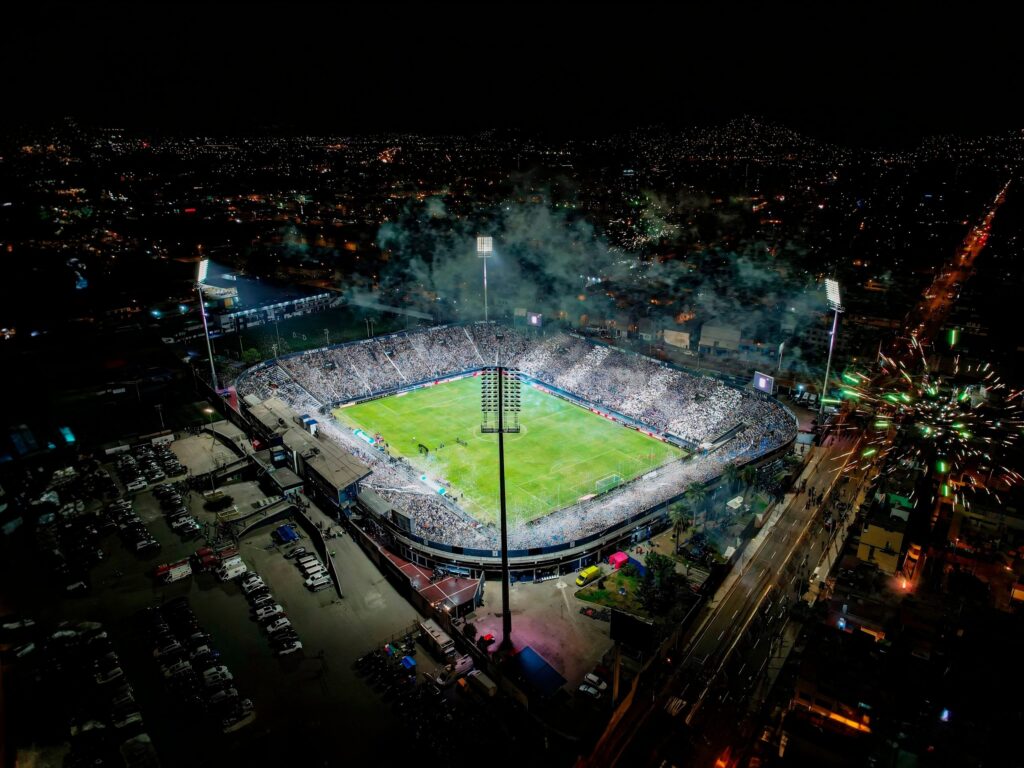
A wall collapse at the Alejandro Villanueva Stadium in Lima, Peru, on April 3, 2026, has resulted in the death of one person and injuries to at least 47 others. The incident occurred at the venue, which is owned by Club Alianza Lima and serves as a key site for Peruvian Primera División matches as well as international competitions such as the Copa Libertadores and Copa Sudamericana.
The stadium, which has a seating capacity of 33,938, is widely recognized for its fervent atmosphere during home games, earning it the nickname “La Caldera,” meaning “the Boiler.” Officially known as Estadio Alejandro Villanueva, and also referred to as Matute, the venue holds historical significance. It was registered as an alternate location for the Peru national football team during the 2018 FIFA World Cup. The stadium is named after Alejandro Villanueva, one of Alianza Lima’s most celebrated players, and remains a point of pride for the club and its supporters.
In the wake of the collapse, concerns have emerged regarding the safety and upkeep of the stadium. Authorities have launched an investigation to determine the cause of the incident, which has left fans and players questioning how such a tragedy could occur at a facility intended for entertainment and excitement. The event underscores the necessity for enhanced safety protocols and routine maintenance at sports venues.
The Alejandro Villanueva Stadium, like many large structures, requires regular inspections and maintenance to ensure spectator safety. While the specific cause of the wall collapse remains unknown, the incident highlights the need for stadium management and local authorities to take preventive measures. These actions could include comprehensive infrastructure inspections and the implementation of safety procedures to protect both fans and players.
As the Lima community and the broader football world grapple with the aftermath, there is a growing awareness of the potential hazards associated with large sports venues. The stadium is not merely a site for entertainment but also a center of community activity, making its safety a critical concern. Local authorities have announced plans for a thorough investigation into the collapse and a review of the stadium’s safety protocols, a move that is expected to provide insights into preventing similar events in the future.
Beyond the human toll, the tragedy has also sparked discussions about the environmental impact of large sports facilities. The construction and maintenance of venues like the Alejandro Villanueva Stadium require substantial resources and contribute to a significant environmental footprint. As global efforts shift toward sustainability, there is a call for sports venues to be designed and managed with environmental considerations, including the use of renewable energy, waste reduction, and sustainable operational practices. Such measures could minimize environmental impact while ensuring a safe and enjoyable experience for attendees.
The football community in Peru and internationally is now focused on preventing future incidents. Collaboration among stadium management, local authorities, and fans is essential to create a safe and sustainable venue that prioritizes the well-being of people and the planet. By learning from this tragedy and implementing concrete steps to improve safety and sustainability, the Alejandro Villanueva Stadium can aim to restore its role as a place of excitement and community gathering, where fans can enjoy the sport without concerns about safety or environmental effects. The path to recovery will require effort, but a commitment to safety, sustainability, and environmental responsibility may help the stadium emerge stronger from this event.




