
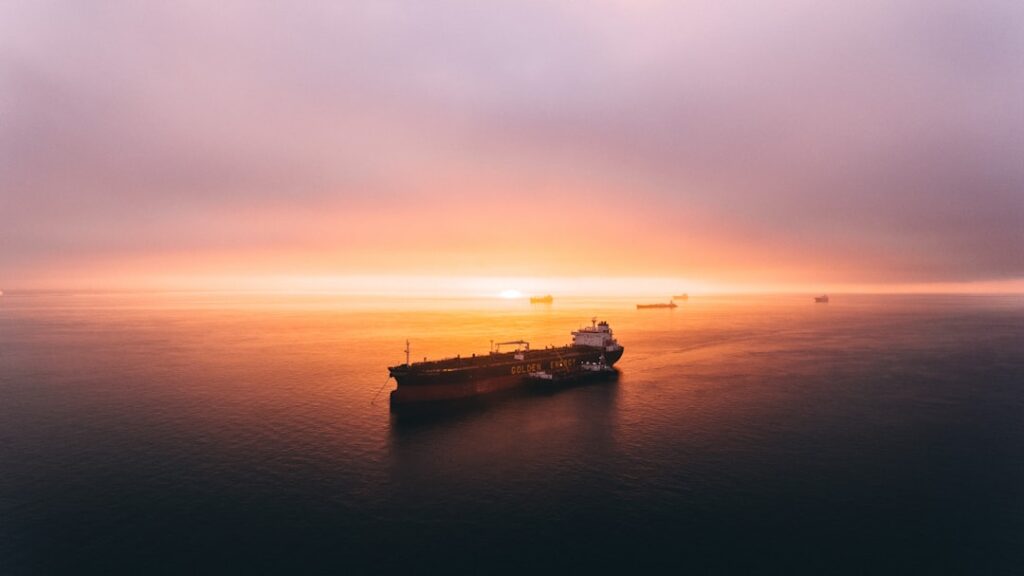
On June 22, 2025, Iran’s parliament voted to close the Strait of Hormuz, a narrow passage that handles roughly one-fifth of the global oil supply. The decision came in direct response to U.S. military strikes that Tehran has characterized as acts of aggression. Whether Iran’s armed forces will carry out the legislative order remains uncertain, but the vote has already altered calculations for oil buyers, shipping insurers, and naval forces worldwide. The strait measures just 33 kilometers across at its most constricted point.
It serves as the sole maritime exit from the Persian Gulf. A closure would force oil tankers to either remain idle or take a lengthy detour around the Arabian Peninsula—a reroute costing weeks of transit time and millions in additional fuel expenses.
China, one of the largest importers of Middle Eastern crude, is watching developments closely. Beijing has maintained diplomatic ties with Tehran for years. According to the International Energy Agency, China’s dependence on oil from the region has grown steadily.
A blocked strait would leave Beijing facing higher costs for longer shipping routes or a scramble to find alternative suppliers. Neither option is straightforward, and what has been quiet monitoring may soon shift toward a more difficult reassessment.
The U.S. Navy’s Fifth Fleet, stationed in Bahrain, has been placed on high alert. The fleet’s core mission includes keeping the strait open. If Iran attempts to enforce the closure, the Fifth Fleet would likely need to conduct minesweeping operations, escort tankers, and potentially strike Iranian coastal defenses.
Military planners in Washington recognize the operation would be substantial. The U.S. President has been contacting European leaders and key Middle Eastern partners to build a diplomatic coalition.
The military track, however, is already active. The global economic impact is arriving at a difficult moment. Oil markets react sharply to uncertainty, and a legislative move to close the world’s most critical chokepoint injects significant instability.
Prices are expected to rise, affecting consumers at the pump and industries dependent on petrochemicals. Major importers such as Japan, India, and South Korea have limited alternatives.
Strategic petroleum reserves exist but are not unlimited. Insurance premiums for tanker transits through the region are likely to increase. Shipping companies are recalculating risk, and some may refuse to enter the Gulf altogether—creating a de facto blockade even before any Iranian mines are deployed.
The international community is observing the situation, but observation alone does not constitute action. The strait is narrow enough that a single sunken vessel could block it entirely.
Iranian lawmakers, the Fifth Fleet, and oil traders in London and Singapore all understand this reality. The parliamentary vote sends a clear signal. What follows depends on whether any party chooses to back down.




