
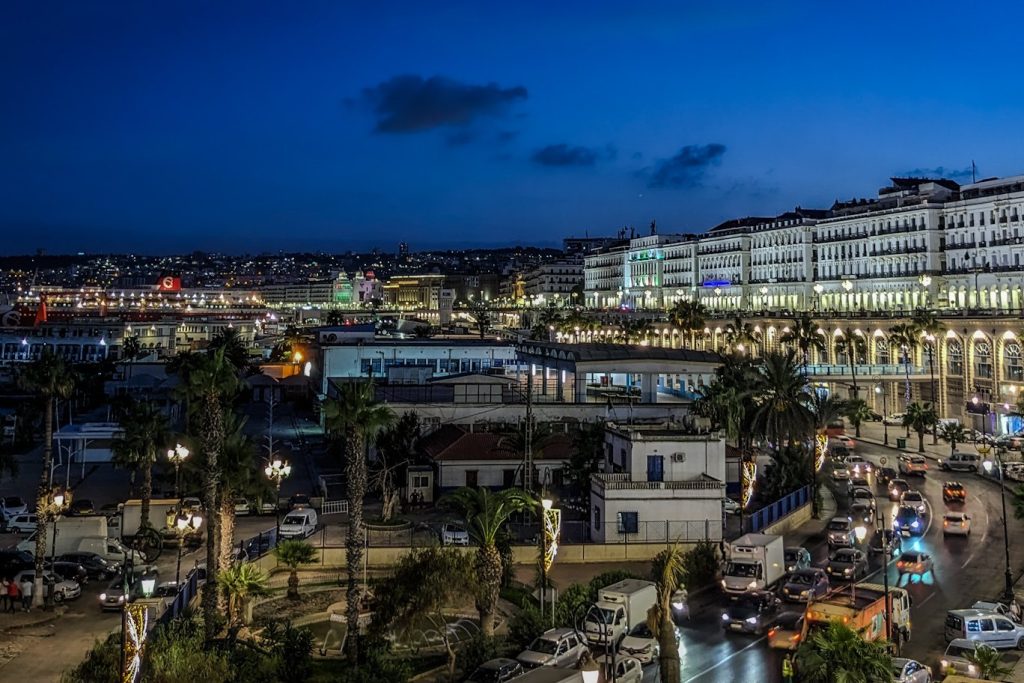
On August 15, a public bus careened off a winding mountain road and fell into a valley on the outskirts of Algiers, killing 18 passengers and leaving nine others with injuries. The tragedy has shaken a city of 4.325 million residents that relies heavily on buses to move people through its narrow, steep corridors between the Bay of Algiers and surrounding hills.
Algiers’ geography, while strikingly beautiful, is also unforgiving. The region’s rugged terrain forces daily commuters onto curving routes that hug cliffs and descend into deep ravines. Public transport is a lifeline for many who cannot afford private cars, and the loss of confidence in that system is now palpable.
Emergency crews arrived quickly, and nearby residents rushed to the scene to assist the victims, demonstrating the strong communal spirit that characterises the capital. Yet, as the report notes, community goodwill cannot replace the need for safer infrastructure.
Authorities have opened a formal investigation, a routine step that will examine possible mechanical faults, driver error, and the condition of the road itself. Road safety in mountainous areas has long been a concern for Algerian officials, but the scale of this accident—18 fatalities—has elevated the issue to a pressing priority. The city, a historic hub shaped by Ottoman and French influences, depends on the smooth flow of goods and people.
When a bus plunges into a valley, commerce stalls, commutes are disrupted, and public trust in transport networks erodes. The same report also references Algiers’ broader infrastructure ambitions, citing plans to expand solar and wind power as part of a shift toward renewable energy.
While the energy agenda may seem unrelated to a bus crash, both sectors share a common requirement: sustained investment and strategic planning. Neglect in one area—such as road safety—can have immediate, fatal consequences, whereas progress in renewable energy addresses longer‑term energy security. Families of the 18 victims are now in mourning, and nine injured passengers remain hospitalized. The city’s response, described as “overwhelming” in the source, reflects a deep‑rooted sense of solidarity.
However, officials face the challenge of translating that solidarity into concrete measures that prevent future accidents. Algiers’ mountainous landscape will not change, but the manner in which the city navigates it can.
The investigation’s findings will be crucial for determining whether the crash resulted from vehicle failure, human error, or inadequate road conditions. Until definitive answers emerge, the daily operation of buses along the same perilous routes continues to pose a risk. Historically, Algiers has endured wars, colonisation, and rapid urban growth.
The current crisis adds another test: whether the city can learn from this loss and implement robust safety upgrades. The tragedy underscores that infrastructure—whether roads, public transport, or power grids—must be developed holistically.
Prioritising road safety alongside renewable‑energy projects is not a competition of resources but a coordinated effort to protect citizens and sustain economic activity. With eighteen lives lost and many more affected, the incident serves as a stark reminder that neglecting road safety can have fatal outcomes. The coming weeks will reveal how Algiers balances immediate remedial actions with its longer‑term development goals, aiming to restore confidence in a system that many residents depend upon daily.




