
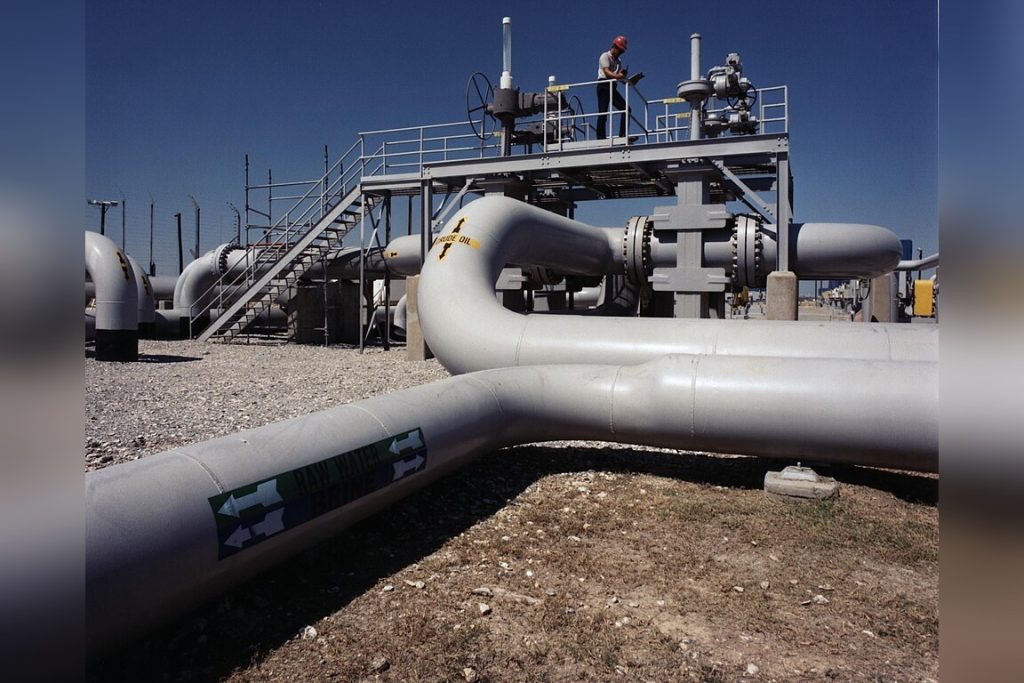
TOKYO, July 13 — 470 million barrels of crude oil sit in Japan’s Strategic Petroleum Reserve, equivalent to 200 days of import cover. That figure underscores the scale of the buffer Tokyo has built against supply disruptions in the Strait of Hormuz. Japan imports 90% of its crude oil from the Middle East, with 80% of that volume transiting the strait.
South Korea depends on the same chokepoint for 70% of its oil imports. India, the world’s third-largest oil consumer, sources 60% of its crude from the region.
All three nations are members of the International Energy Agency, the body that coordinates emergency stockpile releases among its member states. The toll and blockade that began on July 2, 2025, has now drawn expressions of concern from all three governments. Each faces a different level of strategic vulnerability, shaped by the size of its reserves and the speed at which it can pivot to alternative suppliers.
Reserve depth varies sharply across the three importers
Japan’s 470-million-barrel reserve gives it the longest cushion among the three. South Korea holds 213 million barrels in its Strategic Petroleum Reserve, equivalent to 90 days of imports. India’s reserve is far smaller at 38 million barrels, covering 9 days of imports, though it is expanding.
The disparity in reserve depth means that India faces the most immediate pressure to secure alternative supply arrangements. South Korea and Japan have more time to negotiate, but the clock is ticking for all three.
Alternative supply routes face logistical and contractual limits
The toll may force these nations to seek crude from the United States, Russia, or West Africa. But logistics and existing contract terms limit how quickly such shifts can happen. Tanker availability, port infrastructure, and long-term offtake agreements all constrain the pace of diversification.
The IEA’s 2024 report assessed global spare oil production capacity at roughly 4 million barrels per day, with most of that slack concentrated in Saudi Arabia and the United Arab Emirates. That figure, the agency noted, is insufficient to fully replace a complete closure of the Strait of Hormuz.
For now, the three Asian importers are drawing down reserves while their governments assess diplomatic and commercial options. The IEA has not yet triggered a coordinated emergency release, but the agency’s framework allows member states to act individually under domestic law. Japan, South Korea, and India all have that authority.
What remains to be seen is how quickly alternative supply chains can be activated — and whether the 4-million-barrel-per-day spare capacity cushion will prove adequate if the strait remains blocked for weeks rather than days. The next IEA emergency meeting may provide the first clear signal of collective action.
Sources
{“@context”: “https://schema.org”, “@type”: “NewsArticle”, “headline”: “Allied Nations Japan, South Korea, India Face Energy Risks”, “description”: “TOKYO, July 13 — 470 million barrels of crude oil sit in Japan’s Strategic Petroleum Reserve, equivalent to 200 days of import cover. That figure…”, “datePublished”: “2026-07-13T09:30:00+00:00”, “author”: {“@type”: “Person”, “name”: “Li Wei”}, “publisher”: {“@type”: “Organization”, “name”: “InfoPulse Today”, “url”: “https://newsfeed.infopulsetoday.com/”}, “citation”: [{“@type”: “CreativeWork”, “url”: “https://en.wikipedia.org/wiki/Energy_security”}]}




