
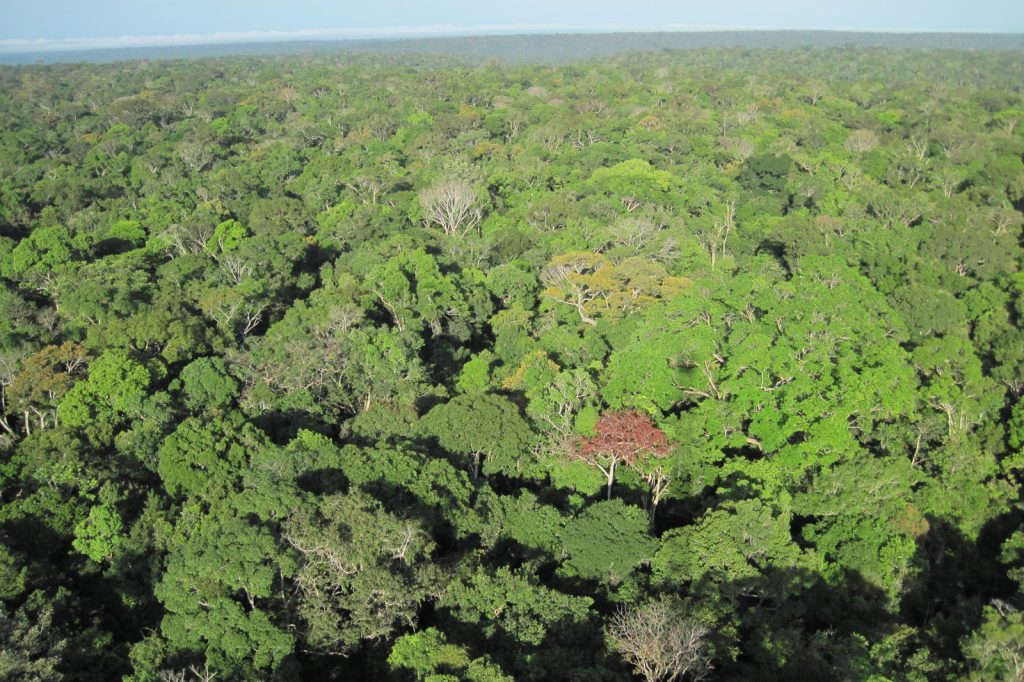
SAO PAULO, July 29 — Hundreds of previously unknown pre-Columbian structures have been detected beneath the Amazon rainforest canopy, the product of a lidar survey that paints a picture of a far more populous and industrious ancient civilisation than most historians had allowed. The findings, announced by a multinational team including researchers from the University of São Paulo, the University of Florida and the French National Centre for Scientific Research (CNRS), reveal geometric earthworks, roads and fortified settlements.
One researcher stated: “The scale of the archaeological record suggests that many other regions across Amazonia may have been far more densely populated and intensively modified than previously assumed.”
Under the Hood of the Discovery
The technical reality behind the announcement is familiar to anyone who has followed remote sensing archaeology: lidar — light detection and ranging — bounces laser pulses off the ground through gaps in dense foliage, producing a bare-earth digital model. What it has delivered here is a network of structures that would have been invisible to conventional survey.
The exact number of features is described only as “hundreds”; specific counts have not been released, and the research team has not yet submitted a peer-reviewed paper, the news arriving instead through a press release and media interviews. This is not the first hint of large-scale human modification in the basin.
The geoglyphs of Acre in Brazil, first reported in 2018, had already suggested widespread earthmoving. The detail that matters now is scale: the new data indicate that the footprint of ancient settlement and land management may run far deeper than even those earlier discoveries implied.
Challenging the Pristine Wilderness Narrative
For decades, the Amazon was commonly described as a pristine wilderness sparsely inhabited by small, nomadic groups. That view has been eroding steadily; the new evidence may finish the job. Previous estimates put the pre-Columbian population of the Amazon between six and eight million people.
The fresh lidar results, though not yet quantified in a formal study, suggest that number could rise substantially. The Brazilian Amazon alone covers approximately 4.2 million square kilometres.
If large portions of that area were densely settled and intensively managed, the implications reach beyond archaeology. Understanding how ancient peoples altered the forest composition and biodiversity matters for conservation policy today — and for indigenous land rights, which are often contested on the premise that the forest is “natural” and therefore unowned.
What Comes Next
Ground surveys are planned to confirm and study the structures in detail. The technology has done what it can from the air; the next step requires boots on the forest floor, and the patient work of excavation and dating. For now, the announcement stands as a reminder that the Amazon’s past — and the societies that shaped it — remain far more complex than the old textbooks allowed.




