
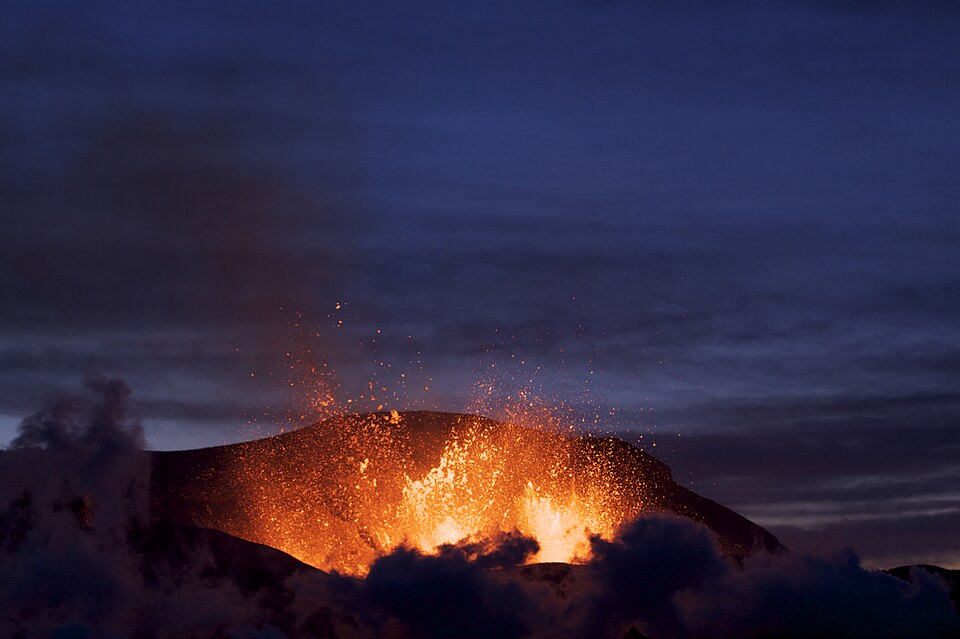
Anak Krakatau erupted without a break for about 25 hours, from late on September 4 until early on September 6, throwing an ash plume as high as 50,000 feet (15 km). Lava fountained from the crater of the volcano in Indonesia’s Sunda Strait.
The ash hit air travel hard. Six regional airports were temporarily closed, Jakarta’s main international hub among them, according to a Surfer report carried by Yahoo. More than 300 flights were grounded. A separate account from Connect Gujarat put the toll higher, saying thousands of flights were affected and hundreds of thousands of passengers faced cancellations and delays. Booming blasts and ground tremors were felt across Java and Sumatra.
Residents of Banten and Lampung provinces, on either side of the strait, were frightened, and for a reason. In December 2018 part of the volcano’s flank slid into the sea and set off a tsunami that struck without any early seismic warning. It killed more than 400 people.
Indonesia’s Geological Agency says that is not what is happening now. Its head, Lana Saria, said the eruption has ended and the volcano has gone back to Strombolian activity. “Following the end of that episode, Mount Anak Krakatau’s volcanic activity transitioned back to Strombolian eruption characteristics,” she said. The agency also said the cone has grown only a little since 2018, and that “there is no potential for a collapse large enough to trigger a tsunami.”
The volcano stays at Level III (Siaga/Alert). Officials have kept an exclusion zone in place and say people, including tourists and climbers, should keep out of the three-kilometer danger radius. They list ash, lava flows and volcanic rocks as the hazards. Volcanic tremors are continuing, and authorities have told coastal residents to stay calm, wear protective masks against ash and not pass along unverified rumors.
Anak Krakatau, the “Child of Krakatoa,” sits where the original Krakatoa blew apart in August 1883. That blast is widely cited as the loudest sound in recorded history and was heard more than 3,000 miles away. The tsunamis it produced killed more than 36,000 people, according to the Surfer report.
Sources
- Indonesia’s Anak Krakatau Erupts for 25 Hours, Volcanic Ash Disrupts Flights – Connect Gujarat
- Anak Krakatau Erupts for 25 Hours in Indonesia, Reigniting Mega-Tsunami Fears (Video)




