
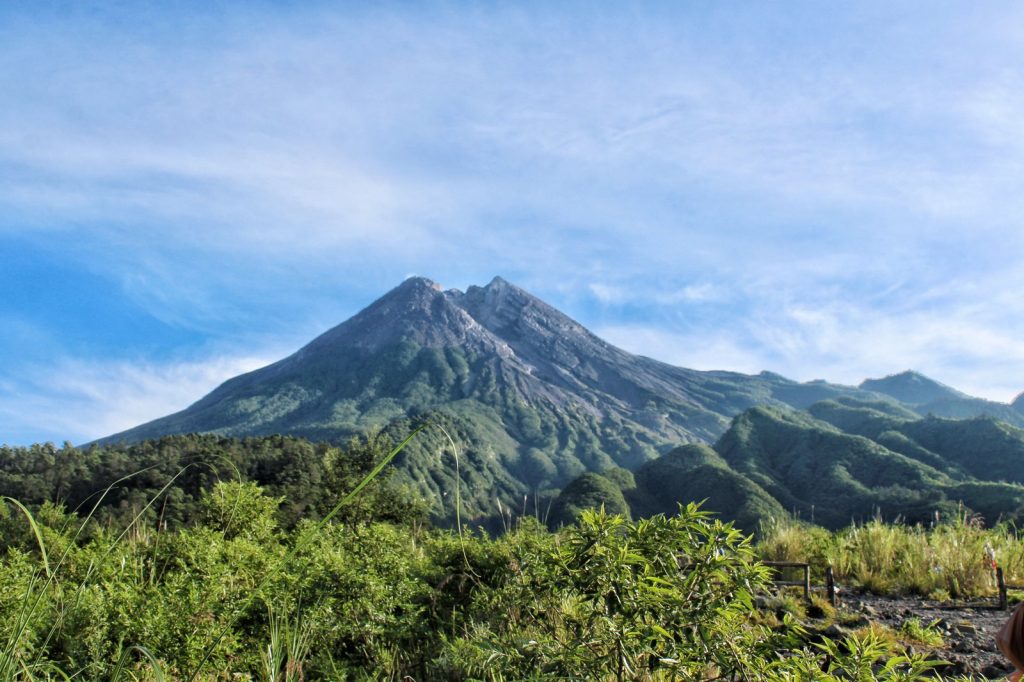
Indonesia counts more than 130 active volcanoes across its thousands of islands. Mount Semeru, the “roof of Java,” erupted again and pulled the country’s attention back to them. The explanation sits in the ground: Indonesia is part of the Pacific Ring of Fire.
Where the plates meet
Three tectonic plates, the Indo-Australian, the Eurasian and the Pacific, converge beneath the region. They grind and collide all the time. Where one slides under another, a process called subduction, heat and pressure produce magma that rises and builds volcanoes in a long arc.
That arc made much of the country’s shape. It raised volcanic ranges across Java, Sumatra, Bali and Nusa Tenggara, and carved deep trenches like the Java Trench. It also produces some of the strongest earthquakes in the world. Crater lakes, steep cliffs and rugged mountains are all left over from that tension.
Danger and payoff
The risks are plain: eruptions, ashfall, earthquakes, tsunamis. The same forces pay back, though. Ash and minerals from eruptions break down into rich soil, which is one reason Java, home to many active volcanoes, supports vast rice fields, plantations and farmland feeding millions. Heat under the volcanic systems forms natural reservoirs that can be tapped for geothermal power, and Indonesia is a global leader there.
Culture follows the mountains too. Merapi in Central Java is tied to old beliefs about guardianship and balance. The Tengger people of East Java make ceremonial offerings to Bromo during Yadnya Kasada. In Bali, Mount Agung is a spiritual axis in Balinese cosmology.
The big ones, and the warning system
Krakatau’s 1883 eruption sent shockwaves around the world and affected global climate. Lake Toba formed in a super-eruption thousands of years ago, among the largest in Earth’s history. Merapi erupts so often that it ranks among the most closely watched volcanoes on the planet.
Indonesia runs a structured alert system that ranges from Normal to Awas. Authorities and residents use it to prepare for changes, and it allows timely evacuations when they are needed. Millions of Indonesians live with it as part of daily life.




