
“I am still scared. I cannot sleep soundly, because I am afraid that another tsunami might strike,” said Yeni, a South Lampung resident who lost her home when a volcanic tsunami hit the Sunda Strait coast on December 22, 2018.
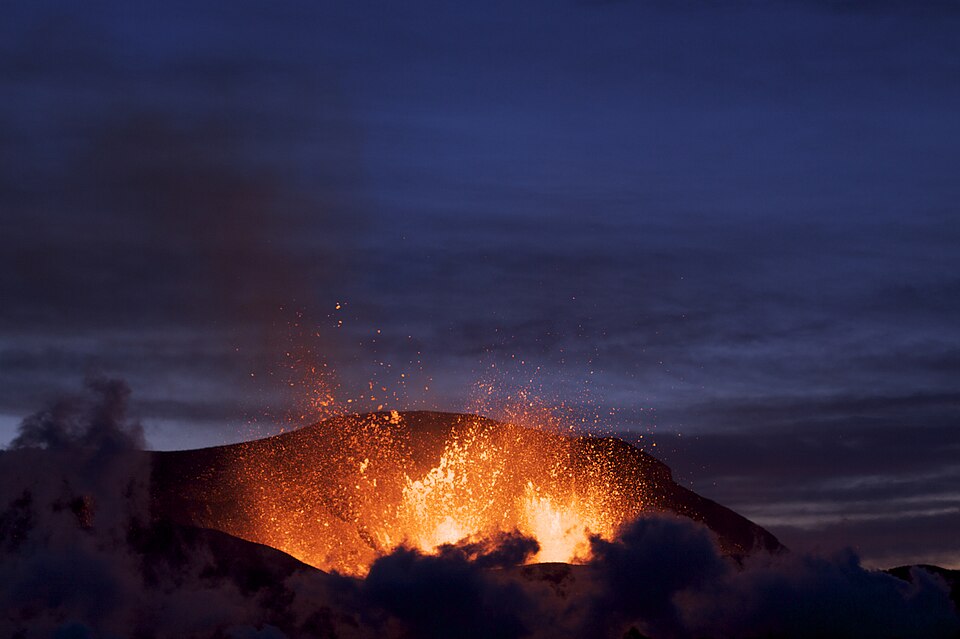
She and her neighbor Rini Hartati used to watch Anak Krakatau from their houses on the shore. The volcano had been erupting in fits since June 18, 2018, under an alert level 2, and villagers liked the show, especially at night, when the red magma looked like firecrackers. Authorities paid it little special attention.
That changed on the evening of December 22. Images from the European Space Agency’s Sentinel-1 satellite, cited by National Geographic, show the volcano’s 64-hectare southern flank sliding into the sea. About 20 minutes later a wall of water came ashore with no early warning, sweeping away boats, tables and people along the coast of Lampung in Sumatra and Banten in Java.
The tsunami struck five districts: Pandeglang and Serang in Banten, and South Lampung, Tanggamus and Pesawaran in Lampung. The death toll reached 437, with 23 people still missing. Another 14,059 were injured and 33,721 displaced.
The mountain itself shrank from 338 meters above sea level to 110. Getting back to its old height could take 50 years. It had first risen above the sea in 1929 and had been growing at an average of 13 centimeters a week since the 1950s, about 6.8 meters a year. Its parent, Krakatoa, erupted in 1883 with a blast that affected the global climate; its tsunami waves reached 37 meters and destroyed 295 towns and villages, and 36,417 people drowned.
By January 2019 the authorities had raised the alert to level 3 and barred anyone from coming within five kilometers of the crater. On January 7 the volcano registered 28 eruption quakes in 12 hours, Windi Cahya Untung of the PVMBG observation post said on January 8. The volcano was likely to trigger more landslides, the report said, as seismographs kept recording activity.
The government started building protections. BMKG head of earthquake and tsunami Rahmat Triyono said six seismographs were installed around the volcano, and water level sensors went into 16 piers, including Sebesi Island, Merak and Bakauheni, feeding real-time data to a BMKG server. Coordinating Minister for Maritime Affairs Luhut Binsar Panjaitan said early warning systems would go on three small islands near the volcano.
President Joko Widodo visited victims in South Lampung and promised new houses for those whose homes were destroyed, to be built at least 400 meters from the coast, closer to Mount Rajabasa. For Rini and Yeni, still in temporary shelters, that was not yet enough to go home.




