
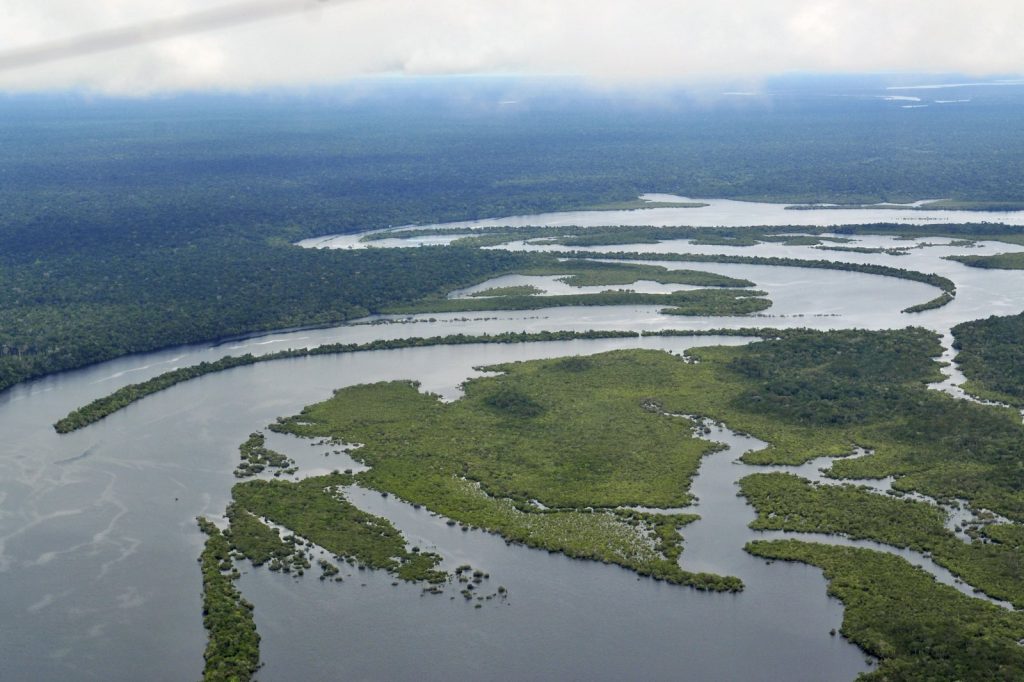
BRASILIA, July 29 — The discovery that pre-Columbian populations inhabited the Amazon more densely and modified it more intensively than previously understood carries direct economic and regulatory consequences for Brazil. Beneath the canopy of the world’s largest rainforest lies an archaeological record that challenges the convenient assumption of a pristine, sparsely populated wilderness.
The technical reality is that projects such as the Trans-Amazonian Highway, construction of which began in 1970, and the massive soy and cattle operations that have followed, have long proceeded on the basis that the forest was essentially untouched before modern encroachment. That assumption is now being dismantled site by site.
Under the hood of environmental regulation, this matters because the Brazilian Forest Code — Law No. 12,651, enacted in 2012 — requires landowners to preserve a minimum percentage of native vegetation. The question of what constitutes ‘native’ versus ‘anthropogenic’ forest may now require careful revision.
The Pristine Myth and Its Legal Teeth
As ever, the detail that matters is in the definition. If the forest is a human artefact in significant parts, the baseline for environmental impact assessments shifts. Regulators in the Amazon may need to demand more rigorous archaeological surveys before clearing permits are issued.
The presence of archaeological sites can already trigger heritage protection laws, which have the power to halt or delay development projects. Developers who had counted on a fast track through untouched terrain may find themselves facing legal delays and costly mitigation.
That is not an abstract risk. In 2023, Brazil’s soybean exports totalled over $50 billion and beef exports over $10 billion. A significant portion of those commodities come from the Amazon region.
International purchasers, already under pressure from environmental and human rights scrutiny, are likely to take notice of findings that tie deforestation to the destruction of cultural heritage. The economic thread that runs from an Amazonian geoglyph to a supermarket shelf in Europe is now more visible — and more fragile.
Heritage, Tourism and the Cost of Preservation
There is a counterpoint in the numbers. Archaeological parks already exist in the Amazon — the geoglyph sites in the state of Acre, for example — and they attract visitors, generating local income. Tourism offers a revenue stream that does not require razing the canopy.
But the cost of preservation is a recurring burden, and the security needed to protect sites from looting is an ongoing challenge. The economic impact of the new findings is measurable but has not yet been quantified for the specific sites involved.
The regulatory framework will now be tested. The Brazilian Forest Code’s definition of native vegetation may face legal challenges from both conservationists and landowners. The former will argue that modified forests are still ecologically valuable; the latter may seek to exploit the new evidence to argue that human use of the land is a historical norm, and thus that current preservation requirements are excessive.
The courts will have to decide where the burden of proof lies. Looking ahead, the combination of heritage protection laws, export market scrutiny, and archaeological discovery will make the Amazon a more complex regulatory environment than it was a decade ago.
The detail that matters is that the forest’s past is now a factor in its future — and the economic calculus has not yet caught up with the archaeology.




