
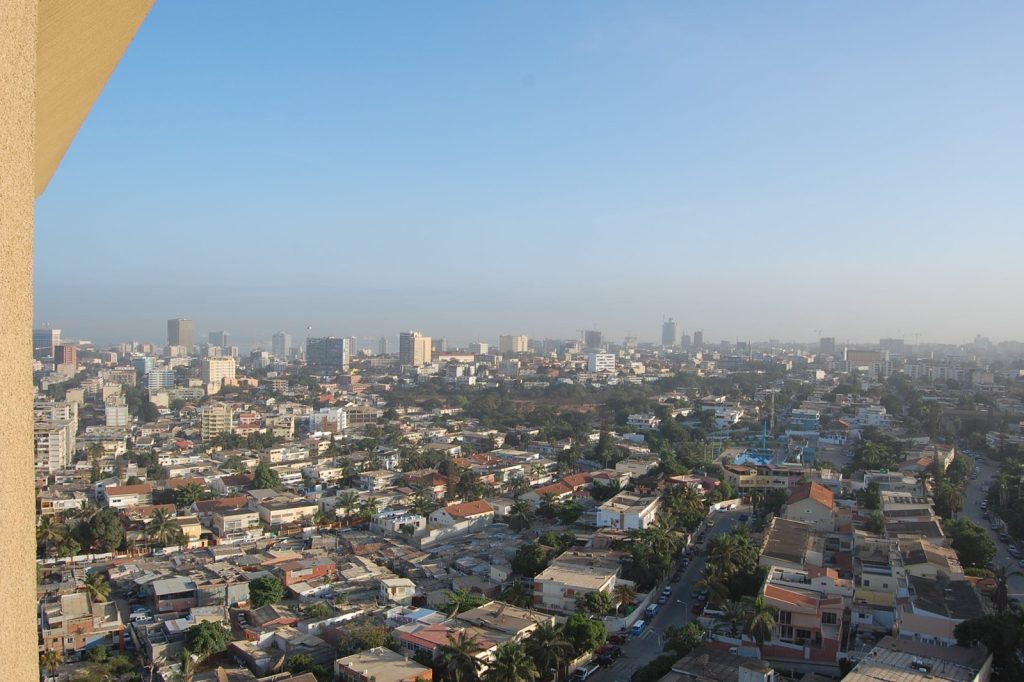
In the aftermath of a severe storm that struck Angola over the past 24 hours, authorities have confirmed 15 deaths, 14 injuries, and five people missing. The capital city of Luanda accounts for three of the missing individuals, while two remain unaccounted for in Benguela.
The heavy rainfall, which did not relent, overwhelmed Luanda’s drainage system, a network designed for typical weather conditions but unable to handle the intensity of this extreme event. The storm transformed streets in Luanda, a city of millions, into fast-moving waterways. Water inundated the infrastructure built to manage runoff, exposing a critical gap between existing systems and the demands of increasingly severe weather. While heavy seasonal rainfall is common along Angola’s western coast in Southern Africa, and flooding is not unprecedented, the scale and speed of this event have highlighted vulnerabilities in the region’s preparedness.
Search and rescue operations are now the primary focus across two provinces. In Luanda, teams are scouring flooded areas for the three missing residents.
In Benguela, efforts are concentrated on locating the other two. Time is a critical factor, as each passing hour diminishes the likelihood of finding survivors. The coordination of these operations involves different regions with varying teams and resources, testing communication and collaboration between them.
The economic consequences are already evident. Damage to property is not a future concern but a current reality.
Homes, businesses, roads, and vehicles have been damaged or destroyed. Daily life has been disrupted, with work halted, commerce stalled, and schools closed. The financial impact will be measured in lost wages, damaged goods, and interrupted productivity, delivering a direct blow to Angola’s growing economy.
As the second-largest Portuguese-speaking country by area and population, Angola’s economic stability depends on consistent conditions, which extreme weather events undermine. This disaster underscores the necessity of investments in flood mitigation.
Robust drainage systems are one component, but early warning systems are equally vital. Residents need timely information on when to evacuate, where to go, and what actions to take before floodwaters rise. The current death toll suggests such warnings may not have reached those affected in time.
Infrastructure improvements are a long-term solution, requiring years of work, significant funding, and sustained political commitment. The question now is whether the loss of life in Luanda and Benguela will prompt government action or be forgotten once floodwaters recede.
Angola’s geography, with its western coast, seasonal rains, and low-lying areas, ensures that extreme weather remains a constant. What can change is the level of preparation, the effectiveness of response, and the allocation of resources. This storm has tested those systems, and the results are sobering: 15 dead, 14 injured, and five missing.
The next storm is inevitable. Whether the country will be ready remains uncertain.




