
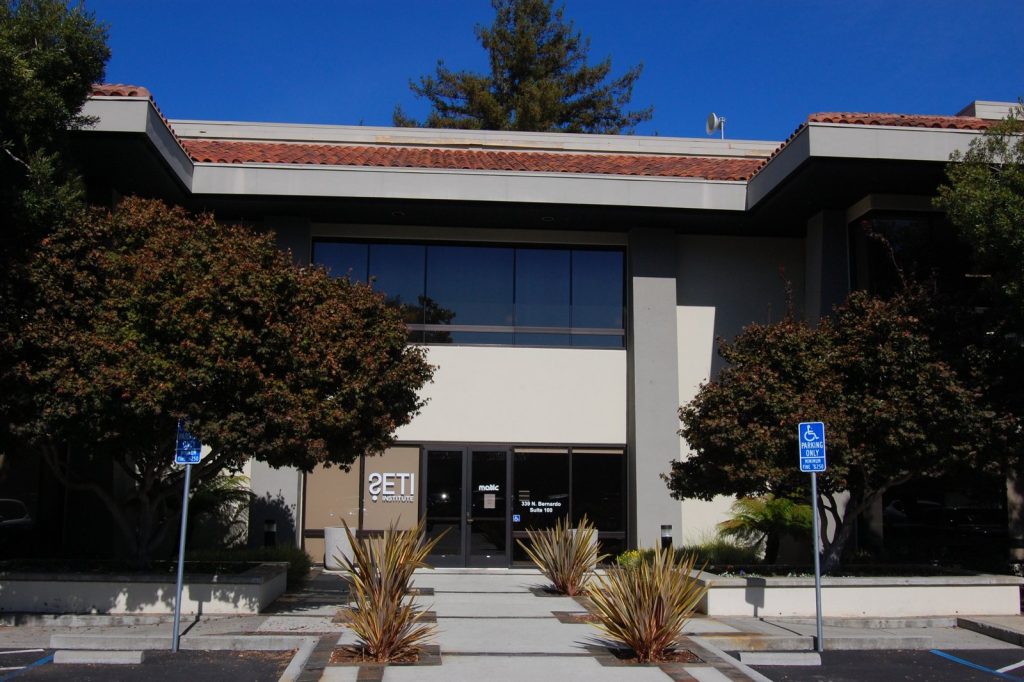
The “Beyond Fermi’s Paradox” series has reached its eighteenth installment, and the question it poses this time is not about why the silence exists, but what happens when it breaks. The answer, according to the researchers and astrobiologists cited in the report, is that we are not ready for a clean answer. We are ready for a mess.
The core assumption under fire is the tidy narrative of first contact. Pop culture sells a neat package: a signal, a translation, a handshake.
The scientific reality, as laid out in the series, is closer to a long, frustrating game of telephone with a party that may not even know we are calling. The report describes the moment of detection as “messy, ambiguous, and almost certainly confusing.” That is the key takeaway. The public should brace for ambiguity, not revelation.
Consider the scenario the series walks through. It is not a message from a wise alien race.
It is a “non-human technological signature.” A pulse. A modulation. A pattern that says only one thing: “something made this.” That is the sum total of the data.
A single, undeniable fact of manufacture, with no context, no intent, no meaning attached. This is not a conversation starter. This is a rock with a carving on it, found in a desert, with no idea who carved it or why.
The practical consequences of such a detection are laid out with a cold precision. The researchers who would handle this have protocols.
The report states they would “verify, re-verify, and then share the data with observatories around the world.” This is not a quick process. It takes weeks, possibly months. The public, according to the series, would likely hear about it only after that confirmation.
And even then, the message would be indecipherable. The series does not promise a translation.
It promises a long wait for a puzzle with no known solution. The analogy the report uses is effective. Imagine standing in a vast, empty desert.
You have been listening your entire life. Then you hear a faint, rhythmic tapping. You do not know what is making it, where it is coming from, or what it wants.
That is the position we are in. The tapping is the only fact.
The rest is speculation, and the series is clear that speculation is not science. Where this leads is to a fundamental shift in how we think about contact. The old model was a broadcast we happen to catch.
The new model, driven by recent thinking among astrobiologists and SETI researchers, is a detection of a technological artifact. It is a shift from listening for a message to looking for a footprint.
The report frames this as a serious shift in planning. It is no longer about what the aliens will say. It is about whether we can even recognize the evidence of their existence for what it is.
The silence of the Fermi Paradox has been the dominant question for decades. This installment of the series suggests the answer may not be a grand announcement. It may be a single, baffling data point that forces us to admit we do not know what we are looking at.
The report does not offer comfort. It offers a clear-eyed look at the procedural reality of a discovery that would change everything, but change nothing immediately.
The tapping continues. We are still in the desert.
{“@context”: “https://schema.org”, “@type”: “NewsArticle”, “headline”: “Astrobiologists Warn Humanity Is Unprepared for ‘Messy’ First Contact”, “description”: “The “Beyond Fermi’s Paradox” series has reached its eighteenth installment, and the question it poses this time is not about why the silence exists, but…”, “datePublished”: “2026-06-25T10:43:00+00:00T09:30:00+00:00”, “author”: {“@type”: “Person”, “name”: “Sebastian Smith”}, “publisher”: {“@type”: “Organization”, “name”: “InfoPulse Today”, “url”: “https://newsfeed.infopulsetoday.com/”}}




