
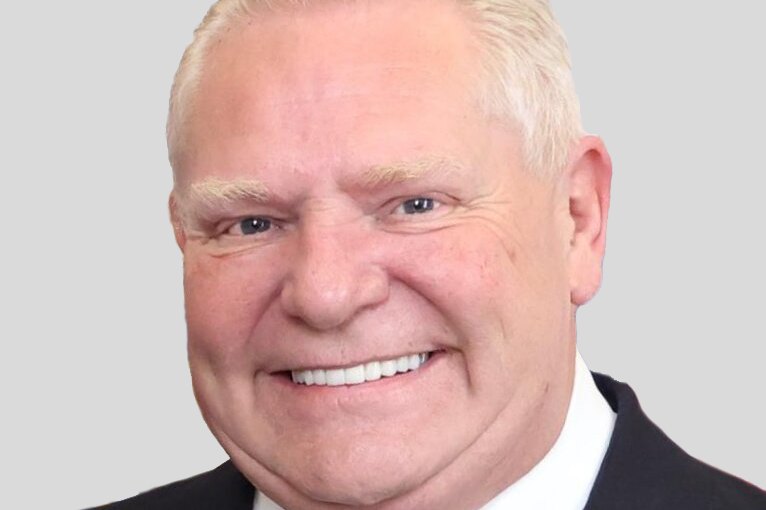
The future of Ontario’s Ring of Fire — a massive deposit of minerals critical for electric vehicles and clean energy — now hinges on a bitter public dispute over who has paid what. The federal government says it has spent millions. Premier Doug Ford says Ottawa has given “zip, zero, zilch.” At stake is not just pride.
The region, 500 kilometres northeast of Thunder Bay in the James Bay Lowlands, contains minerals essential for batteries and other green technologies. Without infrastructure — roads, power lines, community facilities — extraction cannot begin.
And without a clear funding picture, investors and Indigenous communities may struggle to plan. The federal rebuttal came in response to questions from Canada’s National Observer. A Natural Resources Canada spokesperson detailed money already flowing.
Since 2009, the Economic Development Agency for Northern Ontario (FedNor) has delivered $17.8 million through its Northern Ontario Development Program. That paid for 26 projects supporting regional planning and community readiness.
Some of that work directly helps communities prepare for Ring of Fire opportunities — planning studies, training programs, hiring staff. The province has committed roughly $1 billion, Ford said last week. He demanded Ottawa match that.
The federal spokesperson countered that up to $1.5 billion remains available for mining and infrastructure projects in the region. Two grants have also gone out through Natural Resources Canada’s First and Last Mile Fund, supporting Indigenous community engagement with proposed critical-mineral infrastructure. The technical reality is modest but not zero.
The $17.8 million in FedNor funding is a small fraction of what a full road or power line would cost. Yet it represents years of groundwork — the kind of preparatory spending that rarely makes headlines but determines whether larger investments ever happen.
Ford’s blunt language — “zip, zero, zilch” — suggests he wants a fight. The federal government’s detailed accounting suggests it wants a different story told. Neither side is wrong in absolute terms.
The province has put up a billion. The feds have put up millions, with promises of billions more contingent on project approvals.
The gap matters because the Ring of Fire has stalled for years. Remote, swampy, expensive — the region has defeated multiple development timelines. Past attempts collapsed over cost disputes, environmental reviews, and disagreements with First Nations.
The current clash between Queen’s Park and Ottawa risks repeating that pattern. Indigenous communities in the region have waited through decades of studies and promises. They need roads to lower the cost of food and fuel, and they need jobs.
But they also need clarity on who pays and when. A public funding spat does not provide that.
The federal spokesperson confirmed that some of the $17.8 million went to community readiness — helping First Nations hire planners or prepare studies. That is tangible, if small. But it is not the billions needed for a permanent road across peatlands and rivers.
Ford’s demand for infrastructure cash is straightforward. The federal response is equally direct: money has been spent, and more is available.
The question is whether either side will move beyond trading numbers and toward a deal that actually breaks ground. The Ring of Fire contains what the world wants for the green transition. Getting it out requires something more basic: two governments agreeing on what they have already done, and what they will do next.
{“@context”: “https://schema.org”, “@type”: “NewsArticle”, “headline”: “Federal, Ontario governments clash over Ring of Fire funding claims”, “description”: “The future of Ontario’s Ring of Fire — a massive deposit of minerals critical for electric vehicles and clean energy — now hinges on a…”, “datePublished”: “2026-06-25T18:42:00+00:00T09:30:00+00:00”, “author”: {“@type”: “Person”, “name”: “Noah King”}, “publisher”: {“@type”: “Organization”, “name”: “InfoPulse Today”, “url”: “https://newsfeed.infopulsetoday.com/”}}




