
Nobody saw it hit. A four-tonne Falcon 9 upper stage was calculated to strike the Moon at about 06:35 UTC on August 5, and NASA’s Center for Near Earth Object Studies had rated the chance of impact at 100 percent before it happened. No telescope recorded the moment.
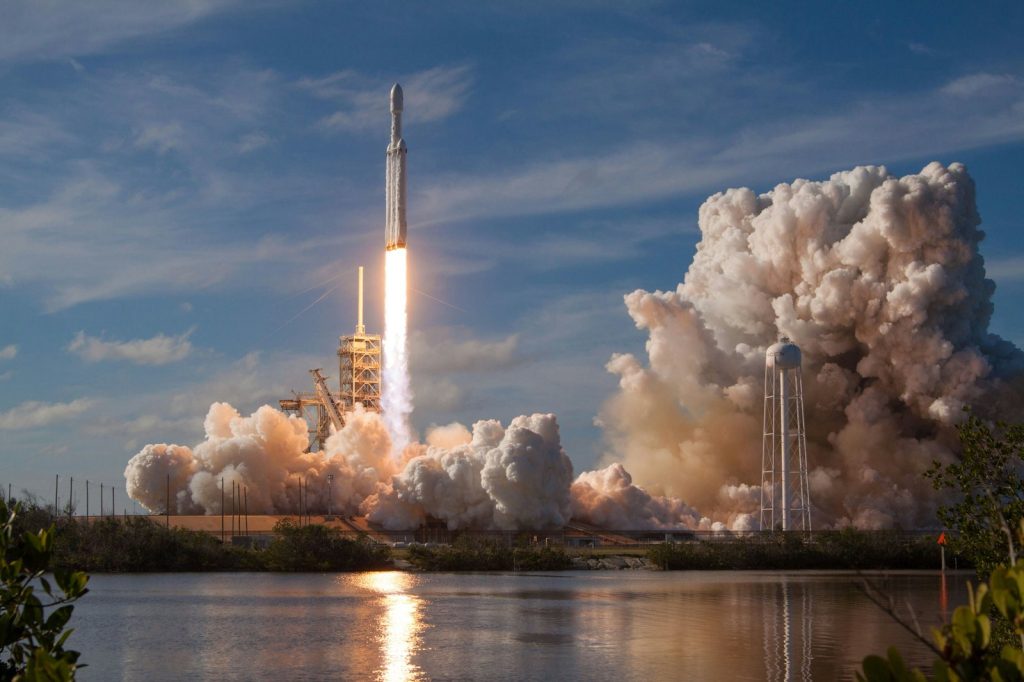
The stage, designated 2025-010D, was left over from a launch on January 15, 2025, from Kennedy Space Center. That flight carried Firefly Aerospace’s Blue Ghost 1 and ispace’s Resilience landers to the Moon. After they separated, the stage had no controlled destination and drifted in a distant orbit, tugged by Earth, the Moon and the Sun.
How Gray found it
Independent astronomer Bill Gray, who runs the Project Pluto software venture, linked the tracked object to that launch and worked out where it would land. He used observations from asteroid surveys and amateur astronomers; more than 1,000 of them went into rebuilding the path. He expected the stage near the Moon’s western limb, give or take a few minutes either side of 06:35 UTC, at roughly 2.43 kilometres per second.
It was the second lunar-bound upper stage Gray had identified in recent years. He published the orbital details on his site and planned to watch from Maine.
“It doesn’t present any danger to anyone, though it does highlight a certain carelessness about how leftover space hardware is disposed of,” Gray said. He added that launch planners cannot always predict where a stage will end up years later, given the pull of the Sun and Moon. “If I were sending an upper stage to high orbit, I would think about where it was going.”
What was and was not detected
The impact site sat on sunlit ground close to the visible edge of the Moon. That is a poor setup for a camera. The bright background cuts contrast, and the surface is seen at a steep angle. Gray recalled NASA’s 2009 LCROSS mission, when a Centaur stage hit a shadowed crater on purpose and observers saw no flash, even through professional instruments.
According to WIRED’s post-event reporting, the European Southern Observatory’s Very Large Telescope picked up sodium and lithium emissions a few minutes after the predicted time. Scientists read the sodium as lunar surface material and the lithium as a possible trace of the rocket. Both are indirect evidence, and no full public analysis has been released.
Crater estimates differ. NASA put it at about 18 metres wide and four metres deep. A separate study of the object, which used its orbit, brightness, rotation and near-infrared spectrum, estimated about 40 metres. Because the stage’s mass, speed and construction are known, researchers see a chance to test how an impact throws up lunar soil.
NASA’s Lunar Reconnaissance Orbiter and South Korea’s Danuri orbiter may image the area. No photograph of the new crater exists yet.
Sources
- SpaceX Rocket Moon Crash Confirmed by Astronomers Sparks Global Alarm – EarthInsider News – Latest News & Trending Updates
- A Falcon 9 Stage Likely Hit the Moon, but No Camera Saw the Moment
- Drifting SpaceX Falcon 9 Booster Set for Lunar Impact This August




