
The Motor City Grinds to a Halt as Beijing Imposes Strict Quarantines
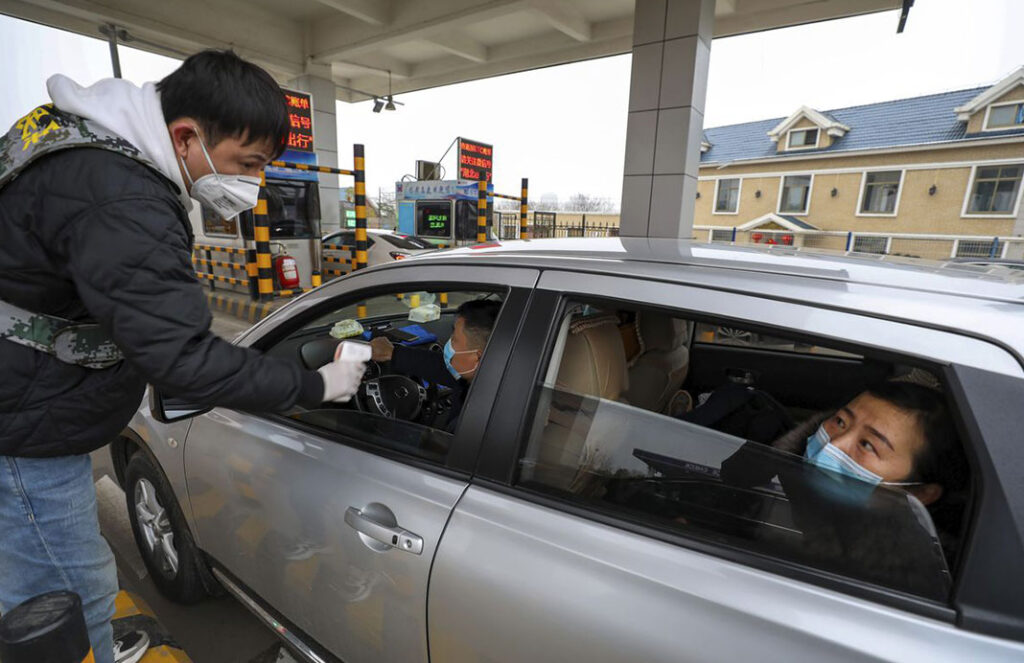
The Chinese government has officially sealed off Wuhan, its epicenter for the novel coronavirus outbreak, on January 23, effectively shutting down all transportation and halting industrial operations in the city. This decisive move comes as the death toll rises globally and infection numbers swell, forcing major international automakers to suspend production at their key facilities. The lockdown targets the heart of China’s automotive industry, known locally as the “motor city,” which houses massive manufacturing plants for global giants including Renault, Honda, and Peugeot owner PSA Group.
While the authorities frame these restrictions as a necessary public health measure to contain a deadly virus that has already claimed dozens of lives, the economic fallout is immediate and severe. The decision comes at a precarious time for the sector, which was already reeling from a significant drop in car sales throughout 2019. Analysts warn that the travel bans and factory closures will exacerbate an existing recession within the automobile industry, threatening jobs for thousands of workers and disrupting supply chains across the globe.
Renault Faces Stock Decline Amidst Production Freeze
Renault has confirmed that its operations in Wuhan are under a complete standstill. The French manufacturer’s website indicates that its local factory employs approximately 2,000 people and possesses an annual production capacity of 300,000 vehicles. Despite successfully selling more than 170,000 units within China last year, the news of the lockdown has sent shockwaves through investor confidence.
Reflecting the immediate market reaction to the crisis, Renault’s stock closed down by 5 percent earlier this week. The company stated that it is fully cooperating with Chinese authorities to ensure the safety of its workforce and the wider community. However, the suspension of production means that a significant portion of the factory’s output will be lost for the foreseeable future.
With the virus spreading rapidly, the uncertainty surrounding when operations might resume adds another layer of financial risk for the French automaker. The situation highlights the vulnerability of global supply chains to sudden geopolitical and health-related disruptions in major manufacturing hubs.
Honda and PSA Group Hit by Economic Shockwaves
The impact of the Wuhan lockdown extends beyond Renault to other major players in the region. Honda, which operates a significant joint venture in the city, has not yet issued a formal statement regarding its specific operational status. Reports suggest that this local operation contributed roughly 11 percent to the Japanese conglomerate’s total income for 2019.
The loss of revenue from this single location could have cascading effects on Honda’s global financial performance, particularly given the company’s heavy reliance on the Chinese market. Meanwhile, PSA Group, which manages two distinct brands in China including Peugeot and Citroën, has already recorded a steep decline in sales over the past year. In fact, the group reported a 55 percent drop in its sales figures within the world’s second-largest economy during 2019.
The current lockdown is a compounding blow to an industry that is already struggling with reduced consumer demand and economic headwinds. These manufacturers have expressed their commitment to respecting the recommendations issued by Chinese authorities, prioritizing public health over immediate production goals.
Expansion of Quarantine Zones Increases Regional Disruption
The scope of the crisis has expanded beyond Wuhan as Beijing extends its quarantine measures to neighboring cities. Authorities have now placed Huanggang and Ezhou under similar restrictions, bringing the total number of people controlled by these emergency measures to over 17 million. This broadening of the lockdown zone effectively shuts down a vast swath of central China’s industrial capacity.
The Lunar New Year holiday, traditionally a time for factory shutdowns, coincides with these health mandates, pushing some plants until February 4. For automakers accustomed to tight production schedules, this extended closure presents a logistical nightmare. The combination of the virus outbreak and the traditional holiday season creates a perfect storm for inventory shortages and delayed deliveries.
As the virus continues to mutate and spread, the Chinese government maintains that these strict measures are essential to prevent a catastrophic outbreak that could destabilize not only China but the entire global economy.
Global Supply Chains Face Long-Term Uncertainty
The shutdown of Wuhan raises serious questions about the resilience of the global automotive supply chain. Many components manufactured in China are shipped worldwide, meaning that delays in one region can ripple through production lines in Europe, North America, and elsewhere. The Chinese government has emphasized that its actions are taken to protect the lives of its citizens and to prevent the virus from becoming a pandemic.
However, the economic costs of such drastic measures are immense. While the health risks posed by the novel coronavirus cannot be ignored, the timing of these restrictions coincides with a period of already weakened sales figures for 2019. Reports note that the automotive sector is particularly sensitive to disruptions in labor supply and logistics networks.
As the situation evolves, companies will need to adapt quickly to new regulations and potential changes in trade policies. The coming months will be critical in determining how long these restrictions last and what lasting impact they will have on international business relations and manufacturing strategies.




