
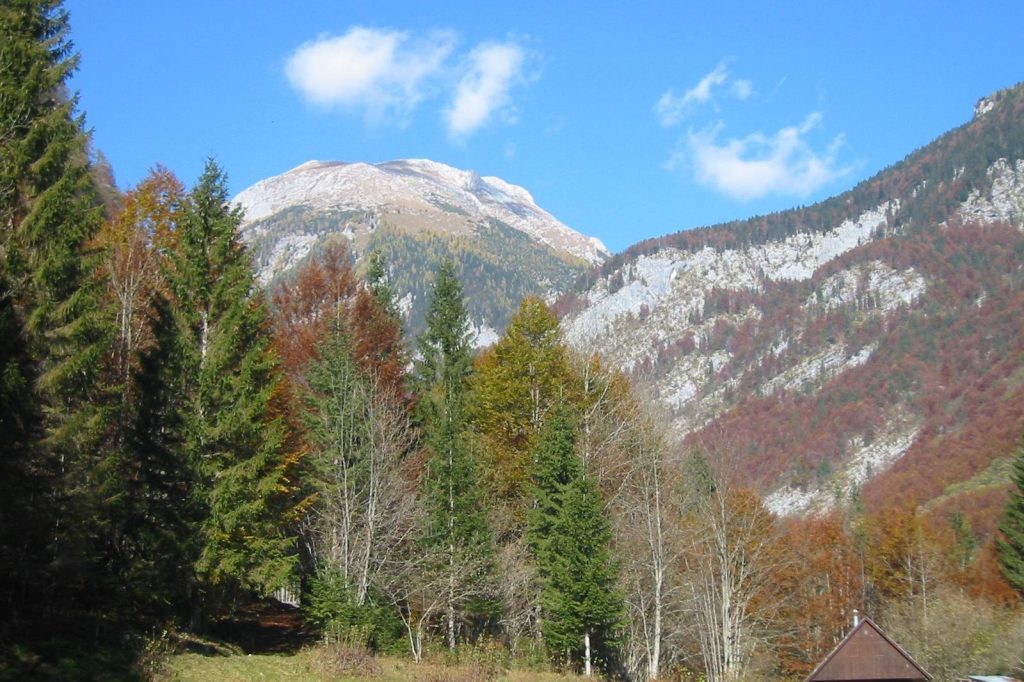
On October 5, a sudden snow slide struck the slopes of Tosc Mountain in north‑western Slovenia, killing three Croatian mountaineers. The trio had been ascending in the Julian Alps, a range celebrated for its stark beauty and notorious for rapid weather changes. Tosc Mountain, a well‑known destination for hikers and climbers throughout Europe, has now become the focus of a cross‑border tragedy.
The victims were not tourists but citizens of Croatia, a nation whose people have long maintained close social and economic ties with Slovenia. Their deaths resonate deeply within the Croatian community, which shares a history of migration and cooperation with its neighbour.
Slovenian officials have opened an investigation into the incident, examining whether the avalanche was an unavoidable natural occurrence or if warning signs were missed. The region’s rugged terrain and unpredictable climate are longstanding realities for locals and visitors alike, yet the inquiry will assess how thoroughly these factors were considered on the day of the slide. Cooperation between the two governments is expected to be intensive. Slovenian authorities will coordinate with Croatian counterparts to provide support to the bereaved families and to extract lessons that may improve mountain safety in the future.
This partnership is more than procedural; it reflects the intertwined lives of many Croats living and working in Slovenia and vice‑versa. The tragedy underscores the inherent risks of the Julian Alps, where the climbing season is short and conditions can shift dramatically.
An avalanche of this magnitude can curtail the safe climbing window for the entire region, prompting cancellations of planned expeditions and prompting other alpinists to reassess their routes. Beyond the human loss, the incident raises broader questions about risk management in popular alpine areas. While the natural environment is often praised for its aesthetic and ecological value, the event highlights the need for vigilant safety measures on trails that attract adventure seekers.
Authorities may review trail conditions and warning systems to prevent similar outcomes. Local economies that depend on mountain tourism—guides, lodges, rescue services—are likely to feel the ripple effects of reduced activity, although these concerns remain secondary to the immediate grief of the families.
The Croatian public, known for its strong sense of national identity, is mourning the three lives lost, and the community will seek answers about whether additional precautions could have averted the disaster. As the investigation proceeds, the answers it yields will influence how Tosc Mountain and the wider Julian Alps are approached by climbers in the years ahead. For now, the focus remains on honoring the three Croatian mountaineers and supporting the families left behind.




