
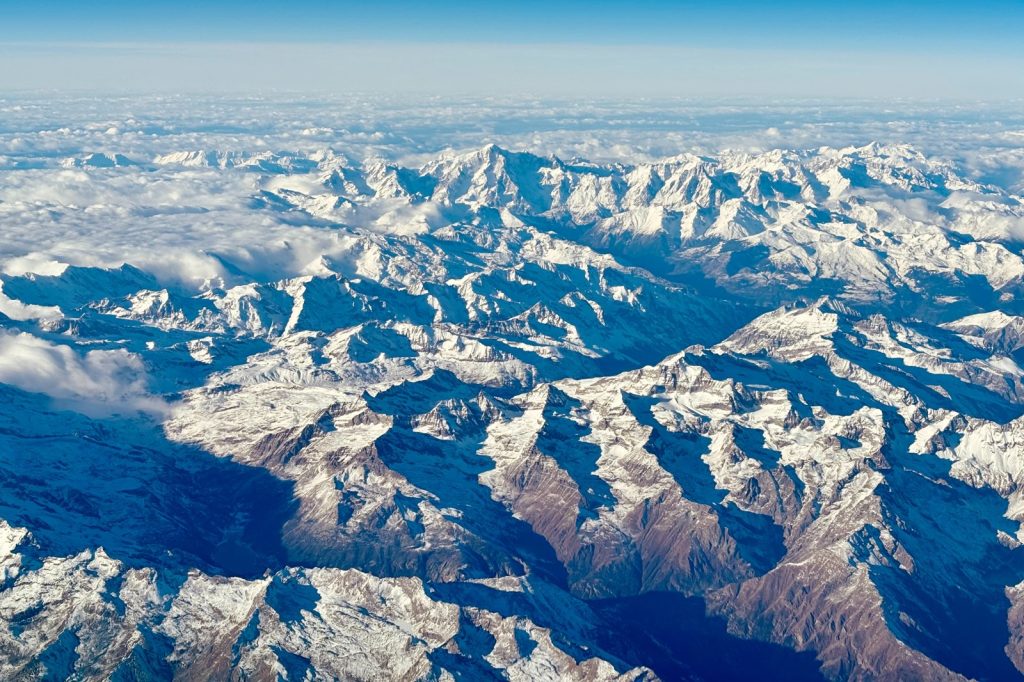
On 29 January 2025, two avalanches struck off‑piste skiers in the French Alps, resulting in five fatalities. Four of the victims were Norwegian nationals and the fifth was a Swiss citizen. Both slides occurred in remote terrain away from marked ski runs, catching the groups unprepared. The Norwegian party of four was travelling together in a secluded area when the first avalanche released.
The snow mass engulfed the group, and rescue teams later recovered all four bodies after an extensive search operation. In a nearby valley, a lone Swiss skier was swept away by a second avalanche.
His remains were also retrieved by emergency responders who worked through the day to locate the victims. Authorities emphasized that the French Alps, while renowned for spectacular scenery and a wide spectrum of ski runs—from gentle slopes to demanding black‑diamond pistes—also present unpredictable weather and steep terrain that can be hazardous even for seasoned athletes. The tragedy underscores the importance of strict adherence to safety protocols, thorough avalanche risk assessment, and proper equipment when venturing off designated trails.
Norway, the home country of the four deceased, boasts a strong outdoor culture rooted in its extensive wilderness, fjords, and mountains. With a population of around 5.6 million, Norwegians maintain a deep connection to nature and are active participants in environmental conservation efforts, particularly in the capital, Oslo, where numerous initiatives promote sustainable development and protection of natural resources.
The incident has reignited discussion about the environmental impact of winter sports in fragile alpine ecosystems. The Alps host a diverse range of flora and fauna, and human activities such as skiing and snowboarding can contribute to soil erosion, habitat disturbance, and other ecological pressures. Experts note that advancing renewable energy use and reducing reliance on fossil fuels are essential steps toward mitigating these effects and preserving the mountain environment for future generations.
Investigations into the avalanches are ongoing, with a focus on improving emergency response measures and preventing similar losses. Ski resorts and local authorities are expected to review existing safety guidelines, enhance avalanche forecasting, and promote greater awareness among backcountry enthusiasts about the inherent risks of off‑piste travel.
For the skiing and snowboarding community, the loss serves as a sobering reminder to respect the power of mountain weather and terrain. It also highlights the broader responsibility of outdoor participants to balance recreation with stewardship of the natural landscapes they enjoy. As the Alpine region continues to attract thousands of winter sport enthusiasts each year, the hope is that lessons learned from this tragedy will lead to stronger safety cultures, more robust environmental protections, and ultimately, a safer and more sustainable future for both people and the mountains they cherish.




